‘Attribution decay’ complicates the picture of AI-generated images, scientists find
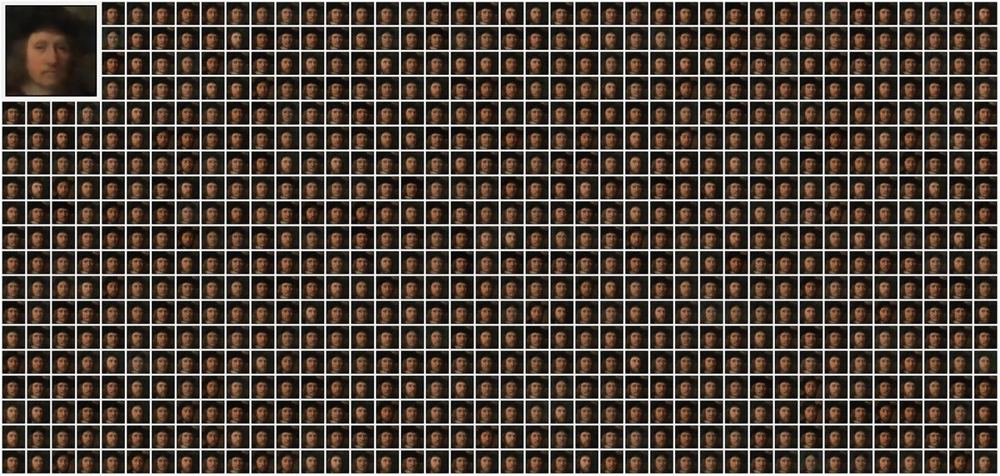
A new study by two MIT researchers puts forward a framework for addressing just how difficult it may be to definitively connect an AI-generated image to any specific source material
Press any key to continue is a monthly column about the ways technology is reshaping contemporary art, from non-fungible tokens and artificial intelligence to attention economies and new systems of distribution. Its author, Sarp Kerem Yavuz, is a visual artist, researcher and the artistic director of the Contemporary Istanbul Foundation.
The researchers “developed a method for taking away one piece of the training sets and then regenerating the image as though that piece of training data didn’t exist”, Dai says. “And if you find that [the output] doesn’t change much, then you can’t attribute it to that piece of data, because it didn’t have any influence on the final output.” He adds that in the context of image generation, "when you train on large data sets, there is no piece of data that you can take out that significantly alters the image, and that [leads] to this idea of unattributability”.
“If you view [the] training off of people’s data as [infringement],” Dai says, “it is sort of ironic, the more infringement you do, the less infringing the output is.”
A loophole in this clumsy metaphor is that the systems at work are capable of choosing precisely which grains of sand to use if prompted to do so. More importantly, there is a big difference between holding an AI user accountable for the outputs their prompts generate, and holding the AI company accountable for how they trained their model.
It seems unlikely that a global artists’ movement will lobby to collectively opt out of all AI training, but even if we did, AI models would still be able to draw from works that are in the public domain or derivative works, and a plethora of additional types of material we may not have even considered. Dai and Gifford’s findings do not exonerate the training process itself; even if an AI company were to argue for unattributability in a particular output, it could still be held liable for how its algorithms were trained.