Volkswagen says it has built the most efficient electric car ever tested
Volkswagen’s Mission Efficiency concept set three certified records, including a 0.158 drag coefficient and a 1,278 km run from Wolfsburg to Vienna on one charging stop. European rules count every battery car as zero at the tailpipe, and the proposed incentive for small electric cars excludes anything longer than 4.2 metres. Volkswagen says it has […] This story continues at The Next Web
Volkswagen’s Mission Efficiency concept set three certified records, including a 0.158 drag coefficient and a 1,278 km run from Wolfsburg to Vienna on one charging stop. European rules count every battery car as zero at the tailpipe, and the proposed incentive for small electric cars excludes anything longer than 4.2 metres.
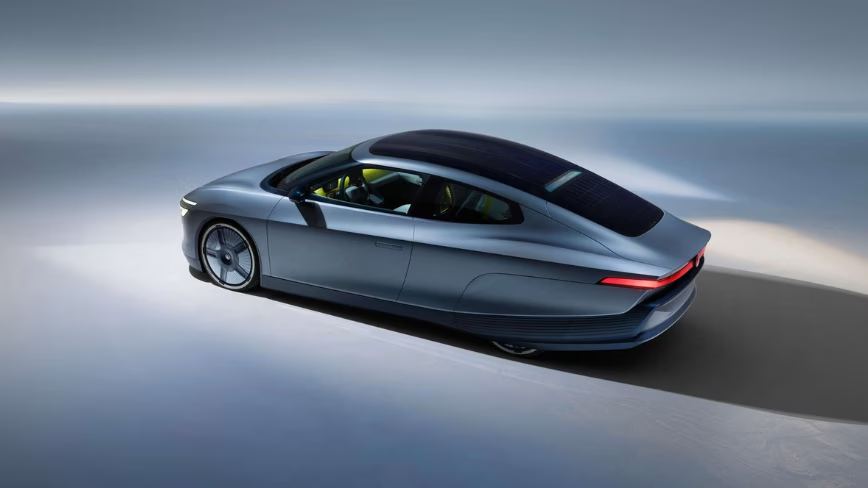
Volkswagen says it has built the most aerodynamic road-legal car ever made, with a drag coefficient of 0.158, and drove it 1,278 km from Wolfsburg to Vienna with one charging stop .
The Mission Efficiency used 7.51 kWh per 100 km on that run, charging losses included, and 6.48 in an ideal run at a constant 68 kph with the climate control off. Germany’s Record Institute certified three records.
For scale, the XL1 of the early 2010s managed 0.186 and the Lightyear 0 came in under 0.19, InsideEVs noted .
The hardware underneath is ordinary. It is the MEB+ platform from the ID. Polo, a 54.9 kWh battery and a 99 kW front motor, with about 2.9 kWh more usable energy released in software than the production car allows.
The work is all in the shape. A frontal area of 2.08 square metres, a rear axle narrowed by 170 mm, covered rear wheels, a sealed underside and three cooling flaps that open in five configurations. The tyres roll about a quarter better than the EU’s top efficiency class requires.
Under the CO2 standards a battery car counts as zero at the tailpipe, so 6.5 kWh per 100 km and 25 are the same number on a compliance return. The Commission’s December proposal did add an incentive for small electric cars, counting each one as 1.3 vehicles from 2030.
To qualify for that category, a car has to be fully electric, assembled in the European Union and no longer than 4.2 metres.
The length is not an oversight. Reaching 0.158 meant a long tapering tail, and the proposed rule rewards the opposite.
The ID. Polo qualifies comfortably, at 4,053 mm, built in Pamplona and starting near EUR 25,000. Volkswagen has already shown it can build a $17,175 car , just not in Europe.
So the most efficient car the company has ever built falls outside the category Brussels designed to get small electric cars onto European roads.
The efficiency lands somewhere, just not in the compliance file. European drivers already pay about a third less to run an electric car than a petrol one.