12 Best National Parks for Stunning Fall Colors, and When They Peak
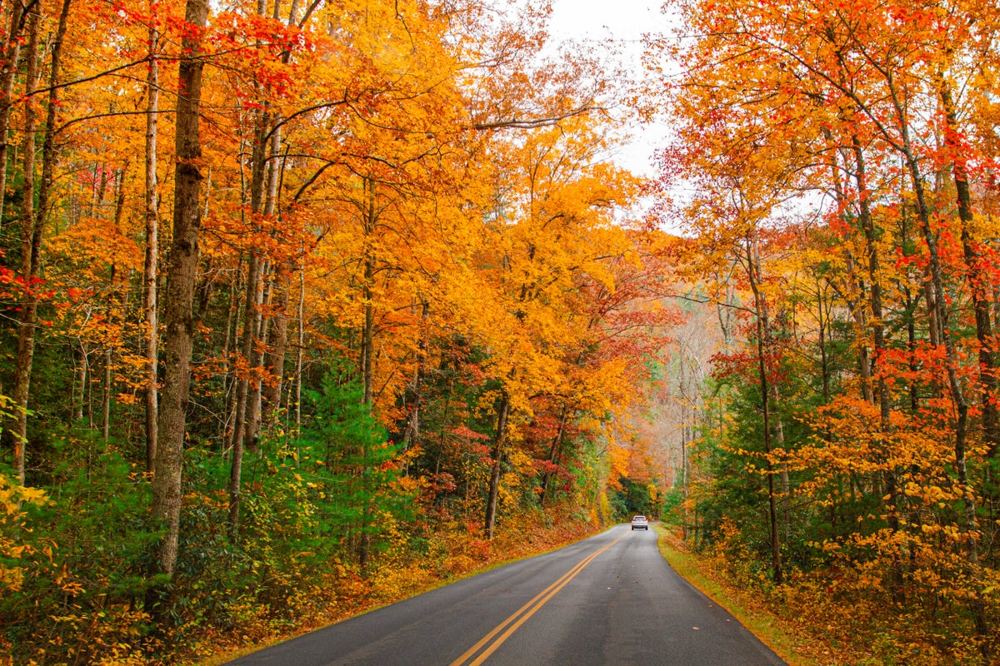
Mark your calendars, pick your favorite park, and get ready to leaf peep. The post 12 Best National Parks for Stunning Fall Colors—and When They Peak appeared first on Outside Online .
With days getting shorter and fall fast approaching, the most colorful time of year is about to pop off in a blaze of red, orange and gold. Autumn is one of the most spectacular seasons to visit national parks from coast to coast, but catching peak foliage requires careful timing. Where you go determines when you should go: Fall can arrive in Alaska as early as August, sweep across the Rockies and Pacific Northwest in September and linger along the Colorado River and in Yosemite Valley well into November.
Elevation matters as much as latitude. In mountainous parks, color typically begins in alpine and subalpine environments before moving downhill into valleys. Mark your calendars, pick your favorite park and get ready to leaf peep. The dates below represent typical windows for seeing 12 popular national parks’ fall colors in all their radiant glory. Drought, heat, frost, wind and storms can all shift the season, so check current park conditions before leaving home.
Fall colors arrive early at Denali’s high latitude. At higher elevations, low-growing shrubs paint the tundra red, orange and gold by early to mid-August. The display moves down the mountainsides, reaching the valleys by early September. By the second week of September, winter weather, including snow and freezing tempts, is already possible.
Rocky Mountain’s fall display starts above the treeline, where alpine tundra turns red, rust and purple. The park’s famous golden aspens follow at lower elevations, typically peaking briefly from the third week of September into early October, although elevation, slope and weather can cause individual groves to change at different times. See our complete guide to fall in Rocky Mountain National Park to discover the best spots to see the colors before they’re gone.
Because Grand Teton and Yellowstone are neighbors, their fall color seasons can easily be combined into one trip. In Grand Teton, aspens, cottonwoods and black hawthorns generally begin changing in mid-September, creating bands of gold and fiery red across the valley beneath the Teton Range. Fall in Yellowstone follows a similar timeline, with maximum color most likely from late September through the first week of October. Look for the brilliant yellow displays of cottonwoods, aspens and willows around Yellowstone Lake and Lamar Valley. Much of Yellowstone sits above 6,000 feet, so its season can end abruptly with frost or snow.
Mount Rainier’s autumn palette comes largely from subalpine shrubs. Huckleberries, vine maples and Sitka mountain ash turn scarlet, orange and gold beneath the park’s dark conifers. Color can begin in September around Paradise Meadows, Sunrise Pass and Tipsoo Lake, with the last week of September through mid-October offering the most reliable window. Higher meadows usually turn first, while lower forests hold color later. Snow can arrive early and seasonal roads begin closing in fall, so check conditions before heading out.
Fall colors appear in waves across Olympic’s subalpine ridges and temperate rainforests. Red huckleberry and blueberry shrubs can peak at higher elevations from late September into mid-October. At lower elevations, bigleaf maples, cottonwoods and willows often hold their gold and amber leaves into late October. Our complete guide to fall colors in Olympic National Park has all the details for finding the most stunning foliage on the peninsula.
Fall color at Acadia generally peaks around mid-October, when red and orange maples, yellow birches and coppery oaks brighten Mount Desert Island. Because the park has less elevation variation than the Rockies or Sierra Nevada, the display tends to be concentrated into a shorter window. Still, weather can move the peak earlier or strip leaves quickly. The National Park Service recommends consulting Maine’s regularly updated foliage reports when planning an October trip. Check out our guide for everything you need to know to plan a leaf-peeping trip.
With 95% of the park covered in deciduous forest, Shenandoah delivers color that stretches more than 100 miles. Chestnut and red oaks dominate its ridges and upper slopes, while maples, birches and other hardwoods cover the middle elevations and yellow poplars brighten lower slopes and streams. Color generally moves downhill throughout October, with the most widespread display popping off the second and third weeks. Follow the park’s fall color updates before visiting.
Cuyahoga Valley’s diverse hardwood forests usually peak during the third week of October. Its comparatively modest changes in elevation make the timing more consistent, although drought and unusually warm weather can still shift the season. Red and orange maples steal the spotlight, joined by yellow tulip trees and russet oaks. Different species change at different times, so visitors can generally find worthwhile color throughout much of October. Explore our Cuyahoga Valley fall color guide for the best trails to experience the full show.
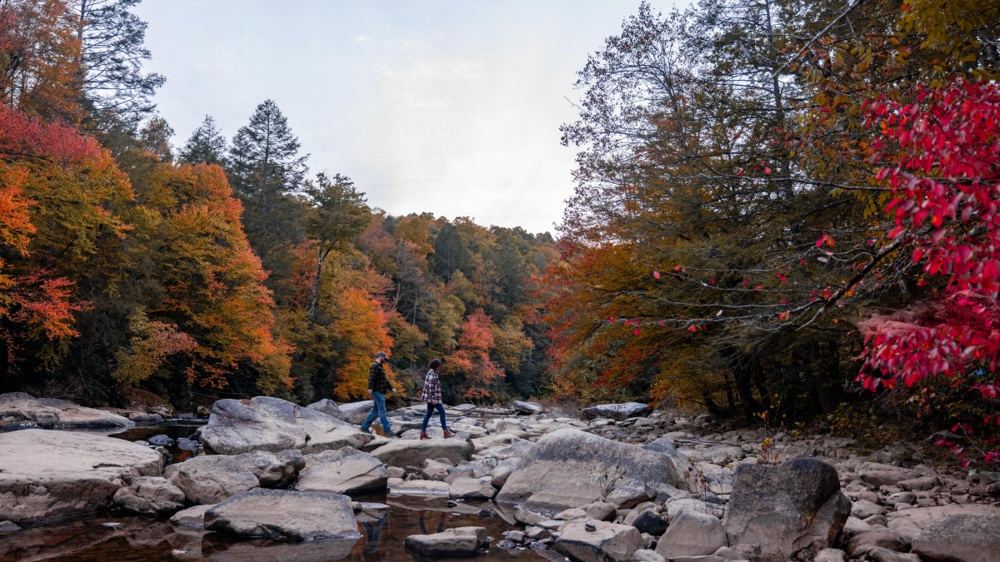
The Smokies have one of the country’s longest fall foliage seasons because elevations range from approximately 875 to 6,643 feet. Color begins high up as early as mid-September and typically develops above 4,000 feet in early to mid-October. From there, the display moves downhill, with mid and lower elevations showing their brightest color between mid-October and early November. Read our full guide to fall colors in Great Smoky Mountains National Park for all the best hikes, viewpoints and drives to take it all in.
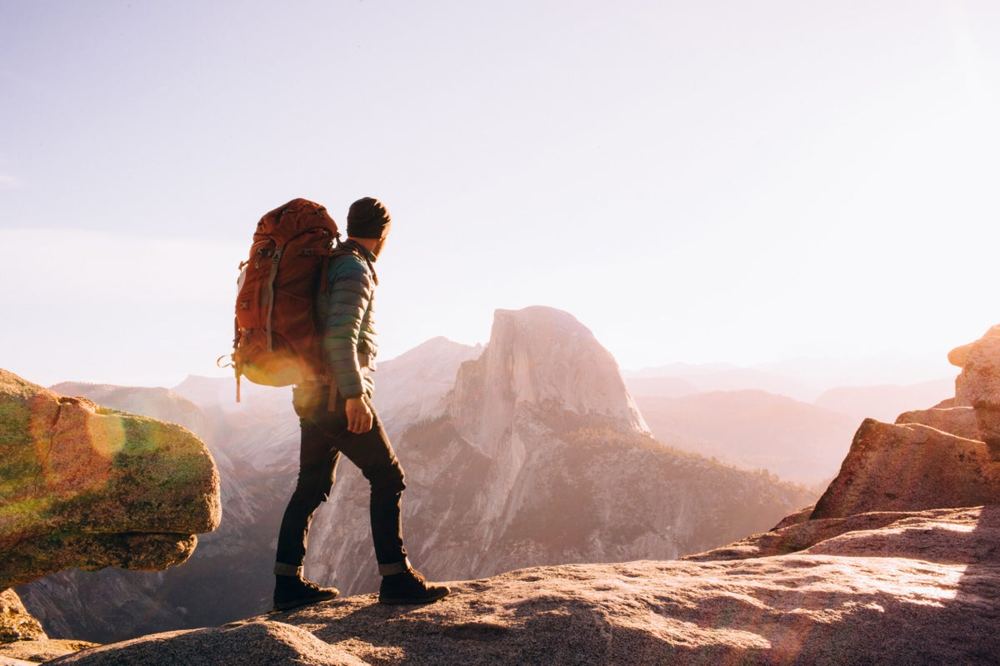
Yosemite’s elevation range produces several distinct fall foliage seasons. In the high country, shrubs and small aspen stands around Tuolumne Meadows can turn from late September through mid-October. Tioga and Glacier Point roads, at roughly 6,000 to 9,900 feet, usually offer their best color in early to mid-October. Around 4,000 feet, Yosemite Valley and Wawona don’t typically peak until late October or early November, with leaves sometimes lingering into mid-November. Use our guide to fall colors in Yosemite to plan your trip around the park’s varied elevation.
Fall at Grand Canyon unfolds from the rims to the Colorado River nearly a mile below. Aspens and Gambel oaks near the rims begin changing first, generally in late September and October. Far below, Fremont cottonwoods along the Colorado River, at Phantom Ranch and around Havasupai Gardens turn brilliant yellow later, often from late October into November. Seeing the display in the canyon requires a strenuous hike, an overnight trip, it isn’t visible from most rim overlooks. Check Grand Canyon hiking conditions before descending below the rim.
Exactly When the Leaves Will Change This Year, According to the Farmers’ Almanac
Where to Stay in Moab This Fall, From Dirtbag Cheap (and Free) to Desert Luxury
Inside Big Sky’s First Food and Wine Festival Coming to Montana This Fall