Anthropic is operating a lab that conducts biology experiments

AI leaders have been promising that AI is the key to curing human disease. Anthropic researchers have also been warning that AI might kill us all.
Anthropic has confirmed that it has a wet biology lab where it can use its AI models to run physical experiments.
AI leaders have been promising that AI is the key to curing human disease. Dario Amodei opined just last week: “I believe that AI could cure most major diseases in the next 5-10 years.” To do that, an LLM would have to have methods to test its theories in real life.
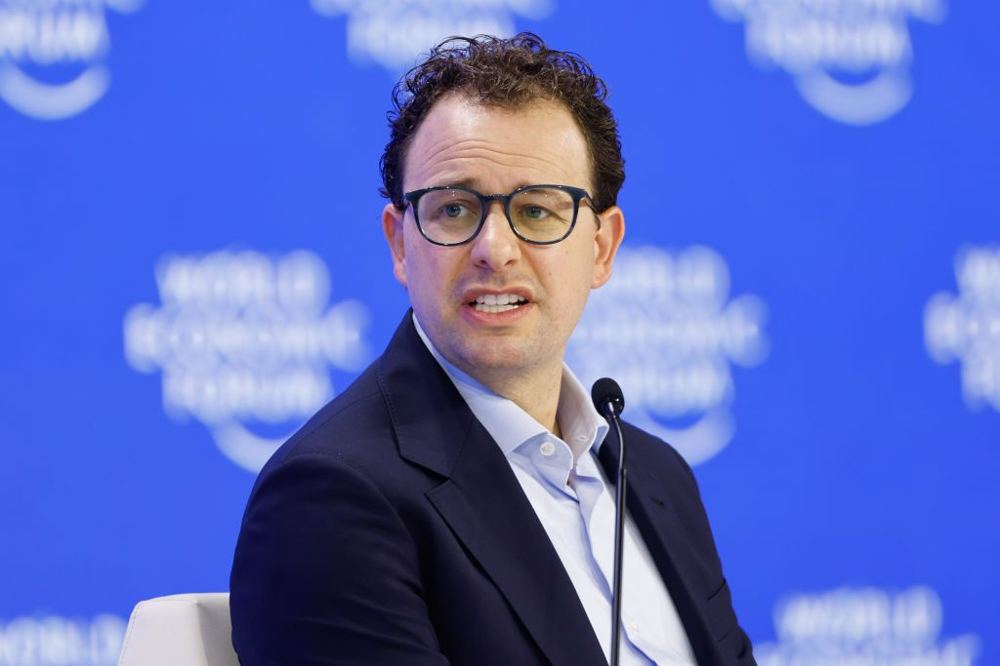
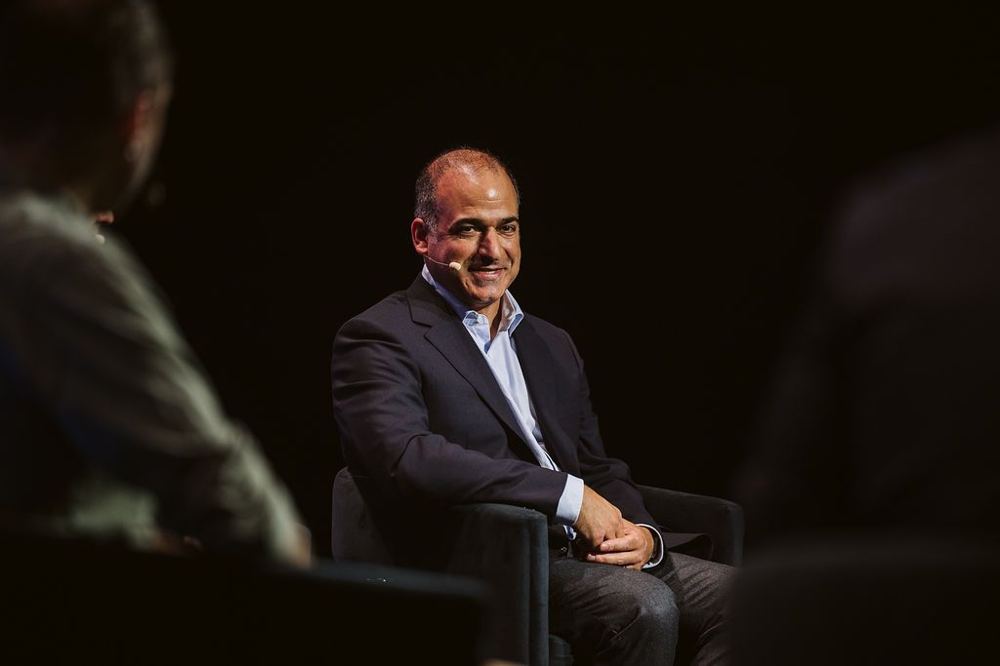
“We believe that to do biology, the final test is still, and will be for a while, in real lab work,” Anthropic’s head of life sciences, Eric Kauderer-Abrams told Reuters . “We absolutely are doing that today.” He added that the lab operates like most biotech labs: Anthropic conducts some research there while also working with externals partners.
This news probably shouldn’t be shocking. Anthropic bought Coefficient Bio, a stealth AI biotech , in April. It declined to say what the wet lab is working on, except that it’s not focused on drug discovery. Anthropic doesn’t want to give the appearance of competing with the pharma industry, where it has numerous major customers and partners. (For instance, it just announced a deal to work with Novo Nordisk on joint drug discovery.) Anthropic has already faced backlash for launching products perceived to compete with those of its customers.
To that end, Anthropic also launched a Life Sciences Verification Program this week, to give vetted bio researchers access to its most powerful models.
But the world is still reeling from the resignation of Anthropic researcher Jacob Coxon, who warned that “the people building AI earnestly believe that it could kill us all by the end of the decade .” Anthropic’s own alignment lead gave the odds at greater than 10% that AI could exterminate humanity within the next decade.
The fervor has grown so intense that CEO Dario Amodei published a post last weekend calling on the industry to slow down and institute self-regulation. He has repeatedly called bioterrorism one of AI’s biggest risks.
The juxtaposition of these dire warnings and the wet lab has not gone unnoticed in the tech industry. As investor and AI coding startup founder Chamath Palihapitiya posted on X , somewhat tongue-in-cheek: “The group behind such hits as: “We’re All Going To Die” and “Regulate Me Now” are building a wet lab in SF. I do not recommend this.”
When you purchase through links in our articles, we may earn a small commission . This doesn’t affect our editorial independence.
Last day to book an exhibit table is September 18. Don’t miss out on high-impact leads, investor access, and a brand spotlight in Disrupt’s Expo Hall.
OpenAI caught its models leaving notes to successors to hide bad behavior
Microsoft exec called AI scraping ‘the largest theft of labor in human history,’ new unredacted filings reveal
Clean tech startup Fluxnium found a way to tap 50,000 years’ worth of nuclear fuel
Jensen Huang took a call from Trump, and showed off something else, too
The 9 buzziest startups from Y Combinator’s latest Demo Day, according to VCs
Tesla says it will finally unveil the second-generation Roadster on October 1
Revolut confirms customer data breach through fake government requests