Perfect posture? MoMA exhibition explores perspectives on body politics in public spaces
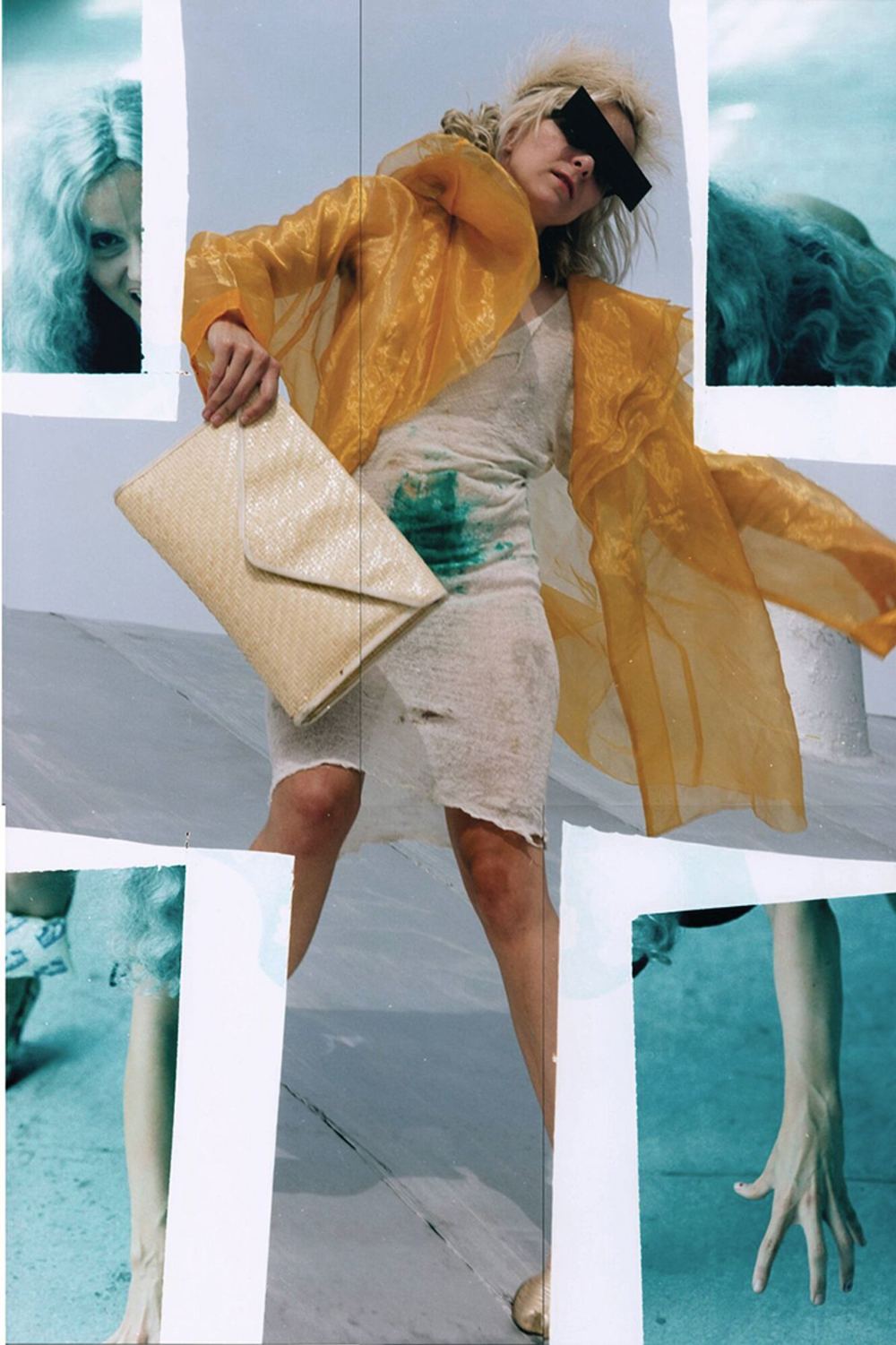
Seven contemporary artists respond to Marianne Wex’s groundbreaking 1970s feminist work on body language in the New York show
Wex’s piece was acquired by New York’s Museum of Modern Art (MoMA) in 2018 and is the starting point for Taking Back Our Space: Photographic Perspectives . The show aims to create a dialogue between Wex’s project and the work of contemporary artists who use photography to analyse the relationship between space, bodies and intersectional feminist perspectives.
For Roxana Marcoci, the acting chief curator of photography at MoMA, Wex’s project can be read not only as a landmark in feminist art but also as a framework for rethinking the politics of the body and space. “I was interested in the new conversations it could generate,” she says. “If Wex exposed the social production of gender through the choreography of the body in public space, the contemporary artists gathered here expand that inquiry through intersectional perspectives attentive to race, colonialism, Indigenous sovereignty, sexuality and self-representation.”
The seven artists in the exhibition are: Nona Faustine, who uses her body to highlight locations marked by histories of enslavement and racial violence; Martine Gutierrez, who merges the roles of artist, editor, model and creative director to challenge who has the authority to construct identity; Joiri Minaya, whose work dismantles the visual languages that have long exoticised and commodified women and the Caribbean; Yuki Kihara, whose photographs featuring Indigenous Samoan fa’afafine models shift the narrative from a colonial gaze to self-representation; Wendy Red Star, who transforms archives into spaces for living Indigenous memory rather than colonial classification; and K8 Hardy and Paulina Olowska, whose works investigate how gender and identity are continually performed and rewritten through the body and gesture.
Questions of public space and gender fluidity remain dominant in political debates; the issues Wex’s project identified 50 years ago are not a thing of the past but have altered, taking on new complexities. “In this sense, the scope of the exhibition is not simply reaffirming Wex’s historical importance,” Marcoci says. “It asks what her project makes possible today and establishes a critical framework that artists continue to test, complicate and extend.”
- Taking Back Our Space: Photographic Perspectives , Museum of Modern Art, New York, 20 September-2 May 2027