What JK Rowling’s Voldemort can teach us about Ukraine war
Since the start of the Russian full-scale invasion of Ukraine in February 2022, as the West decided to support Ukraine in its defensive efforts, Moscow has been sounding exactly like Lord Voldemort: “Give me Ukraine. It cannot win."
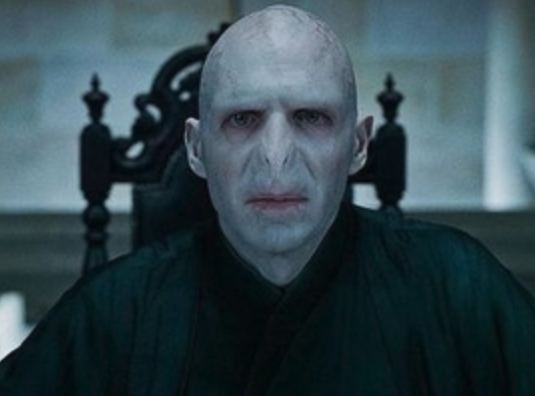
In one of the episodes of the concluding novel of JK Rowling’s fantasy saga about the young wizard Harry Potter, the Hogwarts School was preparing for a siege. Hogwarts was shielding the saga’s main protagonist from his nemesis, the evil Lord Voldemort, for whom the destruction of Potter was an existential matter: within the saga’s mythology, only one would live, either Harry Potter or Voldemort.
And as Hogwarts was gearing up for the fight, Voldemort addressed the school: “I know that you are preparing to fight. Your efforts are futile. I do not want to kill you. I have great respect for the teachers of Hogwarts. Give me Harry Potter, and they shall not be harmed. Give me Harry Potter, and I shall leave the school untouched”.
Since the start of the Russian full-scale invasion of Ukraine in February 2022, as the West decided to support Ukraine in its defensive efforts, Moscow has been sounding exactly like Lord Voldemort: “Give me Ukraine. It cannot win. Russia never lost wars. You are only prolonging the suffering”.
Today, Moscow’s “Voldemortian” voice is becoming ever louder.
Not in the sense of Russian politicians sputtering curses and threats at European nations, although a range of Moscow’s high-profile commentators, nourished by the attention of Russian hate-stoking media, are doing exactly that.
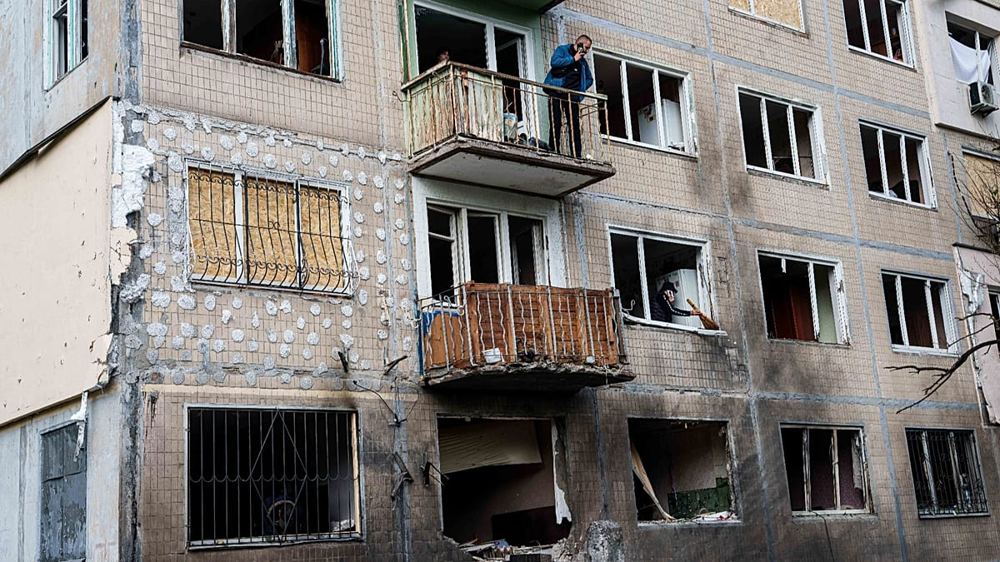
Rather in the sense of the escalating kinetic attacks on EU territory, through arson, sabotage and other forms of Russian aggression that Brussels newspeak calls “hybrid threats”, in an attempt to conceal the seriousness of Moscow’s actions behind the language of false ambiguity.
Today’s sabotage attacks are nothing truly new to European nations.
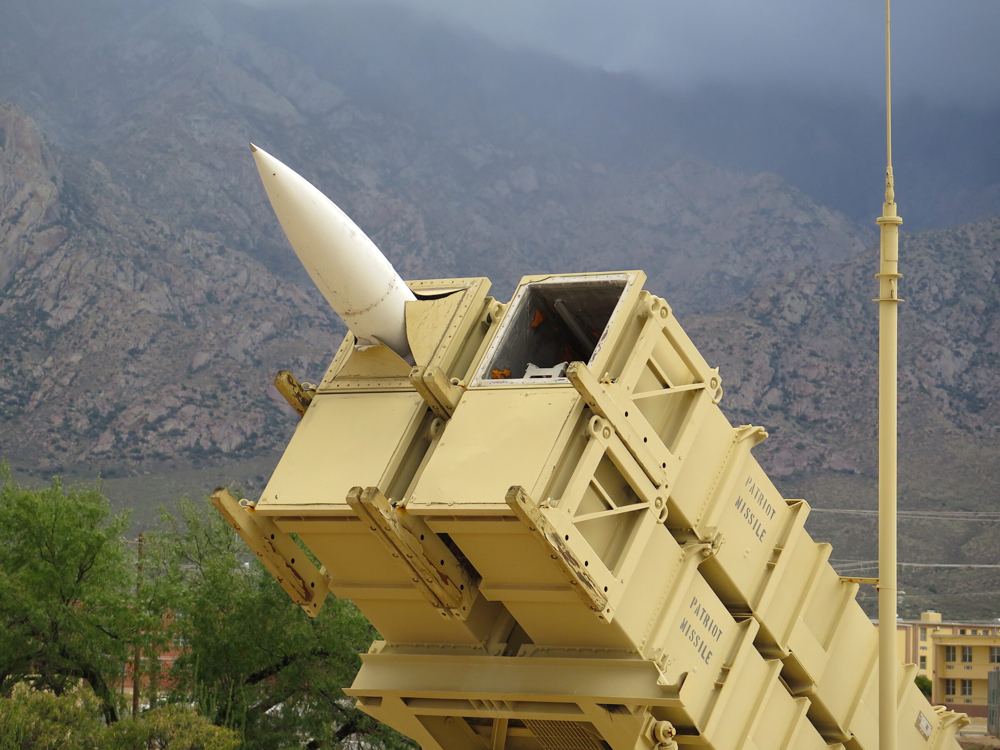
In 2014, operatives of the GRU’s Unit 29155 (Russia’s military intelligence) set off two explosions at ammunition warehouses in Vrbětice, the Czech Republic, to disrupt weapons supplies to Ukraine.
In 2015, blasts hit Bulgarian munitions depots holding arms bound for Ukraine, and operatives from the same unit tried to assassinate the Bulgarian arms manufacturer Emilian Gebrev.
Since February 2022, with Gebrev’s EMCO facilities in eastern Bulgaria again targeted in 2022-2023, Russia-linked sabotage of Europe’s munitions supply has escalated and changed in method.
The campaign broadened in 2024 into proxy arson, carried out by recruited local criminals and disposable agents against defence plants and logistics hubs.
That year it also moved westwards: as Germany learned through US intelligence, Moscow plotted to kill the chief executive of German arms manufacturer Rheinmetall, Armin Papperger.
In 2025 the focus shifted from depots and plants to munitions transit. Most notably, that November, Poland recorded two likely linked incidents on the Warsaw-Lublin railway, a route carrying aid to Ukraine.
Anton Shekhovtsov is director of the Centre for Democratic Integrity in Vienna, visiting professor at the Central European University, and author of three books: New Radical Rightwing Parties in European Democracies (2011), Russia and the Western Far-Right: Tango Noir (2017), and Russian Political Warfare (2023).