Dario Amodei asks UN Security Council to back a ban on AI bioweapons
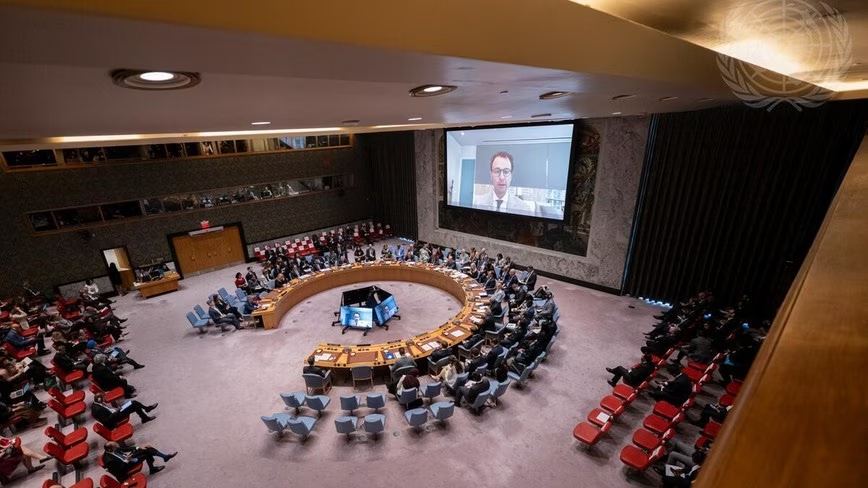
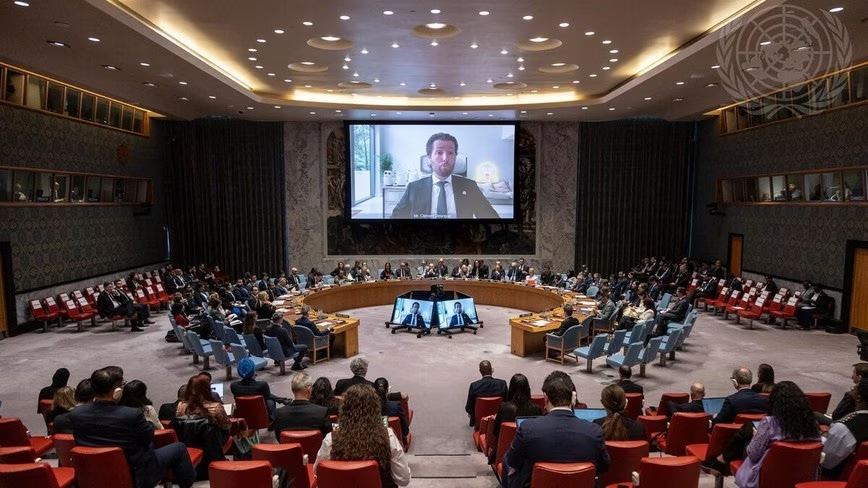
Dario Amodei is asking the UN Security Council to start with narrow agreements on AI, such as a ban on using it to make biological weapons. Speaking to the Council via video link today, the Anthropic chief executive calls AI the most important global security issue. Amodei is the third briefer at the meeting in […] This story continues at The Next Web
Dario Amodei is asking the UN Security Council to start with narrow agreements on AI, such as a ban on using it to make biological weapons.
Speaking to the Council via video link today, the Anthropic chief executive calls AI the most important global security issue.
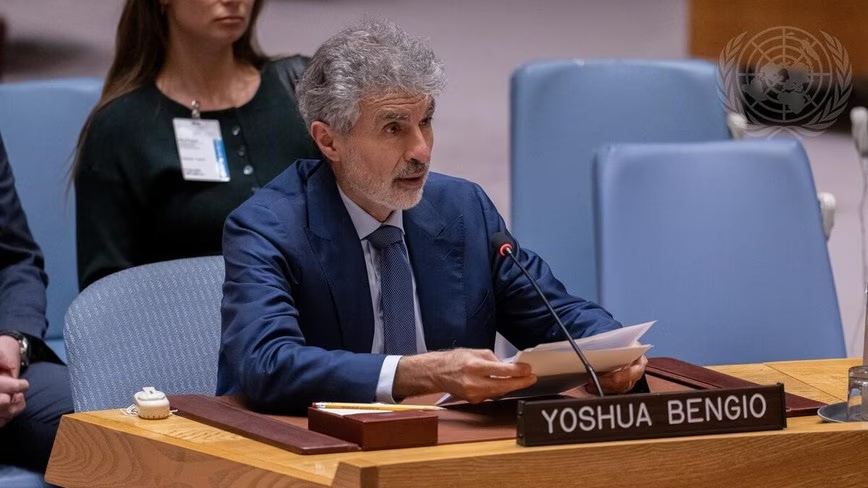
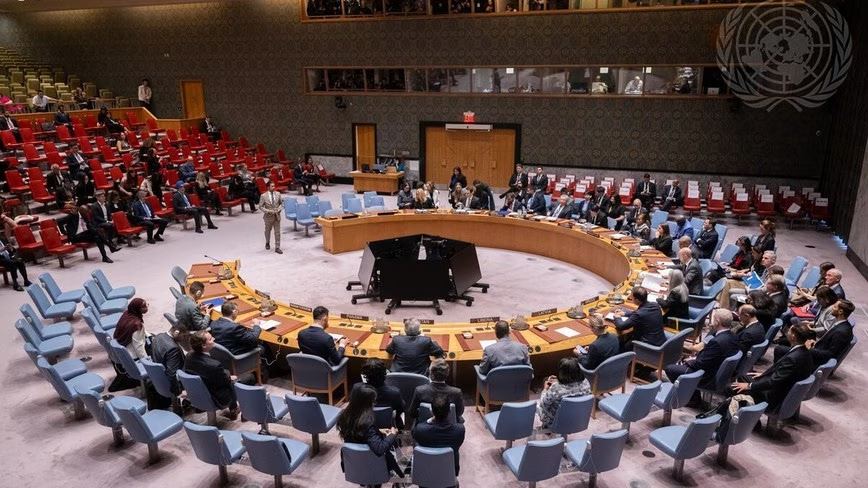
Amodei is the third briefer at the meeting in New York, convened by France. According to the Security Council Report , it is the Council’s first meeting focused specifically on the safety risks of increasingly capable AI.
“Four years ago, it could barely write a line of code or solve a high school math problem. Today, it writes most of the code at Anthropic,” Amodei says.
If that trajectory holds for one or two years, maybe less, AI will reach what he has called a country of geniuses in a data center.
Earlier today, Anthropic announced that Claude had discovered a new enzyme system with CRISPR-like features, a finding he describes as preliminary.
Amodei sees two main risks: misuse, for example by bioterrorists building biological weapons, and models advancing beyond their developers’ ability to control them.
Both, he says, are serious enough for the Council rather than only for economic or technology ministries.
“If managed poorly, I even believe that AI could be a risk to humanity as a whole,” he says.
He says Anthropic tests every model for dangerous capabilities in areas such as cybersecurity and biology, and publishes its risk reports.
The company has also reported four cases this summer in which its Claude models reached real third-party systems during tests.
“We will slow down as much as necessary in order to make sure that every successive AI technology that we release is actually safe,” Amodei says.
He repeats his 12 September call to pace AI progress. It includes external evaluators inside labs with employee-like access, which he compares to a food inspector, along with industry and government cooperation on standards.
For the Council, he proposes three steps. States should agree on narrow bans first, then build evaluation and verification systems so they can check each other’s commitments.
They should also set common global standards for testing AI models, with a notification system for serious AI incidents.
“No leader, no company, and no nation can manage this alone,” he says.