Art and copyright: How I learned to stop worrying and tolerate AI
Visual artists may have less to fear from AI than other creatives, but licensing agreements do point the way ahead
A monthly look at recent developments in art law, written by Alexander Herman, the director of the Institute of Art and Law
I am surprised and somewhat embarrassed that after more than a year of writing columns for the Art Law Corner, I have yet to broach the topic of artificial intelligence (AI). I feel unequal to the task, seeing how every second news article and dinner conversation these days seems to revolve around the topic. Could there possibly be anything new to add?
Everyone these days seems to use AI, whether to create a shopping list, build a website or command a drone. But how would we feel if the roles were reversed, if we were no longer the consumers but the raw material for the end product? This is undoubtedly why artists have objected to their work being scraped without their consent by AI models. And they have resorted to intellectual property law in their claims against the AI companies.
A more acute AI affront is felt by photographers, writers, musicians and designers. It is easy to prompt your favourite AI platform to write a screenplay, compose a pop song, design a logo or illustrate a news article, replacing the need for original work and putting creatives out of business. This can be devastating.
Could the more traditional visual arts, painting, drawing, sculpture, installation art, ever be replaced in this way? Anyone asking AI to create a painting to decorate their living room probably wouldn’t be much of a collector in the first place. And what could replace ambitious showstoppers by the likes of Anselm Kiefer or Kara Walker at galleries and museums? Probably not an algorithm.
The latest development has seen publishers and licensing bodies begin to court the AI behemoths. I have experienced this firsthand when the publisher of one of my books asked that it be included in large licensing negotiations with AI platforms. I hummed and hawed for weeks before finally agreeing. It is easy to squeeze the juice from a new invention, but when our own fruit is being harvested, we feel rather differently!
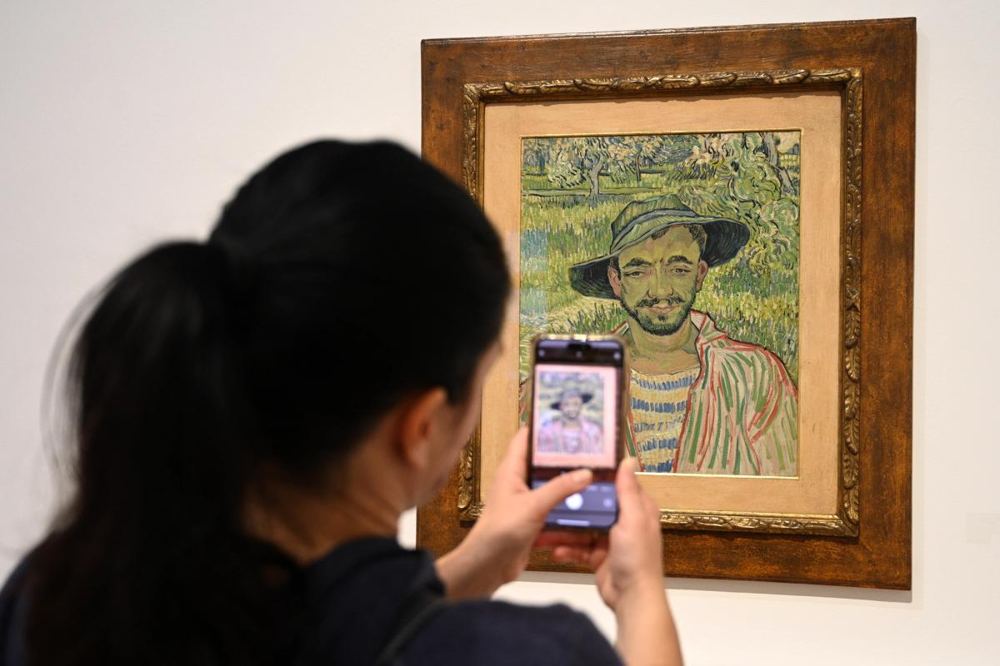
Does the next generation of artists need to fear the AI monster? Another moment of profound technological advancement may be instructive. In the 1860s, as photography became prevalent, it by no means signalled the end of artistic flourishing. On the contrary, despite technological change, or perhaps because of it, art was able to develop in new and hitherto unimaginable ways, with the Impressionists, Pointillists, Vincent van Gogh, Cubists and others, into the 20th century.
Could times ahead be comparable? Despite the revolutionary and unsettling technology now in our pockets, we can only hope that artists going forward will offer fresh ideas and new ways of interpreting our complicated world back to us, with or without AI. And perhaps we will see more licensing deals for good measure.
- Alexander Herman is the director of the Institute of Art and Law