LIV CEO Slip-Up Exposes Saudi Funding Reality
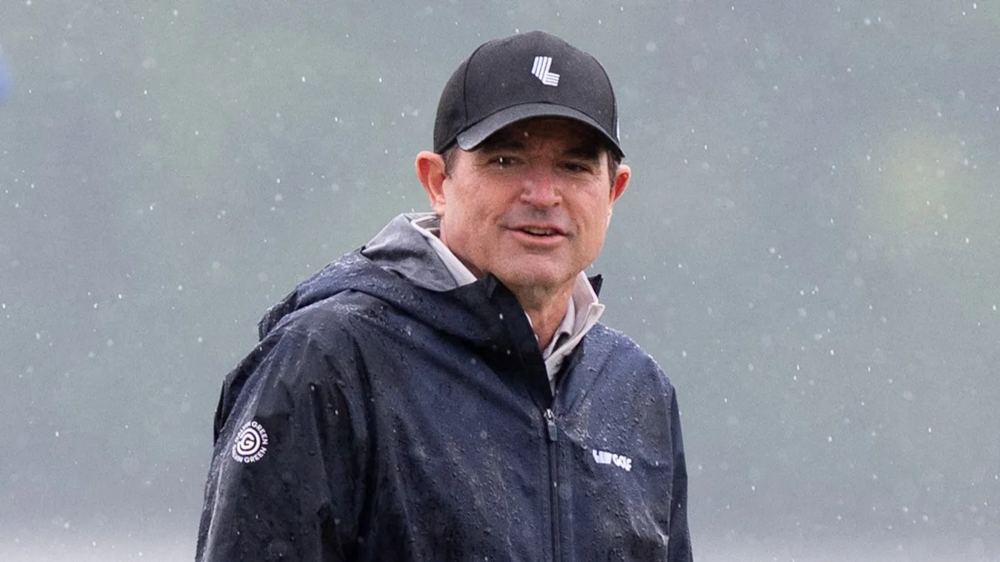
LIV Golf CEO Scott O'Neil admits the tour relied on Saudi money, not growth, as players flee and Rory McIlroy calls the strategy a waste of capital.
The veneer of a “grow the game” mission has finally cracked for LIV Golf. According to Yahoo Sports , LIV Golf CEO Scott O’Neil appeared to undermine the tour’s long-standing public narrative during a recent appearance at a Sportico Conference in London.
The comments suggest the breakaway league was never about expanding the sport’s reach but was instead a financial operation funded by the Saudi Public Investment Fund. This admission comes as the tour faces a crumbling structure, with players departing in significant numbers and the organization struggling to secure its future without that external cash injection.
The situation has become precarious for the league. Yahoo Sports reports that LIV looks to be on its last legs, facing a reality where it is effectively bankrupt without continued Saudi funding. A recent declaration by the DP World Tour that LIV players cannot join membership has forced golfers to pick sides, delivering a severe blow. As the financial support wanes, the story about building a sustainable business model has fallen silent.
During his speech, O’Neil seemed to drop the guard the tour has kept for years. He stated, “Saudi-type business plan to, as I like to say, a business business plan.” This phrasing suggests a direct link to the state-backed capital that launched the league in 2022. Analyst Trey Wingo interpreted these words as the end of the “grow the game” narrative. Speaking on Trey Wingo Golf, Wingo noted that the legacy of LIV will be one where “generational players got more money and businesses, and independent contractors got shafted.”
The financial strategy of the league has drawn sharp criticism from within the game’s traditional ranks. Rory McIlroy, a six-time major champion and PGA Tour leader, has consistently argued that the league’s approach was flawed. In an interview clip that recently circulated, McIlroy attacked the manner in which LIV managed its enormous resources. Reporters were told by him that LIV possessed perhaps half a good idea, yet the execution was pretty poor.
McIlroy pointed out that while the league had significant capital, much of it was not used effectively to benefit professional golf as a whole. He further stated that while they held a lot of capital, he believes some of that capital was wasted in various ways. The criticism focuses on the decision to spend massive sums recruiting established stars like Jon Rahm and Brooks Koepka rather than collaborating with governing bodies or funding the broader sport.
As the league attempts to rebuild after a Chapter 11 bankruptcy filing in September, the human cost of these financial decisions is becoming clear. Many players are leaving the tour, and the environment for those returning to the PGA Tour or DP World Tour is shifting. Patrick Reed, who quit LIV at the turn of the year, expressed relief at being back in the traditional fold.
Before the DP World India Championship in Delhi, Reed said to reporters, “I feel welcomed out here.” He emphasized that he has always supported the tour, regardless of where he played. “I feel like ever since I got on the PGA Tour and played out there and once I got my European card and DP World Tour status, I’ve come over and always supported this tour,” Reed said. His comments highlight the divide between the financial allure of the breakaway league and the competitive structure players actually want.
The data supports the idea that the league’s model was unsustainable without the specific backing of the Saudi Public Investment Fund. According to Yahoo Sports, the strategy initiated in 2022 depended on providing huge contracts to lure major players away from the PGA Tour. This approach allowed the league to acquire bona fide stars, but it did not create a self-sustaining business.
With the money stopping, the “obscene amounts” that drove the initial exodus are no longer available. The result is a league in Chapter 11 and a player base in flux. The comments from O’Neil and the analysis from Wingo confirm that the primary driver was always capital, not the competitive product or the growth of the sport.
The path forward for golfers who left the PGA Tour is becoming increasingly difficult.