Microsoft offers around 60,000 employees voluntary buyouts
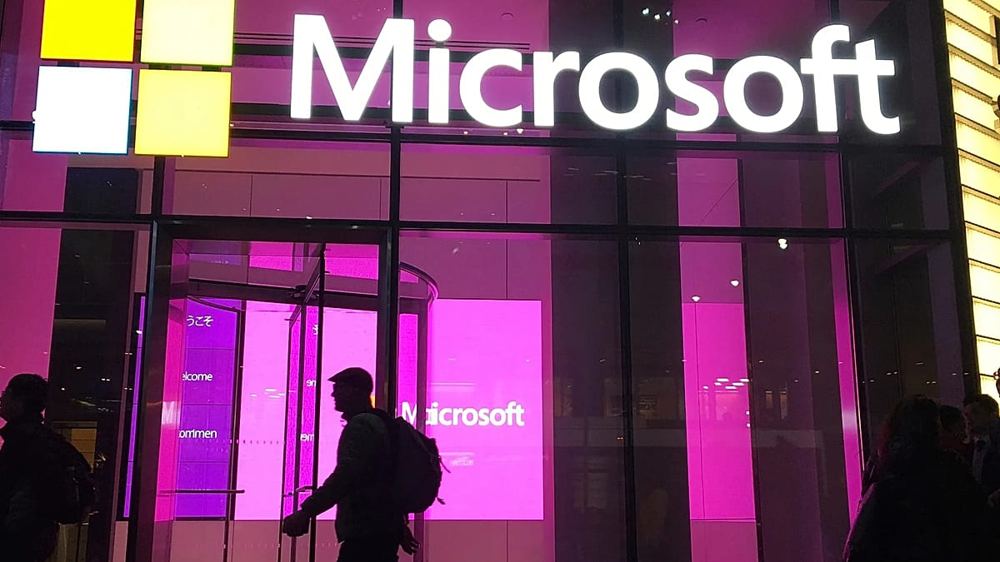
The offer will be made available to employees on select teams across the US, Canada, India and the United Kingdom "at level 70 and below," meaning some senior staff could be included. Around 60,000 employees are reported to be eligible.
US tech giant Microsoft is offering voluntary buyouts to employees around the globe, its chief people officer announced on Monday.
In a memo sent to staff, Amy Coleman called the "Voluntary Exit Offer" an "important part of how we’re evolving our approach to change: creating greater flexibility and, where possible, more ways for employees to shape their next chapter."
The offer will be made available to employees on select teams across the US, Canada, India and the United Kingdom "at level 70 and below," meaning some senior staff could be included.
"This is a time-limited, voluntary program that gives those who are eligible the opportunity to leave Microsoft with financial support and career planning resources," the memo continued.
It added that eligible employees would receive an email with a link to their offers in the coming hours.
In July, Microsoft announced it was eliminating around 4,800 roles, or roughly 2.1% of its global workforce at the time, as the company sought to shift its focus and cut costs as the AI era continues to take hold. Those cuts mostly affected the firm's commercial and Xbox gaming divisions.
Microsoft also offered some staff the option to retire early this year.
The company has said that more than 30% of those eligible for the early retirement scheme chose to participate and that it would "continue exploring similar approaches in the future."