The secret to looking and feeling younger? The SARDINIAN method - and it includes red wine, lots of carbs... and taking care of your grandchildren
Sardinia is the world's first and most famous Blue Zone and new research has found that, in one particular village, 13.8 per cent of women who reach the age of 70 will live to 100.
We’ve all heard of the Mediterranean diet: plenty of fish, extra virgin olive oil, wholegrains and plants, with a sparing amount of meat and dairy. Decades of research has shown it can prevent a host of diseases including heart disease, cancer and dementia, helping people live longer in good health.
Now, however, the spotlight is on one specific region of the Med. Sardinia is the world’s first and most famous Blue Zone (the five regions with the highest concentration of centenarians which also include Okinawa in Japan and Ikaria in Greece ) and new research has found that, in one particular village, women who reach the age of 70 have a 13.8 per cent chance of living to 100, making it second in the world for female longevity after Hong Kong . In the UK, the number is around 2-3 per cent.
That remarkable village is Bolotana, a small mountain community in central Sardinia with a population of around 2,200. The findings, published in Frontiers in Aging could lead to the village being named the sixth official Blue Zone, the second in Sardinia.
What is it about this island that leads to longer, healthier lives?
Milvia Pili is a functional nutritional therapist from Sardinia now living in London . She believes the main reason Sardinian women live so long is because they feel valued.
‘The secret is that they never stop,’ says Ms Pili, who is also the founder of Blue Zones Nutrition . ‘At 90 years old, they're still running their house, or the house of their children. They look after their grandchildren. They're constantly knitting, crocheting or embroidering lovely things for new babies or for the house. I think, as women get older in the UK, we don't have that sense of value as much.’
At 67 years old (though she looks much younger), Ms Pili is the embodiment of that Sardinian sense of purpose. Despite working full-time and running a business, she cooks from scratch, forages, exercises daily and makes sure to check in regularly on friends and family.
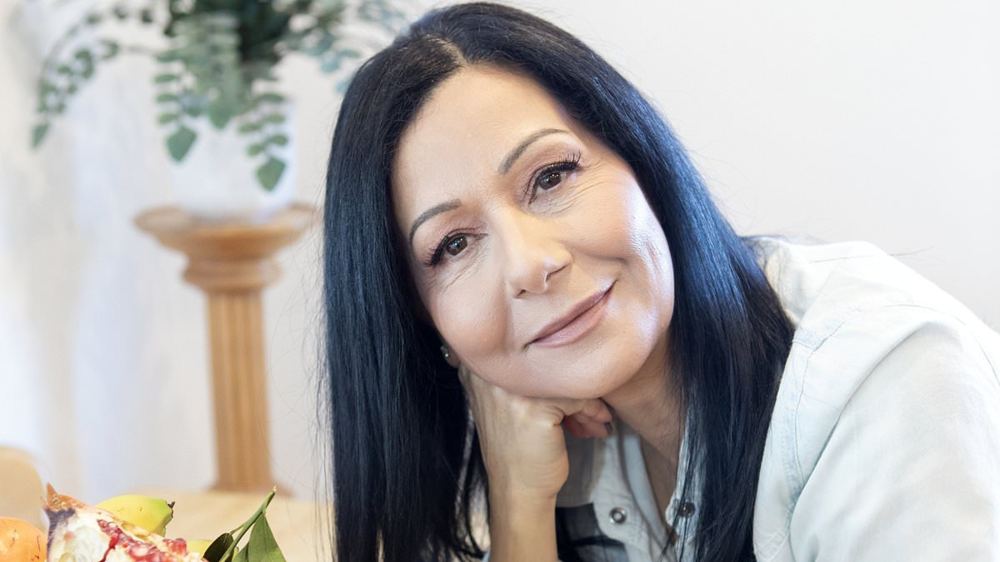
Milvia Pili, 67, is a functional nutritional therapist and says she is ‘very proud' to be from Sardinia
‘I'm very proud being from Sardinia. I try to live with what I learned when I was a child,’ she tells me.
But how do you translate the traditional Sardinian habits to modern life? Ms Pili shares her daily habits to live longer.
In Sardinia, you won’t find strawberries in the depths of winter as produce is usually homegrown and eaten according to the season.
‘Now, for example, we would be picking pomegranates,’ says Ms Pili. ‘And then we would have the lemons, oranges, tangerines for the winter, and then in spring we would have cherries (my favourites) and peaches and plums, as well as broad beans.’
While most people in the UK won’t be picking up their groceries from their gardens, buying organic, locally grown food is a good place to start.
‘I get an organic vegetable box delivered every Wednesday morning,’ Ms Pili says. ‘If you can’t afford a vegetable box on your own, share it with your neighbours. I often split the cost of a large box, especially at Christmas.’
Not only does seasonal food taste better, it’s also higher in nutrients and helps you consume a wide variety of different plants which is crucial for gut health.
See which foods are in season now and experiment with them, Ms Pili says. ‘For example, at the moment I'm adding a tablespoon of pumpkin seeds and sunflower seeds to my salad. And if I'm walking into a shop and I see something that I'm not familiar with, I'll buy it. Herbs, spices, nuts, they all count toward good gut health.’
The Sardinian diet is around 90 per cent plant-based, Ms Pili says, emphasising fruits, vegetables, legumes and wholegrains, and yes, this includes bread and pasta.
Pane carasau , for example, is a traditional flat bread made from durum wheat that’s a staple in Sardinian cuisine. Unlike the refined white loaves in the UK which are often high in salt, sugar and ultra-processed additives, this bread contains minimal ingredients and has a low glycaemic index, meaning it doesn’t raise your blood sugar levels too quickly which can lead to insulin resistance and diabetes.
Meanwhile pasta, such as ravioli and culurgiones (a dumpling-like pasta stuffed with pecorino or ricotta cheese, potato and mint) form the base of many Sardinian meals.
Sardinia is also home to a broad variety of fruit and vegetables, such as tomatoes, asparagus, plums and prickly pears, all of which contain a wide range of nutrients that boost heart, gut and brain health. In particular, Ms Pili highlights the carciofo spinoso sardo , a spiky artichoke that’s high in cynarine (which helps the liver remove toxins) and inulin (a prebiotic fibre that boosts good bacteria in the gut).
Many Sardinians don’t go to the gym. With the region’s mountainous terrain, there simply isn’t any need to.
‘Walking up and down hills, baking your bread, and tending to gardens keeps their cardiovascular health, joint mobility, and bone density intact naturally,’ Ms Pili explains.
In the relatively flat terrain of London, Ms Pili incorporates as much exercise as she can during the day. ‘I walk everywhere,’ she says. ‘I don’t own a car on purpose. I used to run though now I like to walk in the park; we have some lovely parks near where I live. I carry my shopping bags. I also do some strength training, we all have to do a little bit for our bone health.’
The Sardinian diet is around 90 per cent plant-based, with Sardinia being home to a broad variety of fruits and vegetables
It’s good news for red wine lovers, Sardinians regularly enjoy a glass of their famous Cannonau wine, and it may be boosting their health.
‘Cannonau wine is a genuine longevity elixir,’ says Ms Pili. ‘That’s because the grapes grow thick skins to survive the intense Sardinian sun, so the wine contains two or three times the amount of artery-scrubbing flavonoids of any other wine.’
But unlike the UK which has a pervasive binge drinking culture, Sardinians don’t neck the bottle. ‘It is enjoyed moderately, poured during a meal, and nearly always is drunk with friends, relatives, and laughter,’ Ms Pili says. ‘So Sardinians would just drink one small or two small glasses a day. Personally, I don’t drink every day, but I do like a glass of Cannonau when I’m with friends and family.’
You won’t see Sardinians grabbing a Tesco meal deal or a cheeky Nando’s. Everything, from bread and pastries to soups and pasta, is made at home.
‘What woke me up in the morning [as a child] wasn't the alarm clock to go to school. It was the smell of my mum’s cooking,’ Pili recalls. ‘She was cooking before she went to work and we went to school, so when we came back, lunch was on the table.
‘I know that these are modern times, and people don't get up at the crack of dawn to do that. But on a weekend, I get my vegetables together and I spend a couple of hours chopping everything up and I put it in little bags in the freezer. My freezer is full of spinach, cavolo nero, peas, and so on. On Monday I like to make my minestrone so all I have to do is soak the beans and throw the vegetables in with the chopped tomatoes.’
Preparation is key, Ms Pili says. ‘Perhaps you can learn to make simple sourdough bread, which is not actually rocket science,’ she suggests. Then you can use various fresh ingredients for sandwiches throughout the week. A couple of hours on a Saturday or Sunday can make all the difference.
‘In Sardinia, loneliness is non-existent,’ Ms Pili says. ‘Neighbours treat each other like family, so we eat together in a relaxed environment which shifts the nervous system out of fight or flight and into rest and digest.’
People never eat on the run or at a desk and usually have lunch as their biggest meal. ‘Il pranzo, which means the lunch, is an unharried meal full of nutrient-dense foods, like minestrone, pasta, fresh vegetables, et cetera,’ Ms Pili explains. Having your main meal earlier in the day reduces stress on the gut and aligns with your body’s circadian rhythm, resulting in better digestion of nutrients and blood sugar regulation.
While in the UK older age tends to signal a slowing down, Sardinians continue to adopt that uniquely strong sense of purpose.
‘In Western culture, ageing is often feared,’ Ms Pili says. ‘Sardinian elders are the source of wisdom and the beating heart of the home. They have a powerful sense of purpose, which is a massive biological driver for longevity.
‘You don't see these people walking around with walking sticks. They’re 90 years old and they still go out on a bicycle. That’s the point of longevity, there is no point in living to 90, 100, and you are in a home and you're very sick.’