Record UK energy debt signals wider European cost squeeze
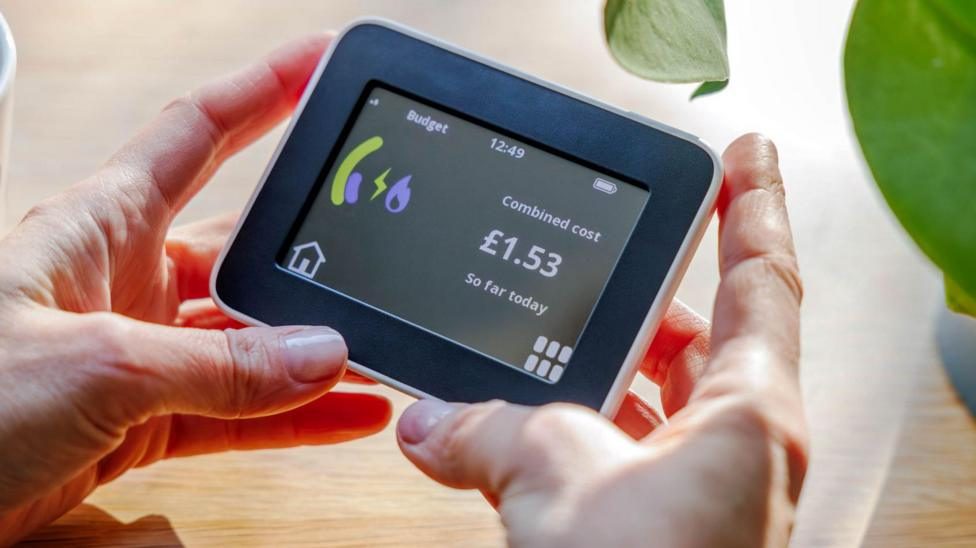
A record £4.79bn in unpaid energy bills across Britain highlights the lingering toll of volatile gas markets on European households ahead of another price increase in July.
Unpaid energy bills in Britain have reached a record £4.79bn, marking a 15% increase over the past year. Regulator Ofgem reported that this figure covers England, Wales, and Scotland for the first quarter, capturing customers who have been in arrears for more than three months.
For the broader European economy, this British debt spiral serves as a stark barometer of the ongoing energy shock. It demonstrates that even as broader inflation metrics cool, volatile international gas costs continue to erode household finances across the continent. Millions of households face another price increase in July, driven directly by rising gas expenses.
The financial strain is heavily concentrated among the most vulnerable consumers. Customers without a formal repayment plan owe an average of £1,876 for electricity and £1,623 for gas. These balances are more than double the debt levels of those who have actively negotiated agreements with their suppliers.
In response to market uncertainty, 22 million people, roughly 40% of billpayers, have secured fixed tariffs to guarantee their unit costs for the year. Current market options sit below the price cap, offering immediate savings. However, this strategy carries risks; if international events shift and prices fall sharply, those on fixed deals will not benefit.
The structural divide in payment methods also exposes consumers to unnecessary costs. Around seven million households still use standard credit accounts, paying their bills on a quarterly basis rather than through monthly direct debits. Ofgem notes that this traditional approach typically costs approximately £140 more each year.
For energy companies, this mounting arrears pile represents a growing credit risk that could pressure balance sheets if defaults accelerate. To manage this, suppliers may write off portions of debt, establish structured payment plans, or assist with the cost of essential appliances like fridges, but only if customers proactively communicate their difficulties.
Mitigating this economic drag ultimately requires a mix of behavioural changes and state intervention. Experts note that basic efficiency measures, such as blocking draughts, remain necessary even during summer heatwaves. Simultaneously, significant macroeconomic support is going untapped, as millions of pounds in benefits like pension credit and local council grants for efficiency improvements remain unclaimed.