Ukraine recovery conference opens in Gdańsk as EU confirms first tranche of €90bn loan
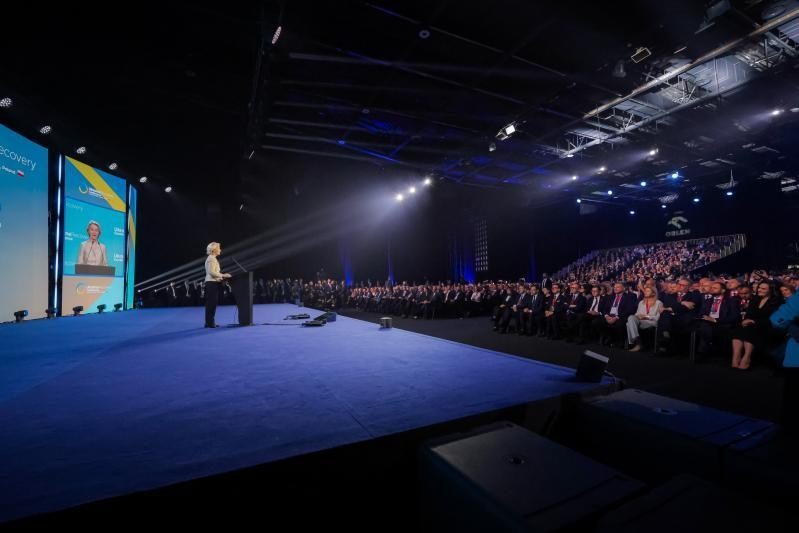
The Ukraine recovery conference opened in Poland without President Volodymyr Zelenskyy, highlighting diplomatic friction even as the European Commission confirmed the first tranche of a €90 billion loan to support Kyiv’s reconstruction and EU accession efforts.
The Ukraine recovery conference opened in Gdańsk on Thursday without Ukrainian President Volodymyr Zelenskyy, who opted not to attend the event. Instead, Ukrainian Prime Minister Yulia Svyrydenko led the delegation to the gathering of European diplomats and business executives.
The run-up to the convention was overshadowed by a diplomatic dispute between Kyiv and Warsaw. Polish President Karol Nawrocki, a domestic rival of Prime Minister Donald Tusk, revoked Zelenskyy’s Order of the White Eagle after the Ukrainian leader named a military unit “Heroes of the UPA”.
In response, Zelenskyy returned the award, and several current and former Ukrainian officials followed suit by handing back Polish state decorations. Despite this friction, Svyrydenko sought to ease tensions during her address.
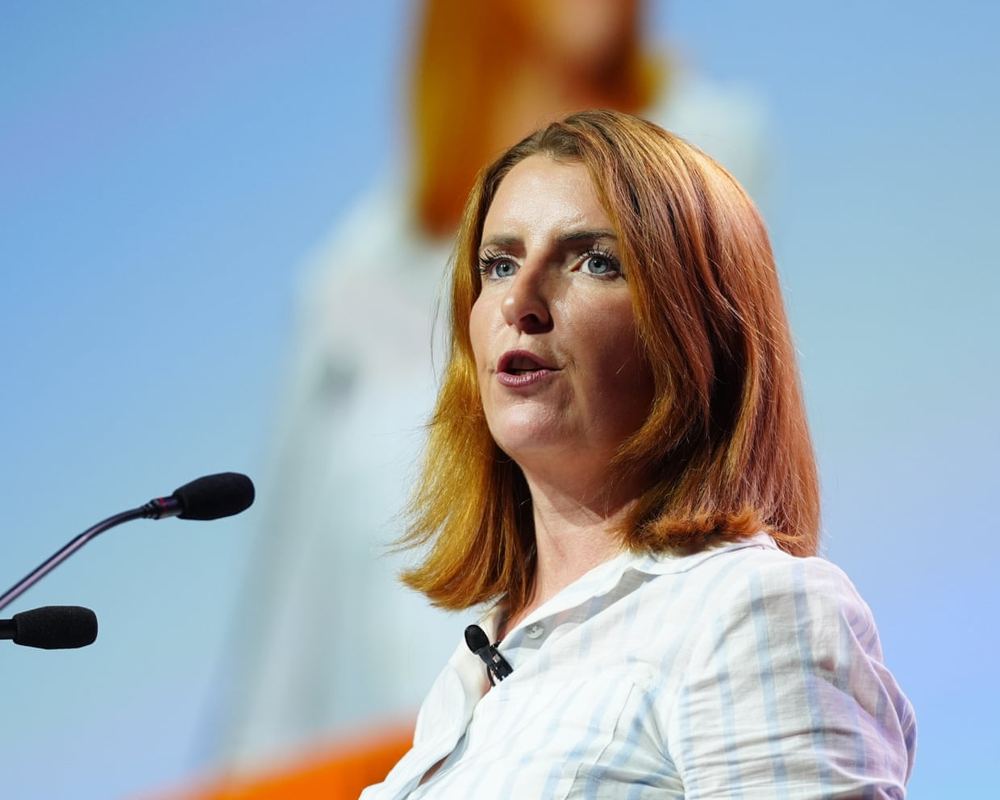
“Standing here, I want to say thank you to the people of Poland,” Svyrydenko said, drawing loud applause from the conference hall. Opening the event, Tusk avoided mentioning Zelenskyy’s absence and instead invoked the historic symbolism of Gdańsk, a city rebuilt from Second World War rubble that later birthed the Solidarity movement. “We can build the future only on truth, on mutual respect, on an understanding of history,” Tusk stated.
Financial backing and accession hurdles
For European markets and investors, the conference delivered concrete financial backing amid the geopolitical turmoil. European Commission President Ursula von der Leyen confirmed that the first tranche of the EU’s €90 billion Ukraine loan is bound for Kyiv.
This financial commitment follows last week’s opening of EU membership accession negotiations, though Ukraine’s European prospects have recently faced headwinds. Capitals including Budapest have signalled reluctance to advance the process too quickly.
Von der Leyen addressed these concerns by affirming that Ukraine’s accession would remain “merit-based”. She noted that the nation’s place in the European family was “becoming a reality”, provided domestic reforms continue.
The geopolitical dimension of the reconstruction effort also took centre stage among investors monitoring regional stability. European Council President António Costa, who recently faced criticism for opening a direct communications channel with the Kremlin, insisted that peace must be defined by Kyiv. “Only Ukrainians can talk on behalf of Ukraine,” Costa told the gathering.
Meanwhile, German Chancellor Friedrich Merz used the platform to outline a potential path forward for the conflict. “Today we are conveying a clear message to Russia,” Merz said. “The time has come to enter into negotiations to freeze the front line and to end the killing.”