UK Labour sets swift timetable that could install Burnham by July 17
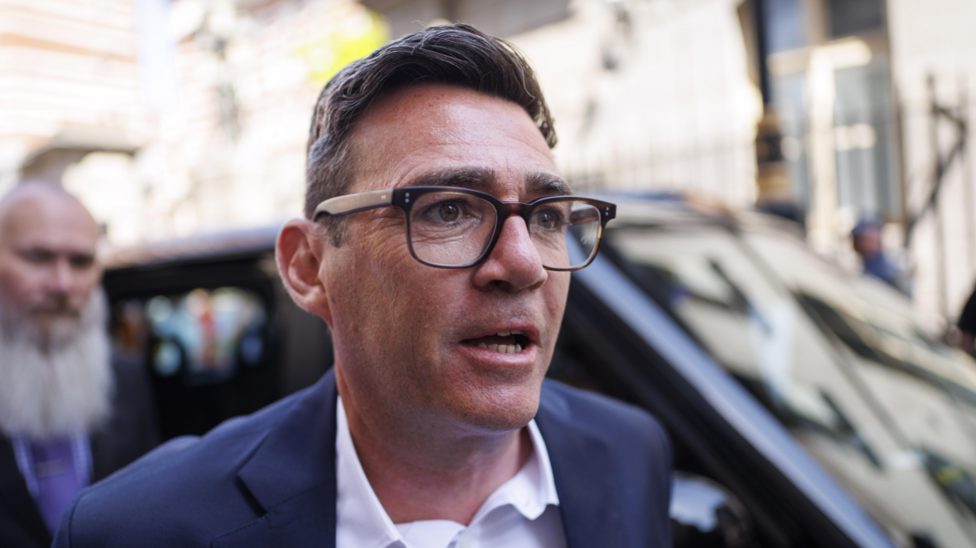
Andy Burnham could become UK prime minister by July 17 under a fast-tracked Labour timeline, though the caretaker government will pause major economic decisions while finalising a critical defence spending plan.
Labour's National Executive Committee has set out the nomination window for the party's leadership contest, running from 9 July to 15 July. Candidates must secure the backing of 81 MPs, as well as the required nominations from affiliated bodies like trade unions, by 16 July to proceed. If only one candidate clears this threshold, they will be announced as the new leader at a special conference on 17 July and appointed prime minister by the King.
Andy Burnham, who confirmed his intention to stand shortly after Sir Keir Starmer stepped down on Monday, is firmly positioned to win unopposed. He has accumulated endorsements from senior cabinet figures, including Chancellor Rachel Reeves, Foreign Secretary Yvette Cooper, and Education Secretary Bridget Phillipson. With potential challenger Darren Jones ruling himself out and former Armed Forces minister Al Carns yet to confirm a bid, Burnham is likely to gather enough nominations to lock out rivals entirely.
For businesses and investors, Starmer's resignation immediately limits the British government's fiscal capacity. Downing Street has explicitly stated it will not make major policies or spending decisions during the transition to the next prime minister. The official spokesperson denied the administration is a "zombie government," insisting the prime minister and all ministers remain focused on domestic priorities like "economic stability" alongside international leadership on growth.
Defence and European diplomacy
The one major exception to the spending freeze is the long-awaited Defence Investment Plan, which sets out future military equipment spending. Downing Street will publish this document before the NATO conference in Turkey on 7 July. Starmer plans to attend the defence alliance's summit in what is likely to be one of his final official duties, ensuring Britain's strategic commitments to European security are communicated clearly despite the domestic political upheaval.
The mechanics of the transition are designed to maintain administrative continuity, with Starmer authorising civil servants to meet prospective candidates to prepare them for government. If more than one MP secures the necessary nominations, a ballot of party members will run from 6 to 27 August, with a final result announced on 29 August. That date falls the day after the House of Commons is scheduled to begin its summer recess.