Fake bomb warnings are hitting European aviation, but the bigger threat came from Jared Kushner
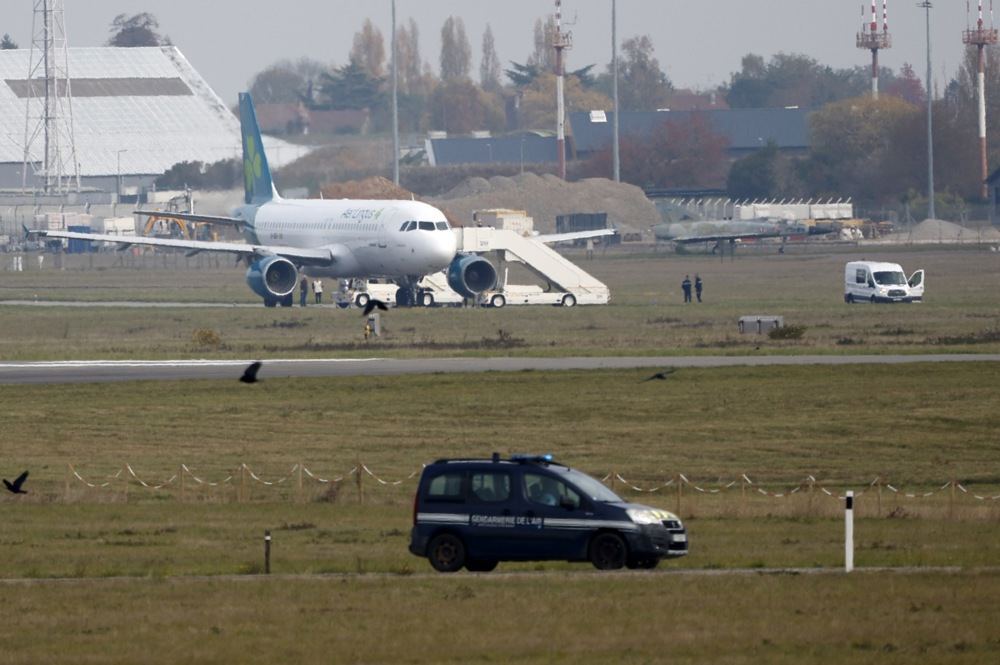
Every one of the 70-plus warnings sent to airlines, newsrooms and other targets in Europe last week was a hoax. But the harm was real: planes diverted, buildings evacuated, plans disrupted, costs incurred, public confidence eroded, writes Edward Lucas.
Every one of the 70-plus warnings sent to airlines, newsrooms and other targets in Europe last week was a hoax.
But the harm was real: planes diverted, buildings evacuated, plans disrupted, costs incurred, public confidence eroded.
It was the same story with a much bigger, if metaphorical, recent bomb threat, involving the blowing up of Europe’s security architecture.
This threat came not by anonymous email, but in a social media post from Jared Kushner, Donald Trump’s son-in-law. It mentioned five goals: “permanent security consultations, reliable crisis communications, greater military transparency, reciprocal measures to reduce escalation risks, and an enduring framework for long-term European security and stability.”
President Trump today advanced an important discussion with several European leaders about the need for a broader European security architecture that can help establish the conditions for lasting peace. Building on his leadership and the substantive work undertaken this week in… https://t.co/jZ9uAQnkd4
That might sound anodyne on first reading. But given the administration’s record of bullying allies and appeasing adversaries, many interpreted it as signalling a planned east-west stitch-up, probably fuelled by the Trump family’s business interests.
Everything Kushner cites is in the Paris Charter of 1990, the Budapest Memorandum of 1994, the Nato-Russia Founding Act of 1997 and the Rome Declaration of 2002 (this last one signed by none other than Vladimir Putin).
It was Russia, out of pique, paranoia and imperial self-interest, that blew up these agreements. All of them.
The starting point for anyone interested in European security should therefore be to get Russia to respect the promises it has already made, along with other countries’ borders and sovereignty.
But Kushner gave no hint that the US administration will put pressure on the Kremlin on these issues or indeed anything.
Edward Lucas is a former senior editor at The Economist, founder and director of the Baltic International Security Centre think-tank, and a regular writer on defence, security and espionage for The Times and Foreign Policy. He is the author of The New Cold War (2008) and Deception (2011).