UN chief urges Cop31 hosts Turkey and Australia to turn fossil fuel promises into action
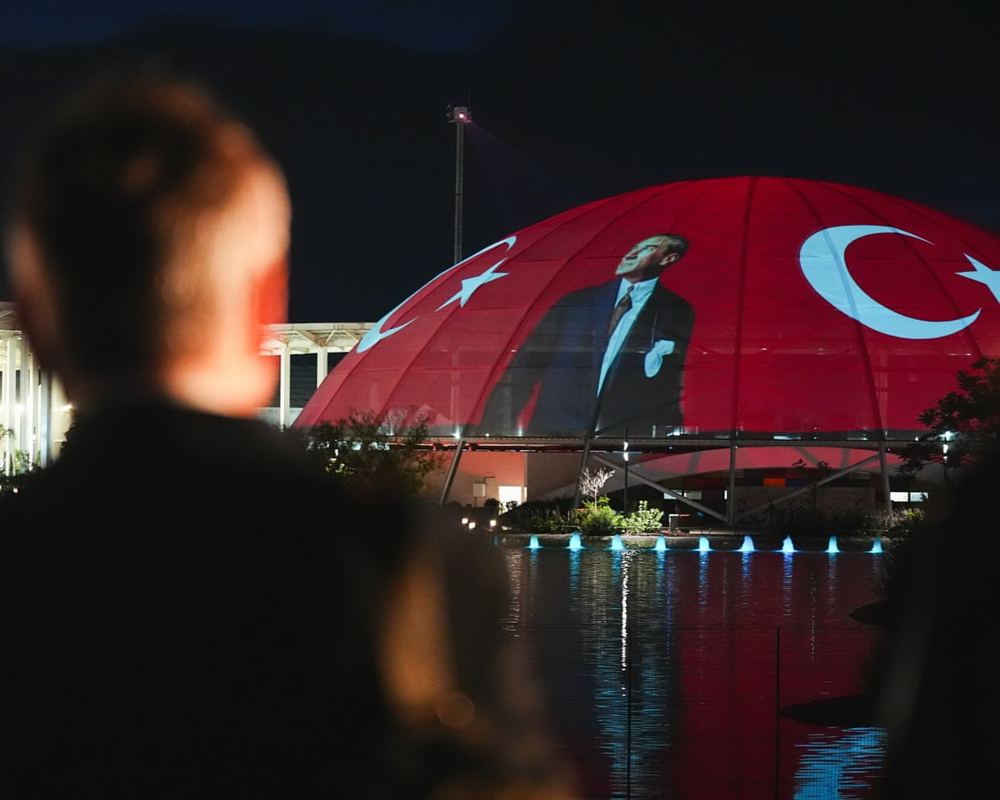
António Guterres calls for ‘clear next steps’ as countries face pressure to agree concrete measures Turkey and Australia, the co-hosts of crucial climate talks, must urgently move from discussing the end of fossil fuels to delivering it, the UN chief has said. “It is long past time to stop treating the transition away from fossil fuels as taboo or intractable,” António Guterres said, in a dramatic intervention on the second day of the conference on Tuesday. “Now, here at Cop31, we must move from discussing the transition to organising it, financing it, and delivering it.” Continue reading
António Guterres calls for ‘clear next steps’ as countries face pressure to agree concrete measures
Turkey and Australia, the co-hosts of crucial climate talks, must urgently move from discussing the end of fossil fuels to delivering it, the UN chief has said.
“It is long past time to stop treating the transition away from fossil fuels as taboo or intractable,” António Guterres said, in a dramatic intervention on the second day of the conference on Tuesday. “Now, here at Cop31, we must move from discussing the transition to organising it, financing it, and delivering it.”
The two countries hosting Cop31 are significant exporters of fossil fuels. Early on Tuesday, the Turkish president, Recep Tayyip Erdoğan , was extolling his country’s oilfields even as he prepared for his appearance at the summit on Wednesday.
Guterres said the talks should end with “clear next steps” to advance a roadmap to transition away from fossil fuels presented to delegates on Tuesday by Brazil, which presided over last year’s talks.
During a presentation with the Brazilians, Guterres, who will step down as UN secretary general at the end of this year and has made the climate crisis a central part of his agenda, often intervening on issues with dramatic language, was energetically backed by the former US secretary of state and climate envoy John Kerry , the UN’s chief climate negotiator, Simon Stiell, and his predecessor, the Mexican diplomat Patricia Espinosa. Hew was met by rapturous applause as he left the stage.
Brazil announced at the close of last year’s Cop30 climate summit that it would produce the roadmap. Previewing it last week , the country said an exit from fossil fuels would boost economies and help pull people out of poverty.
Kerry said the roadmap had come “at a critical moment” but “words in conversation don’t cut a single tonne of emissions, action does”.
There is growing pressure on this Cop to deliver after several years in which the summits have been criticised for a lack of progress. It took 28 years of annual UN Cop negotiations for the first mention of a transition away from fossil fuels to be included in a final decision, at the Cop28 summit in Dubai in 2023.
Greta Thunberg, the Swedish climate activist who inspired global climate protests several years ago, attended this year’s Cop for the first time since 2021,. “Cops have become greenwashed circuses. That is the reality,” she told reporters.
The drama came on the eve of a two-day leaders’ summit at which more than 90 world leaders, including the UK prime minister, Andy Burnham , his Australian counterpart, Anthony Albanese, and the newly elected Brazilian president Luiz Inácio Lula da Silva, were expected to speak and join negotiations.
Alden Meyer, a senior associate at the climate thinktank E3G and a Cop veteran, described the presentation of the roadmap to transition away from fossil fules as “an incredible display of collective firepower”.
“There’s clearly now an expectation that the presidencies [of Australia and Turkey] will pick up the baton from Brazil in some way,” he said. “But it won’t be agreed by consensus here. It took us 28 Cop meetings to get the need to transition away from fossil fuels into a Cop decision.
“This is what we are getting down to and it will be interesting to see how this hybrid presidency responds to this. This is the challenge to this presidency and how they pick up this baton and keep this discussion going.”
A spokesperson for Australia’s climate minister, Chris Bowen, said: “Our message had been clear: countries working together is not only the best way, it is the only way of dealing with climate change and the other crises countries that are facing. Before us is the opportunity to make our nations more prosperous, our energy system more secure and the climate more safe.”
The second day of the conference also saw more than 700 groups, ranging from trade unions to disability advocates, urging diplomats to prioritise a “just transition” for the people who will be hit hardest by a shift to a clean economy.
Organisations from 88 countries demanded a mechanism at Cop31 to turn promises of a just transition into action. Known as the Belém-Antalya Mechanism (BAM), it would seek to support issues including human rights, gender equality and good jobs, while respecting Indigenous rights.
Lidy Nacpil, the coordinator of the Asian Peoples’ Movement on Debt and Development, said: “Workers and communities, especially in the global south, welcomed and celebrated the Cop30 decision to develop a just transition mechanism, or BAM, which has the promise of delivering real support and action for just transition on the ground.
“However, in pre-Cop, governments of the global north have once again exposed their determination to pour cold water over this promise, by limiting what a mechanism can do and delaying the process of its operationalisation.”
On Tuesday, with 100,000 people attending the talks, many delegates were stuck in traffic for hours. Tram services were crammed with attenders, while some bus journeys took more than three hours.