UK heatwave exposes growing political retreat from net zero targets
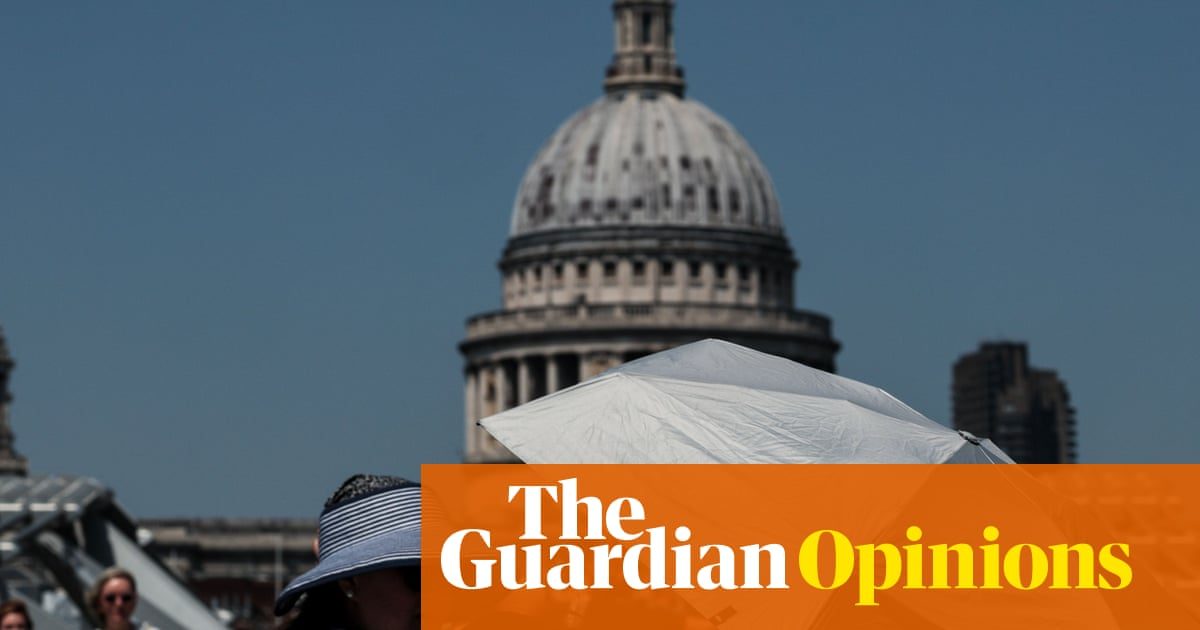
As Britain endures record June temperatures and its first three-day red heat warning, a political battle over the next chancellor highlights a growing European retreat from net zero policies driven by economic anxiety.
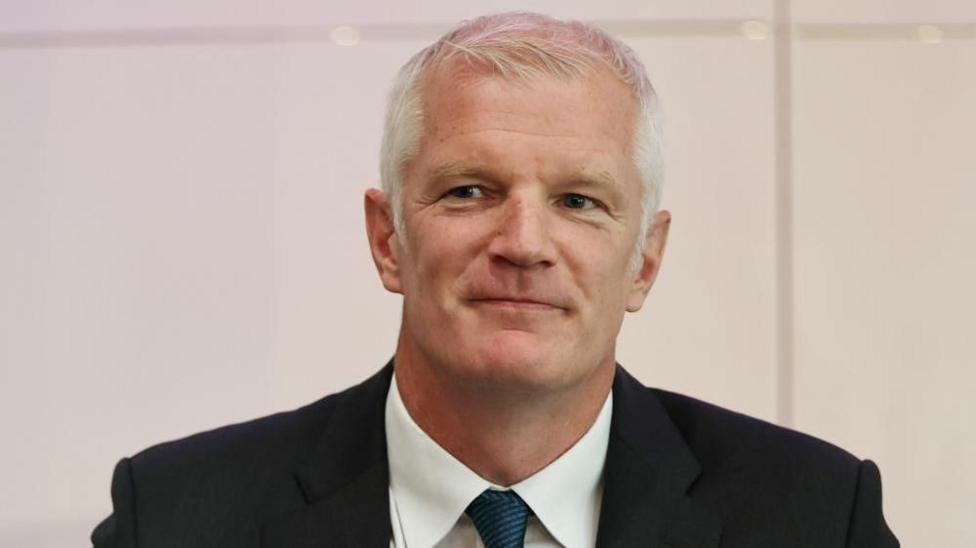
Britain is experiencing unprecedented June heat, with temperatures exceeding 35C in London, wildfires breaking out in Derbyshire, and the Met Office issuing red warnings for three consecutive days for the first time. While schools closed and sleepless nights gripped the country, the political establishment quickly moved on from the prime minister's resignation to focus on the incoming premier, Andy Burnham, and his choice of chancellor.
The frontrunner for the Treasury post is Ed Miliband, the current energy secretary. His candidacy has split Burnham’s inner circle, with some allies praising his Whitehall experience but others warning his net-zero advocacy would spook the bond markets. This market anxiety has become the primary weapon for critics aiming to block his appointment.
That opposition crystallised this week at a London conference hosted by the Alliance for Responsible Citizenship, a group backed by fossil fuel companies. Speaking to delegates, Kemi Badenoch identified a singular culprit for Britain’s economic struggles. “His name is Ed Miliband and he has made our country poorer,” she said to applause.
The gathering featured US Energy Secretary Chris Wright, a former fossil fuel executive, who described Britain’s green policies as a “tragic mistake”. Wright expressed hope that the UK’s change in leadership would bring its energy strategy in line with Washington. The irony of climate sceptics fanning themselves in 35C heat was lost on the attendees.
However, the pushback against green mandates extends well beyond this conference and into the European political mainstream. Several trade unions oppose Miliband due to his stance against new North Sea oil and gas drilling. Former prime minister Tony Blair has argued for relaxing the net-zero push, while Mark Carney has dismantled green measures in Canada and the European Commission is similarly easing regulatory pressure.
This continental retreat is framed as a necessary concession to secure economic growth. Yet the ultimate cost of fossil fuel dependency was on display in Washington this week. Donald Trump agreed to a memorandum of understanding with Iran that promises $300bn (£225bn) in aid and an end to sanctions, without securing any concessions on enriched uranium, ballistic missiles, or support for Hezbollah, Hamas and the Houthis.
Trump capitulated to Tehran primarily to lower pump prices and rescue his approval ratings. For European policymakers weighing the political cost of climate action against economic growth, the sequence of events offers a stark lesson. The same global addiction to oil that is driving record temperatures is now dictating geopolitical surrender.