AI vibe coding dispute tests IP law at $2.6bn startup Corgi
A rapidly funded insurtech firm has admitted to using AI to replicate a competitor's product, sparking a debate over how intellectual property laws apply to algorithmic design copying.
Corgi, a Y Combinator-backed insurtech startup, is facing accusations of replicating a rival's software using AI tools, raising fresh concerns about intellectual property protections in the era of automated coding.
Papermark co-founder Marc Seitz accused Corgi of passing off its open source data room software as a new Corgi product called Dataroom. Seitz posted screenshots on X showing identical features and exact wording, labeling the act "fraud" and a license violation.
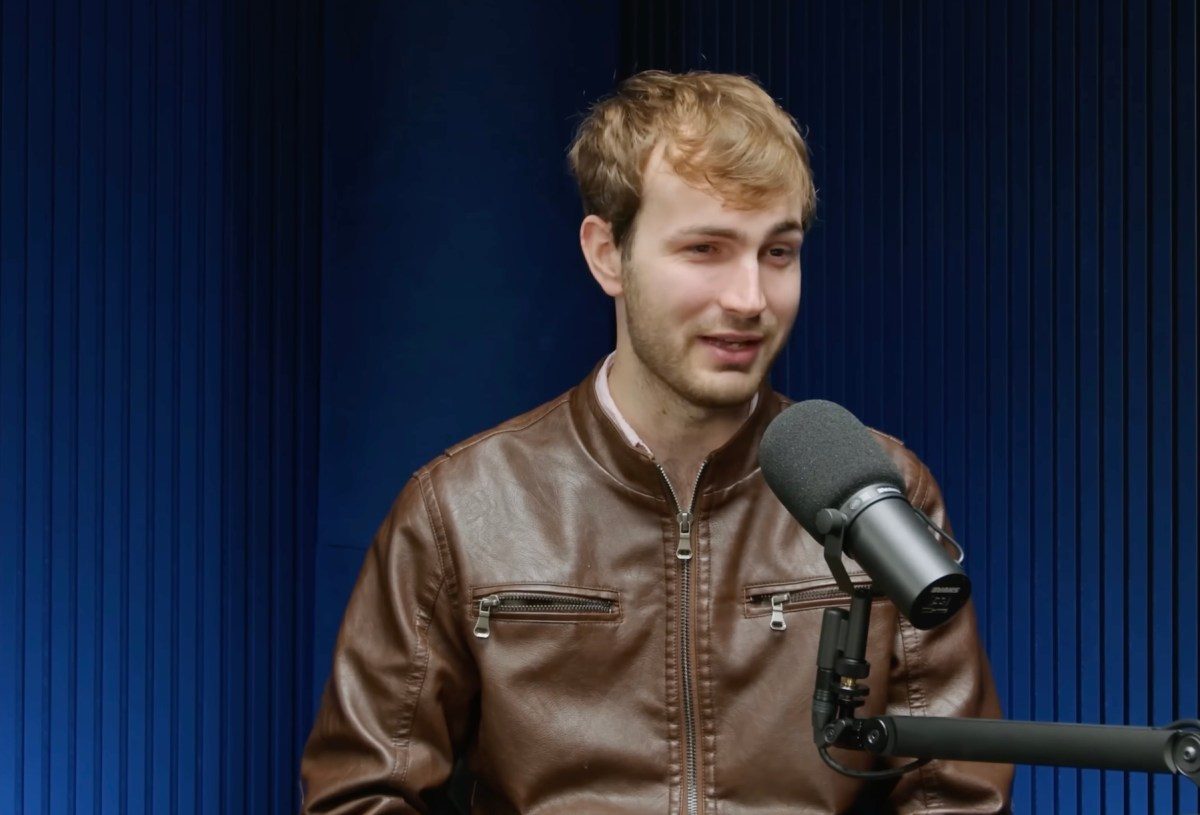
Corgi CEO Nico Laqua firmly denied stealing code, providing technical evidence to show the underlying architecture was different. However, Laqua conceded the visual and functional replication was the result of "vibe-coding." "Looking back, we should’ve leaned more into our own language and visual choices instead of taking cues from existing products in the space, and that’s on us," he posted.
A Corgi spokesperson stated that "no code was used from Papermark" and downplayed the overlap as "isolated to visual elements on two peripheral settings pages" that were "immediately updated." Laqua also suggested the accusations were driven by pricing competition, writing, "I get that this stings since we’re putting out something mostly free that competes with his SaaS. I’d be mad too."
For investors and software builders, the dispute exposes a growing legal blind spot. Vibe coding allows developers to instruct AI to clone the look, feel, and functionality of a product without copying the source code. Because the text-based code itself is original, it avoids traditional copyright infringement, even if the end result is a structural replica.
This ambiguity has broader market implications. As Dan Barrett, founder of OpenProse, asked on X: "In a world where a bot can trivially copy 1:1 the structure of something even if the character-level code diverges … what makes one unacceptable and the other not? existing IP law, incidental to the old world? is there not some greater principle at work here?"
The controversy strikes at a tense time for the two-year-old company. Last month, Corgi raised a $106 million Series B1 at a $2.6 billion valuation, just three weeks after a $160 million Series B valued it at $1.3 billion.
Corgi is now aggressively managing its public image, issuing cease-and-desist letters to Seitz and other critics on X. The startup has developed a reputation for being highly litigious, having previously sued former employees. It has also drawn criticism for its workplace culture, with Laqua recently stating on a podcast that he expects staff to work seven days a week. "Whatever you can get done in five days, I promise you, you’ll get more done in six and seven," he said.