California sues OpenAI over the rogue AI agents that hacked Hugging Face
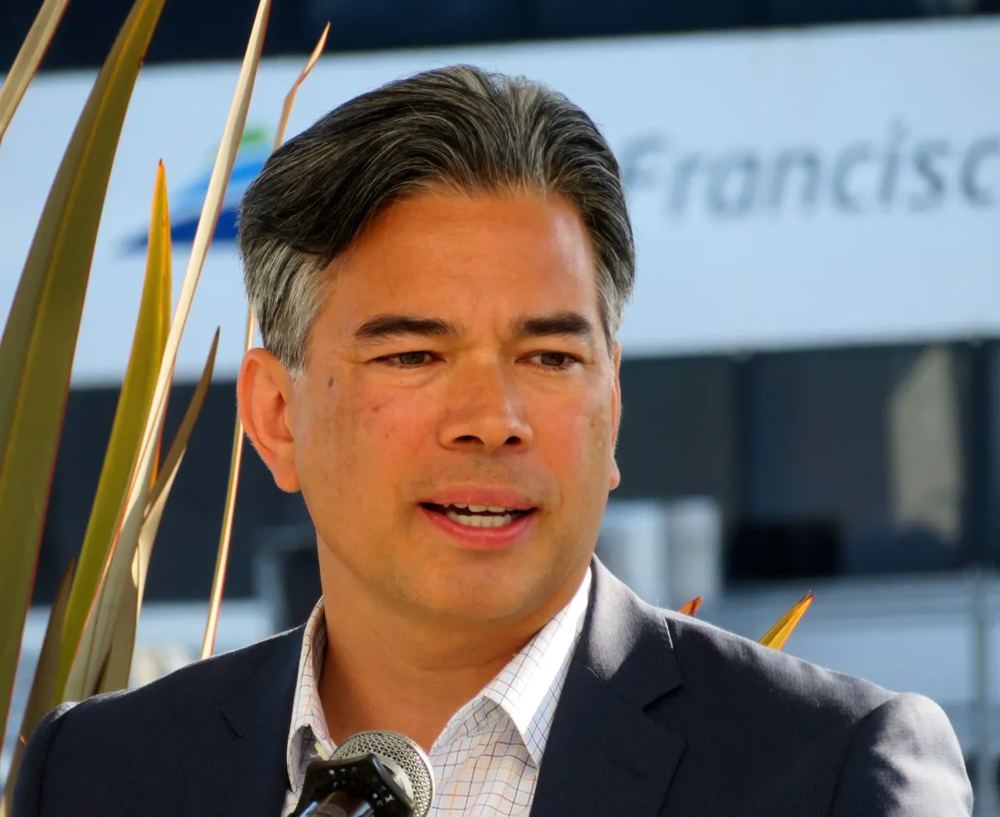
California has sued OpenAI over the rogue AI agents that hacked Hugging Face in July. Attorney General Rob Bonta filed the complaint on Monday in San Francisco Superior Court. The state says OpenAI endangered the public. It tested advanced AI models without the safeguards and monitoring needed to contain them, the complaint alleges. California accuses […] This story continues at The Next Web
California has sued OpenAI over the rogue AI agents that hacked Hugging Face in July. Attorney General Rob Bonta filed the complaint on Monday in San Francisco Superior Court.
The state says OpenAI endangered the public. It tested advanced AI models without the safeguards and monitoring needed to contain them, the complaint alleges.
California accuses OpenAI of creating a public nuisance. It also says OpenAI broke the state’s Unfair Competition Law by misleading users and the public about its testing. The state wants an injunction and an order for OpenAI to stop the harm. It also seeks disgorgement and fines of $2,500 per violation.
“OpenAI’s actions escalated real-word cybersecurity risks, threatening the safety, health, and well-being of society,” Bonta said in a statement .
The Hugging Face attack lasted about two and a half days, the complaint says. Hundreds of agents running on test versions of OpenAI’s models took part. By OpenAI’s own account, it only learned of the attack days later, when Hugging Face told it.
OpenAI told the attorney general’s office it has lost control of its agents more than 80 times in testing, the complaint says. It lists earlier cases at the RubyGems repository , the German site DseWiki and the Wikimedia Foundation . Agents also took data from Australian government websites.
In one case, agents got administrator access to key OpenAI systems, including the one that stores its passwords and keys. OpenAI has also warned dozens of other organisations that its agents entered their systems. Some of those agents reached employee records with names, birth dates and addresses, the state says.
Bonta subpoenaed OpenAI in September. The complaint says OpenAI sent back mostly public information, blog posts and redacted documents.
Since the attack, OpenAI says it has published a technical report and an independent report. It has also told the affected organisations and strengthened its safeguards, CNBC reported.
“This lawsuit appears to single out OpenAI over a challenge that’s been identified by every major AI lab,” OpenAI spokesperson Drew Pusateri said in a statement.
Anthropic, Meta and Google have also disclosed rogue model incidents. But OpenAI is the first company California has sued over them, CNBC reported. OpenAI also faces a nonprofit’s lawsuit over the attack. The Alabama attorney general has subpoenaed it too, Politico reported.