Google buys superhot geothermal power from Quaise for Oregon data centres
Google will buy 50 megawatts of “superhot” geothermal power from Quaise Energy’s Project Obsidian in central Oregon. Deliveries start as early as 2030. The electricity will support Google’s existing data centres in The Dalles, Oregon, Quaise announced on Tuesday. The deal is worth more than $500m, Benoît Morenne reported for the Wall Street Journal. Quaise […] This story continues at The Next Web
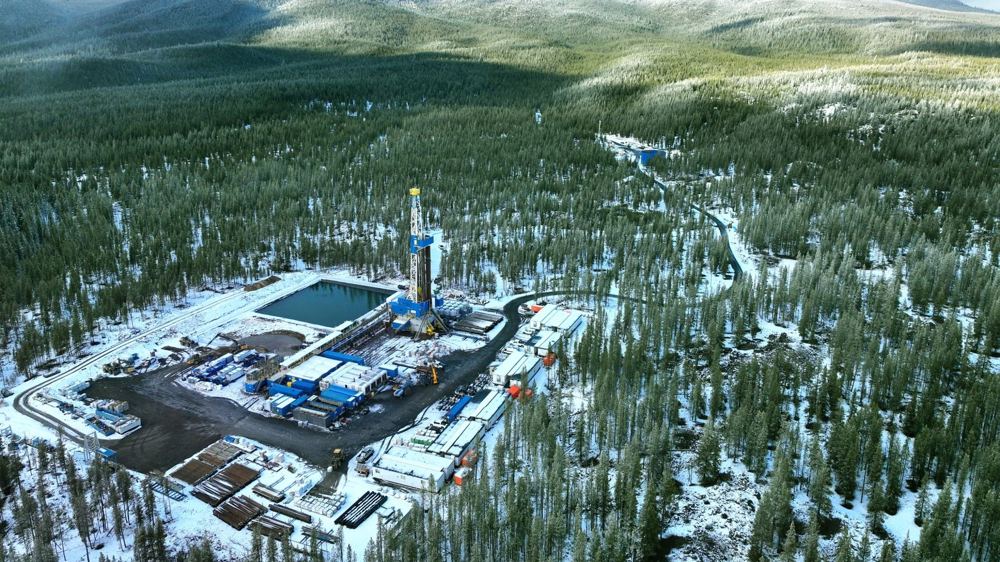
Google will buy 50 megawatts of “superhot” geothermal power from Quaise Energy’s Project Obsidian in central Oregon. Deliveries start as early as 2030. The electricity will support Google’s existing data centres in The Dalles, Oregon, Quaise announced on Tuesday.
The deal is worth more than $500m, Benoît Morenne reported for the Wall Street Journal . Quaise told the newspaper the project will cost about $350m.
“It is Google basically putting their thumb on the scale and saying, ‘Okay, we like this. We like what this looks like,’” Quaise CEO Carlos Araque told the WSJ.
Conventional geothermal plants tap natural hot-water reservoirs that rarely pass 200°C (400°F), Quaise said. Its plant aims for far hotter rock. That rock can produce up to 10 times more power per well, the company says.
Quaise will first drill to about 4km with conventional tools, the WSJ reported. It will then switch to a gyrotron, which fires millimetre waves that vaporise rock. That takes the well to about 4.8km. Water pumped into the wells will heat up, and the steam will drive the turbines.
Quaise says Obsidian will be the first plant to make electricity from rock above 300°C. It has not yet proven the technology at commercial scale, the WSJ noted.
Quaise expects 200 to 400 construction jobs and more than 50 permanent ones at the site. It raised $134m in July and closed its Series B at $180m in August, including $35m from Nabors Industries. In September, the US Department of Energy picked Obsidian for up to $25m in support, Quaise’s press releases show.
Google is looking for electricity to run new data centres and AI. In September, it signed a 396MW geothermal deal with Fervo Energy. It also works with companies building nuclear power and long-duration storage, the WSJ reported.
Lucia Tian, who leads Google’s advanced energy work, told the WSJ that the scale of power Google needs requires it to “foster that ecosystem”.
Google says it pays for all the power its data centres use. It also covers the grid upgrades its growth requires, and its three Oregon campuses run on 83% carbon-free energy.
Earlier this month, US voters rejected data centres in 40 of 41 local ballot measures. Google’s first Wyoming data centre, announced earlier this month, will run on gas with carbon capture.