Workers now treat jobs like portfolios as AI hiring erodes trust
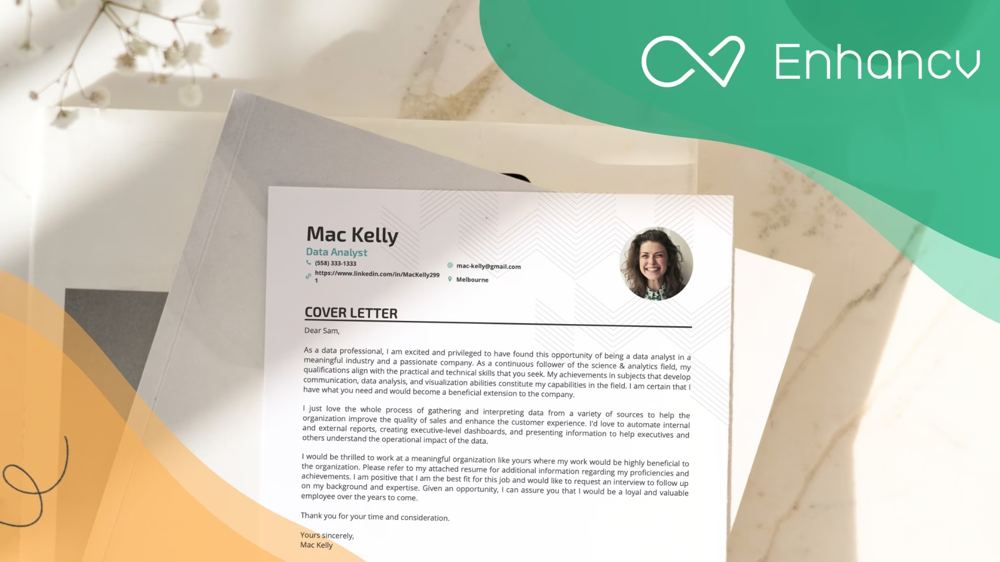
Survey data from thousands of professionals shows why many treat a second paycheck as unemployment insurance. Ask a growing number of professionals about a second job, and many call it unemployment insurance. In an Enhancv survey of 1,000 professionals holding multiple full-time roles, 79.5% agreed a second paycheck protects them against layoffs and economic instability. […] This story continues at The Next Web
Survey data from thousands of professionals shows why many treat a second paycheck as unemployment insurance.
Ask a growing number of professionals about a second job, and many call it unemployment insurance. In an Enhancv survey of 1,000 professionals holding multiple full-time roles, 79.5% agreed a second paycheck protects them against layoffs and economic instability.
Hiring data explains why. According to a survey of 1,066 U.S. job seekers , 50.5% received a rejection with no human feedback in the past year. Workers once traded loyalty for job security, but many professionals now manage employment like a financial portfolio. In other words, they rely on income from several jobs so that losing one job doesn’t wipe out their earnings.
Hiring decisions now happen out of view. Among the 538 respondents who got silent rejections, 63.8% believed an algorithm made the call. Younger applicants experience silence more often than older ones. Silent rejections reached 62.2% of applicants aged 25 to 34 and 61.5% of those aged 18 to 24, compared with 32% of those 55 and older.
Employers rarely disclosed AI use, according to 68.5% of candidates. Among respondents, 31.4% abandoned an application after a one-way video or chatbot screen, and nearly half of respondents (47.7%) agreed that AI hiring tools are biased against their age, race, gender, or background. Candidates also use AI, with 49.6% admitting they relied on it.
Some job postings never lead to hire, and workers call them ghost listings. Enhancv surveyed another 1,000 US professionals in March 2026. Among respondents with eight or more years of experience, 51% had encountered ghost listings , which are postings for roles the employer never intended to fill. Among 411 senior respondents, 31% said employers asked for strategy decks or marketing intelligence before making an offer.
Overall, 37% of respondents reported direct out-of-pocket losses. A job listing with no actual opening still costs applicants hours and money. In addition, 16.1% saw a role reposted as new right after a rejection email. Senior candidates who hand over strategy decks or marketing ideas before an offer may be giving away work for a job that doesn’t exist.
Enhancv survey of 1,000 professionals with multiple full-time jobs also asked what it would take to give up the second paycheck. About half said they would need a 21% to 50% raise to give up the second paycheck. Another 12.9% said they would not leave, no matter the pay.
Enhancv’s data shows that overemployment spans office-based and hybrid roles across many industries. About 50.4% of respondents work mostly in the office and 26.5% work hybrid, so 76.9% have at least some on-site time. By industry, education leads at 16.6%, ahead of operations at 12.9% and healthcare at 11%. Software engineers account for just 2.3%, so most people hold multiple full-time jobs outside tech.
AI makes holding two jobs easier. In the same survey, 28% report a significant drop in workload from AI tools , and 8% said it fell by more than half. One in four meets primary targets in 30 hours or less. Roughly 26.4% rely on speed alone to keep multiple jobs running. Calendar blocking helps 15% of respondents, and 14.5% carry separate devices.
AI tools let workers finish tasks faster, but many employers still measure and reward hours worked. Many workers respond by adding a second job, so no single employer controls their income. Return-to-office mandates add to the distrust. An Enhancv return-to-office survey of 1,000 US employees found that 72% see the rules as a way to force resignations . Separately, 36% started a side hustle after their employer announced a return-to-work mandate.
Workers have learned that a job can disappear without warning, and that a rejection can arrive without reason. Enhancv’s research shows many now play around both.
Contributed article. Not produced by the TNW newsroom and does not reflect the editorial stance of TNW.