Supermoon Season Is Coming. Here’s Where to Watch in Every Single State.
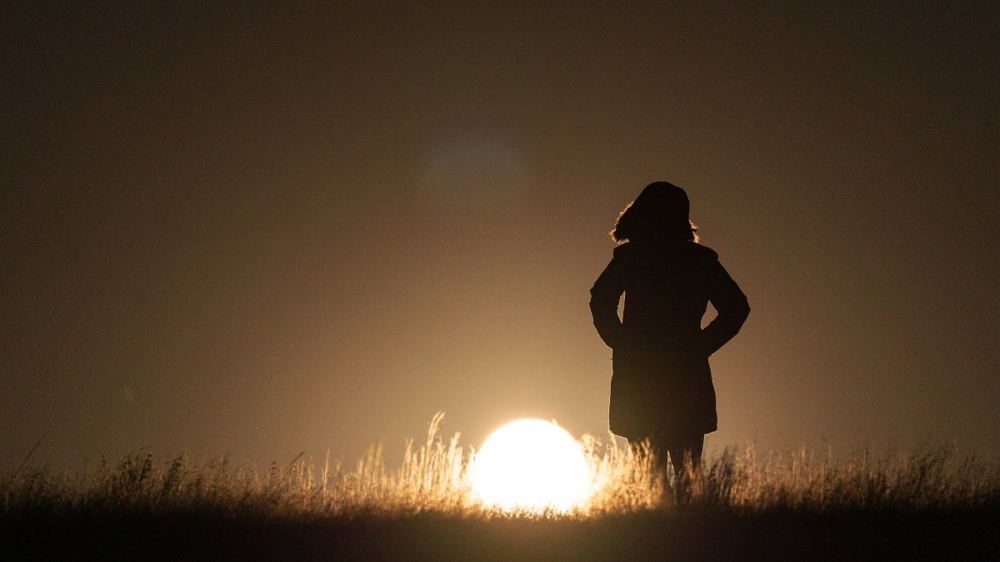
After months without a supermoon, we have four on the horizon from now through February—including the closest full moon of the decade. Here’s how to catch the show, including viewpoints in all 50 states. The post Supermoon Season Is Coming. Here’s Where to Watch in Every Single State. appeared first on Outside Online .
Thanksgiving week will bring the first supermoon since January 2026. It kicks off a series of not one but four oversized full moons in a row, including the closest supermoon of the decade thus far in December. While you can admire the bright sphere throughout the night, a few specific tips and tricks will dramatically improve your view, including strategizing when and where to watch.
I’ve chased at least a dozen supermoons as an astrophotographer and night-sky tourist , from the badlands of South Dakota to Serengeti National Park in Tanzania. In this guide, I’m sharing everything you need to know as we enter supermoon season, including timing logistics and guidance on where to watch the luminous sphere in every state.
The Thanksgiving-week supermoon will hit on Tuesday, November 24 It reaches full illumination that morning, but there’s an even better time to view it: sunset.
The round orb looks especially large and bright as it rises and sets due to an effect known as the moon illusion. A supermoon can appear up to 30 percent brighter and 14 percent bigger than the smallest full moon. Near the horizon, it looks even more gargantuan. If you’re hoping to snag supermoon photos, moonrise and moonset are the times to do it.
The full moon rises in the east to northeast as the sun sets in the west, and sinks in the west as the morning sun appears out east. The golden hour hues only add to the drama, turning the globe a tangerine tinge.
The last two supermoons of 2026 line up perfectly with holiday-season gatherings. In addition to a Thanksgiving-week event on November 24, we also have a full supermoon right before Christmas on December 23. It’s the closest full moon we’ve witnessed yet this decade, at 221,667 miles away.
After December, we have two more supermoons in early 2027: January 22 and February 20. You can use the following locations to watch these or any future supermoons, since moonrise and moonset locations remain relatively the same all year.
While the supermoon looks stellar during both moonrise and moonset, I’m especially partial to its ascension because it doesn’t come with an early wake-up call. The full moon’s first appearance coincides with sunset. And soon after it rises, I can begin spotting a few constellations.
With that in mind, here are the best places to watch the rising supermoon in every state. Remember: These locations are just starting points. You can absolutely watch the magic beyond this list. Just scout a viewpoint with relatively unobstructed vistas to the east, where the evening moon first shows.
Pair supermoon watching with thick forest overlooks in Cheaha State Park, set 70 miles east of Birmingham. Out here, you can watch the crater-pocked orb rise from Alabama’s tallest point, Bunker Tower at around 2,400 feet. The simultaneously setting sun will turn the hardwood landscapes into varying shades of peach and pink.
Watch the supermoon ascend over mountain-flanked Kachemak Bay from the east-facing side of the Homer Spit, a thin sliver of land crossing 4.5 miles into the waterway. This glacier-carved landmass provides two-for-one awe; watch the sun set in the west and the moon rise out east. If you’re lucky, the northern lights could follow, too.
Catch the eye-popping supermoon rising above one of America’s most famed landmarks, the Grand Canyon. Mather Point’s east-facing view provides the perfect vantage point, although you’ll have numerous other lookouts to scout from, including Yaki Point and Shoshone Point, or further in the canyon along the South Rim trail. (Just read ahead on travel restrictions given recent flooding closures.)
Head slightly west of Little Rock for one of Arkansas’ best supermoon viewpoints: Pinnacle Mountain State Park . The getaway’s visitor center is a popular spot for sunrise, which makes it great for moonrise, too.
Death Valley is about as otherworldly as national parks get, even more so with a supersized moon rising above its surrounding peaks. Watch for the sphere above the badlands from Zabriskie Point, or head to Mesquite Flat Sand Dunes to marvel as it inches above the Grapevine peaks.
Perched above Boulder, the Colorado Chautauqua, a hub for arts, culture, and outdoor adventure, provides the perfect supermoon view. The earliest portion of the Chautauqua Trail, including the trail overlook, provides unobstructed glimpses to the east. For an easier vista, spot it right from Chautauqua Park. Don’t miss the sun setting behind the snowy Flatirons to the west, too.
From Hammonasset Beach State Park’s boardwalk and shoreline, you can peer back and forth from the east’s supermoon to the west’s sunset, with the Long Island Sound in your foreground. Head to the park’s southern end, Meigs Point, for the most panoramic view. The beach is just over 20 miles east of New Haven.
The Point in Cape Henlopen State Park , where the Delaware Bay meets the Atlantic, offers another 360-degree supermoon and sunset perch. You can watch the moon crawl above the ocean as the sun dips beneath the bay and, if you situate yourself correctly (about one-third of the way up the west-side beach), behind the Delaware Breakwater East End Lighthouse. East-facing Rehoboth Beach just south of here is another stellar supermoon spot.
Barrier island Key Biscayne offers over a mile of east-facing beachfront perfect for catching the supermoon. Head to the Cape Florida Beach at Bill Baggs Cape Florida State Park to enjoy it while watching for dolphins or visiting the Cape Florida Lighthouse; the park is within ten miles of downtown Miami.
For supermoon views with a surreal foreground, head to Jekyll Island’s east coast. Here, you’ll find Driftwood Beach, a waterfront made famous by its graveyard of gnarled oaks and pines. The lunar views continue down the coastline, including public access points like the South Dunes Picnic Area and Great Dunes Park. Or, join a Jekyll Island Dolphin Tour to swoon over the rising moon while scouting for cetaceans.
With miles upon miles of scenic east-facing coastlines, the options for supermoon watching in Hawaii run the gamut. Try Pololū Valley on the Island of Hawaii for the chance to see our neighboring space rock as well as migrating whales, which visit the area from December to April. Catch it from the elevated overlook, or via a hike down to the waterfront.
For a sky-high vista, stroll the pedestrian sidewalks on Perrine Memorial Bridge in Twin Falls, Idaho, just as the sun sets and the supermoon appears. Make sure to walk the east side to catch the lunar marvel above the Snake River, which runs over 1,000 miles from Wyoming to Washington state.
Downtown Chicago’s 18-mile lakefront pedestrian and bike trail is situated perfectly for a supermoon ascent. The route, located on the city’s east side, offers countless vantage points. Peer moonward from North Avenue Beach, the end of Navy Pier, or the viewpoint just behind Adler Planetarium.
Brown County State Park, nicknamed the Little Smokies, is the largest park in Indiana, and one of the best places in the state for seeing the supermoon. Drive up to the Hesitation Point overlook. It’s a local favorite for sunrise, which makes it perfect come supermoon season.
Stare slack-jawed as the supermoon rises above the Wisconsin River and the Mississippi from Pikes Peak State Park, one of Iowa’s best outdoor getaways. Viewpoints like the Pikes Peak Scenic Overlook are reachable by car, although you can get water-view hikes along the park’s 11.5 trail miles. It’s around 100 miles from Cedar Rapids.
The closer you can spot the supermoon to the horizon, the better, and Tallgrass Prairie National Preserve’s vast and flat fields do the trick. From the preserve’s scenic routes, such as Southwind Nature Trail, you can admire the lunar wonder along with potential bison, deer, and hare. The destination, part of the world’s largest remaining tallgrass prairie landscape, is 75 miles southwest of Topeka.
See the supermoon soar above the Appalachians from Pine Mountain State Resort Park in eastern Kentucky. The destination’s one-mile Chained Rock Trail leads you to a favorite local sunrise spot, gaining around 250 feet of elevation via stairs and packed dirt. Keep watch for wildlife like bears while you’re out here.
Any supermoon view will delight, but watching the orange orb reflect off water is especially enchanting. For that, try Louisiana’s Lake Martin, roughly 50 miles west of Baton Rouge. Fantastical cypress trees dot the water body, with frequent avian sightings from egrets to spoonbills. You can admire the scenery from the five-mile Levee Trail, or via kayak or boat.
Few coastal landmarks are as recognizable as Portland Head Light, a 1790s-era lighthouse perched atop Maine’s craggy coast. From here, sky-watchers can enjoy unobstructed views to the east, excellent for a sunrise or, soon, a supermoon. The lookout is six miles from downtown Portland.
From North Point State Park, you can watch the supermoon ascend above the country’s largest estuary, Chesapeake Bay. Get your legs moving on the park’s four-mile Hiker-Biker Trail, then watch the pockmarked moon appear from Crystal Pier or its adjacent beach.
Hear the crashing waves as you watch the peachy moon travel above the Atlantic. Halibut Point State Park provides a multisensory experience, complete with the scent of sea spray on the 440-million-year-old granite rocks. For the best viewpoint, head to the park’s northern tip, where you can look east to watch the supermoon and west to admire the plummeting sun.
Detroit’s 982-acre Belle Isle provides ample moon-viewing coordinates, all with the Detroit River as your backdrop. Hit the northeast section of the Belle Isle’s Driker Trail for the most unobstructed vista.
Perched atop a 130-foot cliff, Split Rock Lighthouse in northern Minnesota comes with serious supermoon potential, and, if you’re lucky, a chance to see the northern lights. To watch the moonrise down at lake level, make a detour to adjacent Pebble Beach.
Sardis Lake, which is actually an over 98,000-acre reservoir set 60 miles south of Memphis, provides numerous supermoon vantage points. Watch the moon soar above this beloved fishing hole at the end of Pats Bluff or from the John W. Kyle State Park Campground.
See the supermoon’s first appearance from America’s smallest national park, Gateway Arch . This east-facing getaway has the perfect photo-composition recipe: if you’re standing in the right place (west of the arch), you can photograph the moon rising beneath the 630-foot colossus.
Visit the west side of glassy Flathead Lake to watch the lunar globe wow above the Mission Mountains. Stop-offs like West Shore, Big Arm, and Volunteer Park offer stunning vistas that are especially quiet come winter. If time allows, detour up to Glacier National Park just under 60 miles to the north.
Standing Bear Lake, located 20 miles from downtown Omaha, offers a unique urban vantage point on the roughly four-mile paved Standing Bear Lake Loop trail. Alternatively, try Omaha’s Glenn Cunningham Lake, with a variety of overlooks and campgrounds on the water body’s western side.
Head to the crimson crags of otherworldly Valley of Fire State Park. From the 1.5-mile Fire Wave Trail or the route’s scenic turnaround point, you can spot the supermoon above the sandstone. Other good moon-watching routes in this park, set around 50 miles from Las Vegas, include the Balanced Rock Trail and White Domes.
New Hampshire’s largest lake delivers a variety of supermoon vantage points. Try the Lincoln Park waterfront or the 1.5-mile route up Mount Major, a challenging ascent that leads to the 1,786-foot summit with granite balds and 360-degree views.
Pair the supermoon with the Statue of Liberty or Manhattan skyline for scale at Liberty State Park, one of New Jersey’s most scenic public spaces. Hit the roughly two-mile waterfront walk for the best overlooks in this Jersey City park. It’s near the tail end of the 18-mile Hudson River Waterfront Walkway, which runs from the George Washington Bridge to Bayonne.
Sunset is one of White Sands National Park’s most popular moments, and for good reason. Golden hour turns this typically snow-white gypsum sand a mosaic of blush and tangerine hues. The landscape gets even more magical with a supermoon to top it off. You can catch the show throughout the dune system, particularly along the Alkali Flat Trail; just leave ample time to hike in and out, and note that the park closes 30 minutes after sunset.