UK defence plan falls short of 2030 and 2035 Nato goals
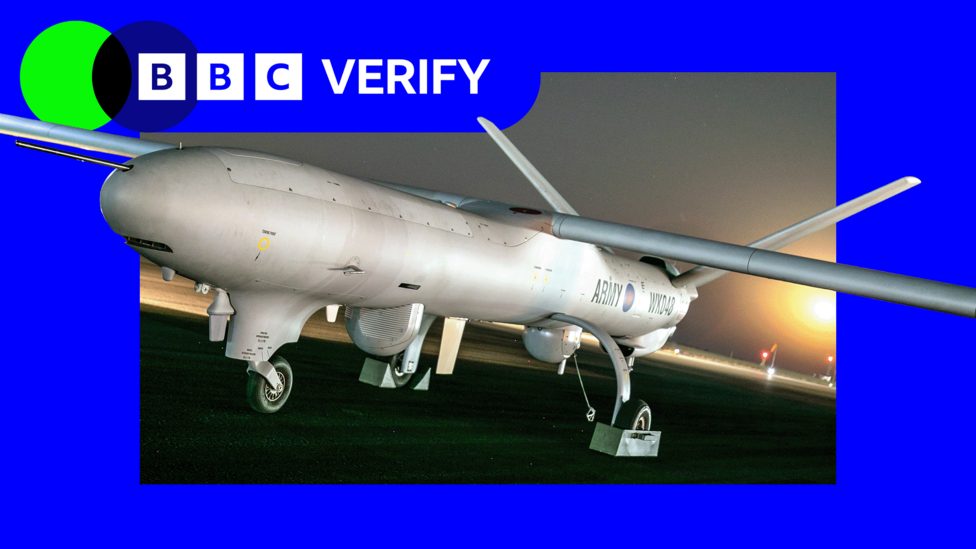
The UK’s delayed Defence Investment Plan commits an extra £15 billion over four years, but a spending plateau at 2.7% of GDP leaves London’s 2035 Nato pledge mathematically unresolved.
The British government has published its delayed Defence Investment Plan, pledging an extra £15 billion over four years to reach 2.7% of GDP by 2027-28. Prime Minister Sir Keir Starmer called the measures a "huge historic shift for our nation", claiming they put the UK on a "trajectory" to hit 3% of GDP in the next parliament.
The UK's Nato-qualifying defence spending, which includes military pensions and will soon encompass intelligence agencies, was estimated at £70 billion in 2025. This represented 2.4% of GDP, against a core Ministry of Defence budget of £68.3 billion for 2026-27. The new plan raises this Nato-qualifying metric to 2.6% for 2027, primarily through the reclassification of security agency activities.
Yet the fine print indicates that defence spending will plateau at 2.7% of GDP by the end of the decade. This flatline creates a significant tension with the commitment Starmer made at the Nato summit in the Hague in June. There, alliance members agreed to spend 3.5% of GDP on core defence by 2035, with a further 1.5% allocated to infrastructure and civil resilience. The DIP insists that 2035 target "will be met", but provides no year-by-year estimates beyond 2030 to explain how.
The modest scale of the new funding triggered the resignation of former Defence Secretary John Healey on 11 June. Healey stated the initial DIP draft he was shown only reached 2.68% by 2030, which he deemed insufficient "to defend the country at this time of rising threats". The final publication added roughly £600 million for 2030, increasing the total top-up from £13.5 billion to £15 billion.
Starmer frequently cites a total £270 billion cash spend over this parliament, calling it the biggest sustained increase since the 1980s. Chancellor Rachel Reeves allocated £10.3 billion of the new £15 billion increase immediately, stating that "a further £4.7bn over four years will be confirmed at Budget 2026". The deferred funding raises questions about whether the Treasury has fully resolved internal military concerns over a reported £28 billion budget shortfall, a figure the MoD has not officially confirmed.
For European allies, the plan highlights the difficulty of converting summit pledges into funded reality. While Starmer argues the broader 5% Nato framework puts the UK at 4.2%, the core defence trajectory lacks a clear financial mechanism. As Healey noted, a "clear plan" for reaching the 2035 target remains absent.