Shetland backs £655m subsea tunnels to reverse economic decline
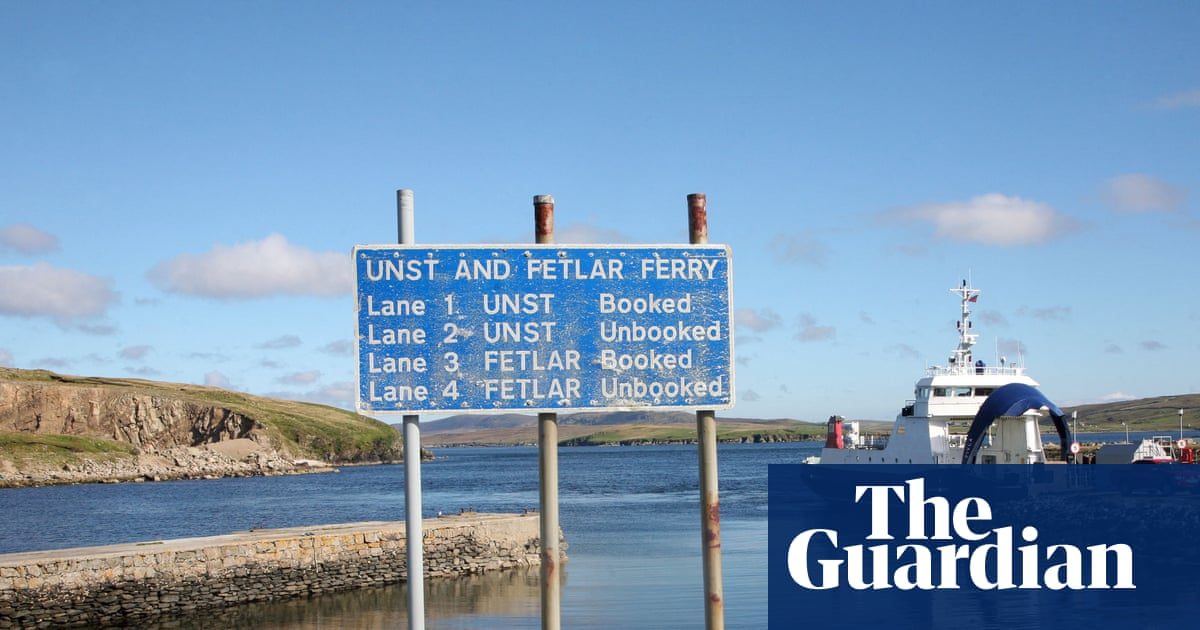
Shetland councillors have voted to pursue a £655m subsea tunnel project to replace failing ferries and secure the archipelago's vital seafood industry and future spaceport operations.
Shetland Islands Council voted on Tuesday to investigate financing for up to four subsea tunnels, starting with links between Mainland, Yell, and Unst. The first two tunnels will cost about £655m to build and take at least eight years to complete.
The infrastructure push is an attempt to halt a 24% population drop over the past 40 years. Ferries averaging over 32 years in age are increasingly unreliable, suffering from an ageing crew and frequent weather cancellations. This dependency drives isolation and threatens the local economy, which includes trawlers landing £147m of seafood annually alongside 22% of Scotland’s farmed salmon and 88% of its farmed mussels.
Connecting these islands is also critical for emerging sectors. Unst hosts SaxaVord, the UK’s only spaceport, which is scheduled for its first rocket launches later this year. Fixed links would remove a major logistical bottleneck for accessing the site and surrounding economic zones.
Shetland cannot afford the construction costs alone. Council leader Emma Macdonald said the local authority will press the Scottish and UK governments for help through the Scottish National Investment Bank or the national wealth fund.
The plans draw directly from European neighbours. Shetlanders have long cited the Faroe Islands and Norway, where subsea tunnels provide seamless connections. To make the project viable, the £352m Mainland-to-Yell tunnel and the £300m Yell-to-Unst tunnel could be part-financed by private investors and tolled.
Operating costs over the next 60 years are estimated at £162m. Councillors also agreed to pursue later tunnels to Bressay and Whalsay, with new ferries proposed for outlying islands.
Alice Mathewson, a spokesperson for the local tunnel action groups, said the links would be financially viable and lower-carbon than the current vessels. “These links will not only bridge geographical divides but also enhance the prosperity and wellbeing of our island communities,” she said. The Scottish government has provided £13m over the past two years to investigate transport upgrades, but a full funding deal could reinvigorate similar demands for fixed links in the Western Isles.