Burnham poised to revive Attlee-era state ownership model
Andy Burnham, certain to succeed Keir Starmer, is drawing on postwar nationalisation blueprints, signalling a potential shift in how the UK manages its core utilities.
Andy Burnham, the politician certain to succeed Keir Starmer, is preparing to place state ownership at the centre of his economic strategy. Unlike recent Labour leaders such as Tony Blair, Gordon Brown and Keir Starmer, he views nationalisation as more than simply a last resort for failing businesses.
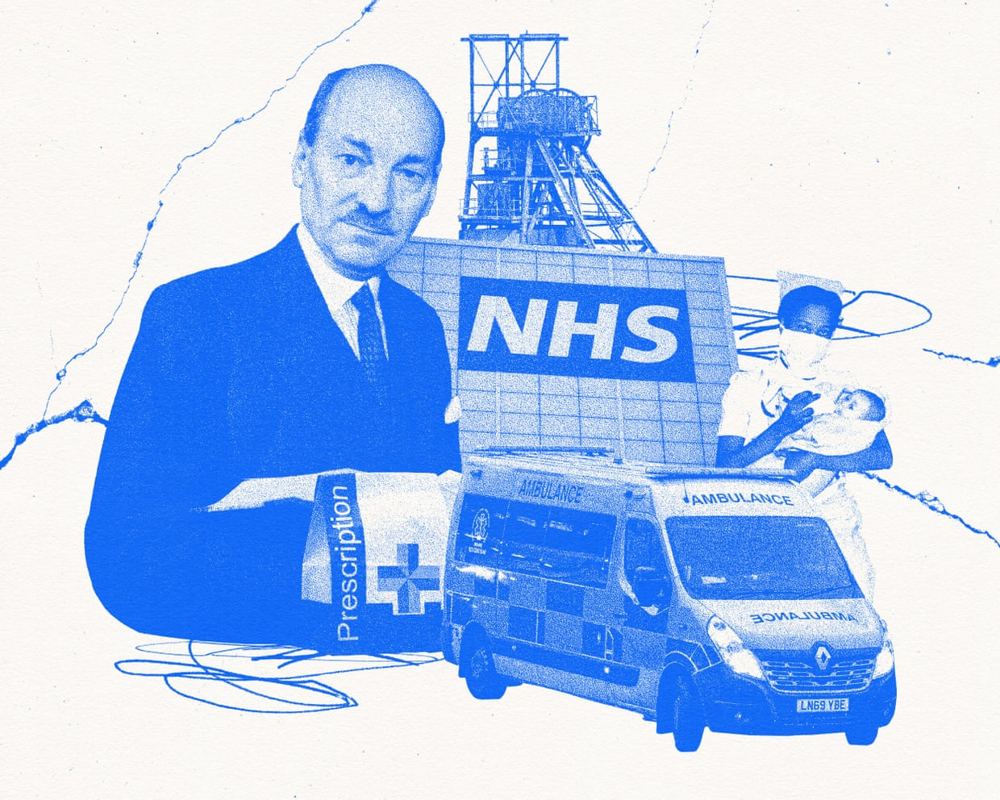
His approach draws directly from Clement Attlee’s postwar government, which by 1951 had nationalised 20% of the British economy. That administration pushed through a radical 1934 Labour programme to take state control of coal, rail, electricity, gas, iron and steel, alongside creating the NHS.
For markets and European investors, this represents a potential structural shift in how the UK manages its core infrastructure. The original 1934 blueprint targeted fuel, power, transport and heavy industry because they were deemed to have "failed the nation" through chronic underinvestment.
Attlee’s government executed these takeovers despite severe postwar debt, compensating former owners by issuing government bonds rather than cash. This effectively traded private assets for fixed-interest IOUs, a funding model that any future Burnham programme would likely have to replicate given current public finance pressures.
The historical record offers mixed lessons for the broader economy. By the 1970s, nationalisation had become synonymous with emergency rescues of companies like Rolls-Royce and British Leyland, creating a lasting image problem.
However, the idea that state-run sectors were grossly inefficient and overstaffed compared to private rivals is a myth. Between the oil shocks of 1973 and 1979, productivity growth in nationalised industries as a whole compared favourably with privately run manufacturing companies, with gas, telecoms and airways recording especially strong performances.
If Burnham translates his historical inspiration into concrete policy, it would mark a decisive break from the private-market consensus that has governed UK utilities since the privatisations of the 1980s and 1990s. European companies with cross-border energy and transport interests in the UK would face a radically different regulatory and ownership landscape.