Russia's seizure of Ukrainian homes tests EU reparation plans
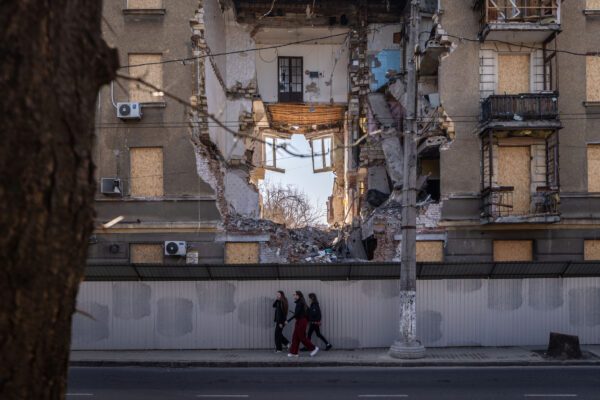
Russian occupation courts are systematically seizing the homes of displaced Ukrainians, placing the financial burden of their long-term displacement on European host nations and testing EU-funded reparation mechanisms.
Russian authorities in occupied Ukraine are using a legal pretext to seize the properties of displaced citizens. Courts installed by Moscow are declaring homes "ownerless" and transferring them into municipal ownership for redistribution to Russian passport holders, a practice Human Rights Watch found violates international law.
The only way for owners to protect their properties is to re-register them under Russian law by July. However, authorities have made this impossible without first obtaining a Russian passport. For refugees like Yevhen and Kristina, who paid off an 11-year mortgage in Mariupol just weeks before the 2022 invasion, the choice is to submit to the occupier or lose their home.
Russian authorities have systematically blocked alternative legal routes. Recent amendments classifying Ukrainians as citizens of an "unfriendly state" mean powers of attorney require special permission from notaries operating in occupied areas. Even having tenants pay utilities offers no protection, as courts rule that a lack of Russian registration alone justifies seizure.
Attempting to comply in person is perilous. Ukrainian passport holders must travel through Moscow’s Sheremetyevo Airport, where they face intrusive "filtration" including phone inspections. Most are denied entry and banned from Russia for 20 to 50 years. "It’s like they announce them ownerless while still admitting they have owners," said a displaced resident of Mariupol.
For European governments, this systematic asset stripping has direct economic consequences. Millions of Ukrainians who have lost their primary wealth now face a permanent inability to rebuild independently. This prolongs their reliance on European host nations for housing and financial support.
The path to resolving this crisis depends on the Register of Damage for Ukraine and the future Claims Commission, established by the Council of Europe to adjudicate harm claims. Sustained funding from the European Union and member governments is vital to make these compensation mechanisms operational. Without it, these property losses will remain a permanent barrier to Ukraine's economic recovery.