Rutte backs Burnham on UK's £300bn defence spending plan
Nato's chief has expressed confidence that the UK's likely next prime minister will honour a £300bn defence investment plan, signalling a major shift towards using military procurement to drive domestic economic growth.
The UK is set to publish a long-delayed 10-year defence investment plan on Tuesday, outlining more than £300bn of major military projects. The release follows the resignation this month of Defence Secretary John Healey, who stepped down over concerns the government was moving too slowly to meet a Nato target of spending 3.5% of GDP by 2035.
Healey quit after Starmer offered to reach only 2.68% by 2030, an increase of just £2bn from this year. However, months of internal wrangling have reportedly reduced a funding shortfall of £18bn to less than £4bn, helped by an extra £1bn recently secured by his successor, Dan Jarvis.
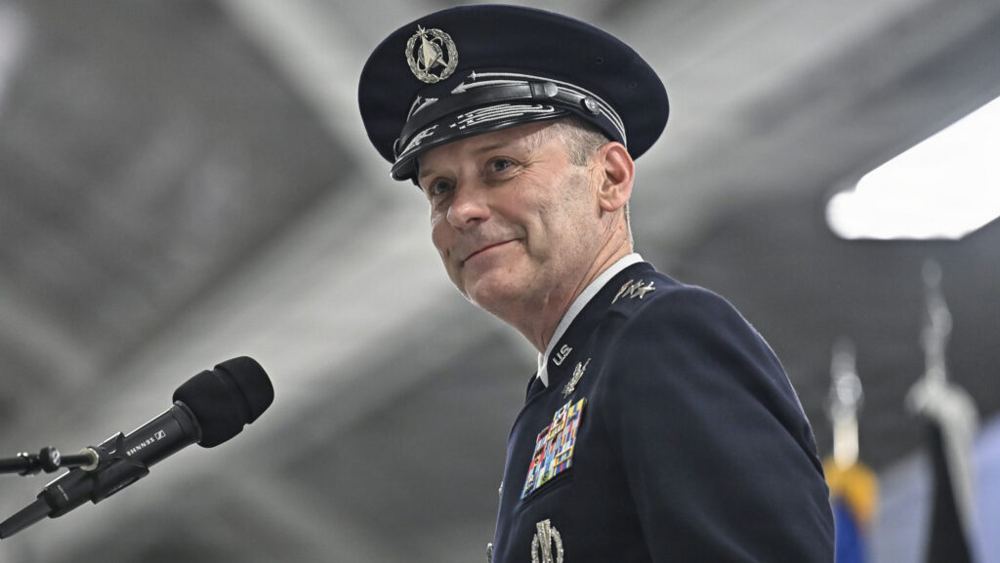
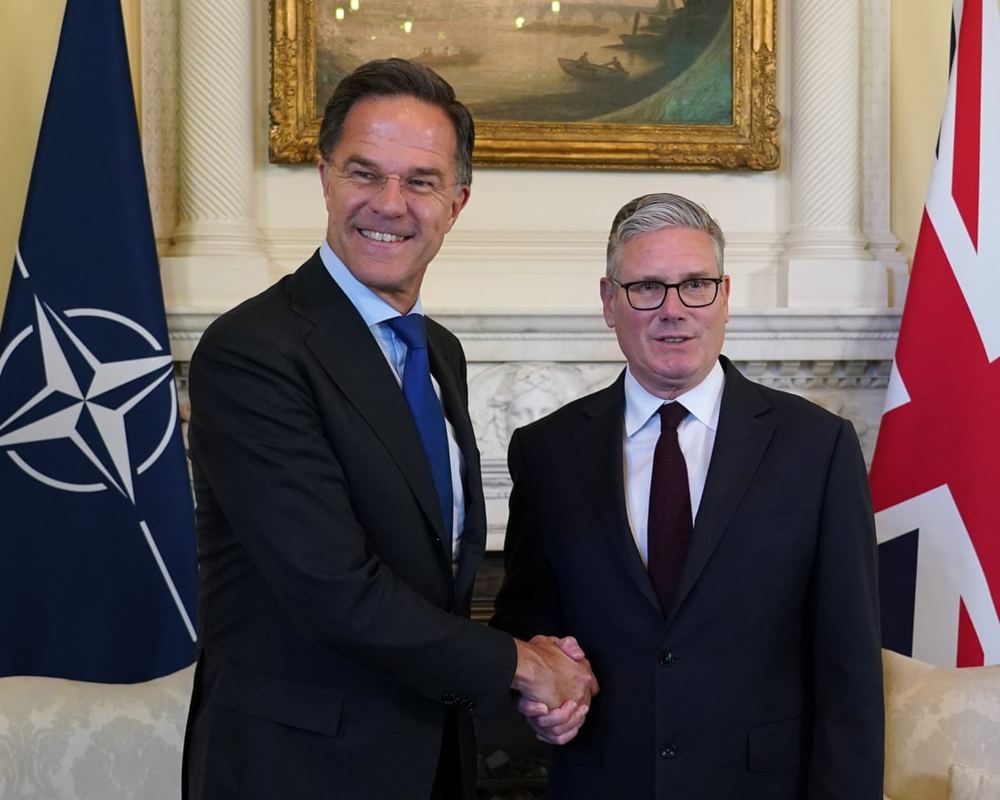
Nato Secretary General Mark Rutte said he does not expect the UK to hit the 3.5% target "in one big step". Yet, following meetings in London with Starmer, Jarvis and Foreign Secretary Yvette Cooper ahead of next week’s Nato summit in Ankara, Rutte said he was confident Andy Burnham would honour the long-term commitments.
Burnham is widely viewed as Starmer’s likely successor. Rutte argued that boosting UK defence spending by nearly £30bn a year should be viewed through an economic lens, not just a security one.
"Defence spending does two things at the same time," Rutte said. "One, your first priority as a government, keep the country safe, obviously number one. But also second [is the] impact of your defence investments. Next to keeping the country safe and strong, is [the fact] it will create jobs."
This economic framing mirrors comments Burnham made in Manchester on Monday. He criticised a procurement policy historically "based on chasing cut price deals around the world". Burnham signalled a shift, stating that "every pound raised from taxpayers will work harder for them, and that approach will apply fully to the defence investment plan."
For European defence firms and industrial supply chains, this signals a potential pivot in the UK market. A stated preference for domestic value extraction over lowest-cost foreign contracting could reshape how the £300bn pipeline is allocated.
The UK's incremental pace also stands out against its European peers. Rutte noted that Germany is on track to meet its defence spending targets "six years ahead of schedule" in 2029. Before departing Downing Street, Starmer was thanked by the Nato chief for "really pushing the rest of Europe and the world to stay very much involved in Ukraine" with military aid.