UK defence plan risks failing Nato 'Moscow test'
The UK is set to publish a long-delayed defence spending plan that leaves an £18bn funding gap, raising concerns among European allies about London's ability to deter Russia.
Dan Jarvis, the UK’s new defence secretary, has secured at least £14bn for a decade-long military investment plan, but the settlement leaves a multi-billion pound funding gap that a former military chief warns fails to deter Russia. The Defence Investment Plan, expected to be published on Tuesday, comes after Jarvis’s predecessor John Healey quit earlier this month over his failure to secure more than £13.5bn to plug an £18bn shortfall.
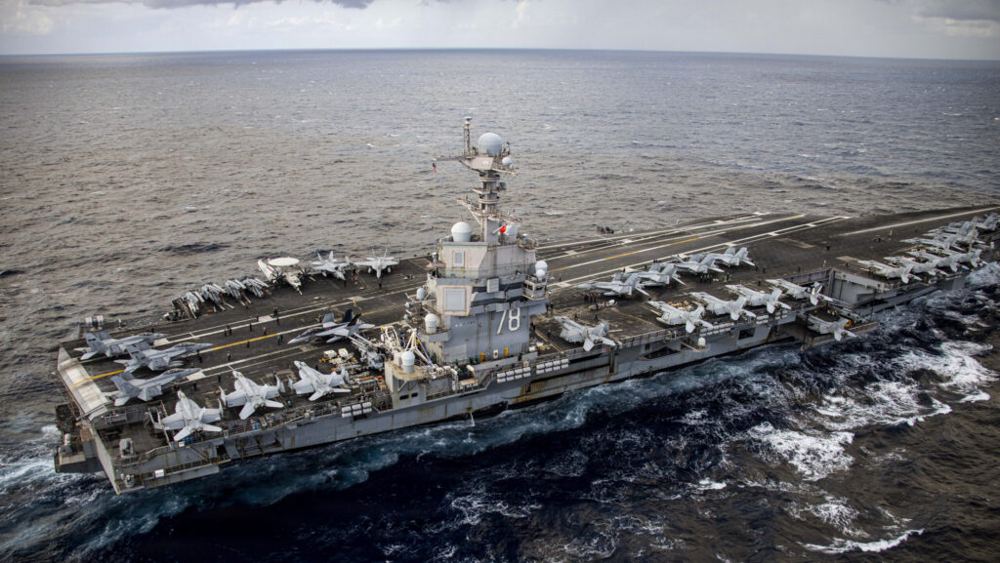
The funding constraints are forcing a structural shift in how the UK allocates its military resources, prioritizing autonomous systems over traditional surface fleets. The Ministry of Defence announced the construction of at least six hybrid warships designed as control hubs for uncrewed vessels, known as the Common Combat Vessel, to replace the current Type 45 destroyers in the early 2030s. Plans to replace the navy's broader fleet of ageing destroyers and frigates will no longer appear in this plan.
Steve Reed defended the pivot towards drones, telling Sky News: “We have to be ready for any future war and what that will be like, not whatever the last war was like.” However, the restructured spending raises immediate questions about the UK's conventional naval capacity at a time when European Nato members are scrambling to bolster deterrence against Moscow.
Adm Sir Tony Radakin, who served as chief of the defence staff until last year, said the plan must pass a “Moscow test” to assure allies the UK remains a credible military power. He noted the UK currently sits second from bottom in a Nato league table measuring capability requirements.
“It’s the Moscow test. What do we look like to Moscow? Do we look like a strong member of the Nato alliance? Do we look like a strong nuclear power? Do we look like a strong ally of America? Because those are the elements that keep us safe,” Radakin told the BBC.
A significant portion of the overall defence budget is already locked into the nuclear deterrent. Nuclear programmes will account for 20% of defence spending in 2025-26, a figure set to rise to 25% in coming years. The new Dreadnought nuclear submarine alone carries a £41bn price tag, while nine other nuclear projects cost more than £10bn each.
This leaves relatively little fiscal space for conventional forces as Nato allies push towards a long-term target of spending 3.5% of GDP on defence by 2035. There are concerns within the MoD that the current settlement simply defers too much of that financial burden to the period after the next general election.
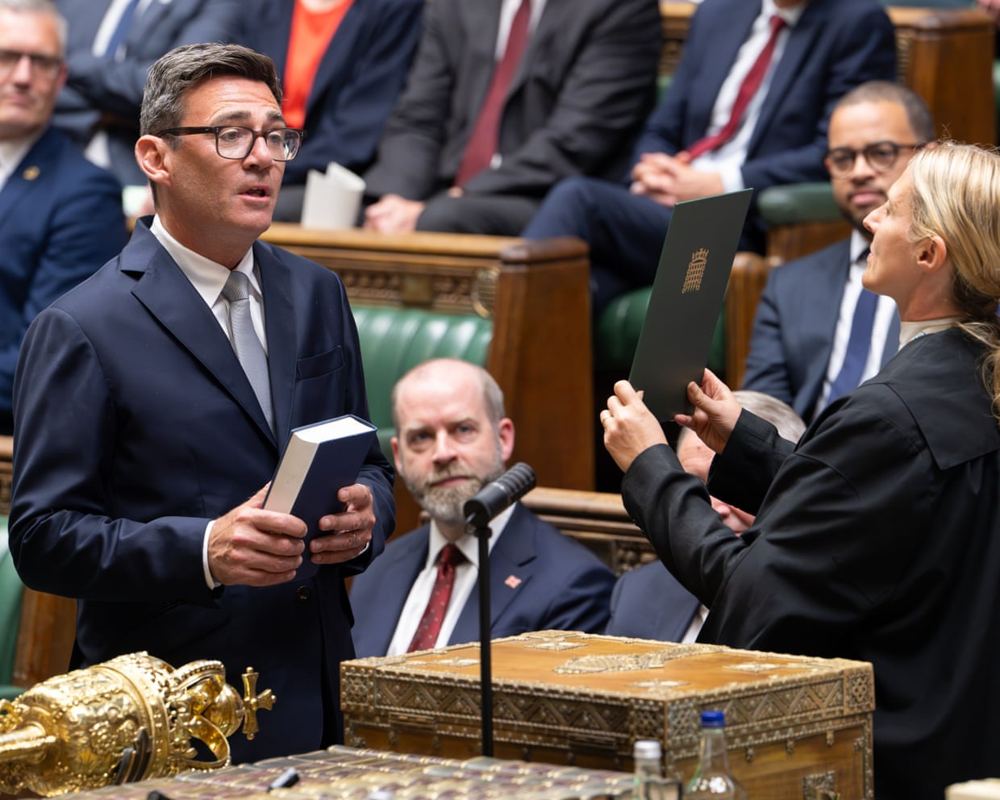
The political future of the funding deal remains uncertain. Andy Burnham, the probable next prime minister, could take office on 17 July. While his allies insist he would prefer the current funding row, funded partly by a 1% capital budget cut across other government departments, to be resolved now, they conceded he reserves the right to reopen the settlement if needed.
Outgoing Prime Minister Keir Starmer is meeting Nato Secretary General Mark Rutte on Monday ahead of the alliance’s summit in Turkey on 7 July, where the funding gap is likely to face scrutiny.