Clarke exit exposes Scotland's broken player pipeline
Steve Clarke's sudden resignation leaves Scotland's new football leadership to fix a broken youth development pipeline that threatens the national team's future.
Steve Clarke has resigned as Scotland head coach, just weeks after signing a four-year contract extension before the 2026 World Cup. Craig Mulholland, the new chief football officer, starts work this week facing the immediate task of replacing a manager who led the team to three major tournaments over seven years.
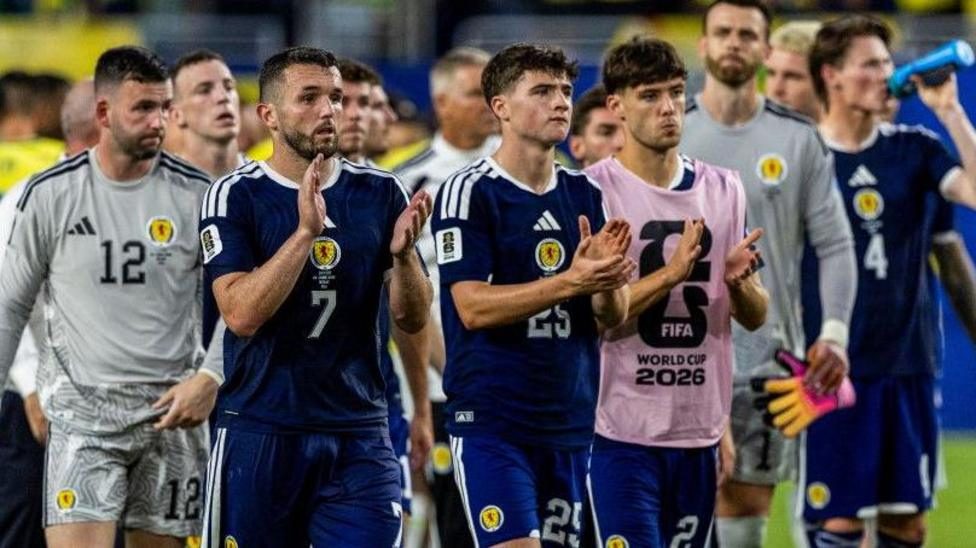
The new coach will inherit an aging squad that requires urgent regeneration. Six of the eleven starters in Scotland's World Cup defeat to Brazil were at least 30 years old, with two others aged 29. Key players including Andy Robertson, John McGinn and Ryan Christie have all passed 30, and Scott McTominay is 29.
Clarke noted the departing squad possessed almost a thousand international caps. He stressed that the current core is "not finished yet" and hopes younger players can "learn from the senior players". With Scotland hosting Euro 2028 and receiving a favourable qualifying route, there is short-term pressure to rely on this experienced group for a fourth consecutive major tournament.
However, bridging the gap to the next generation will be difficult because very few Scottish players aged between 22 and 26 are playing regularly at a high level. While midfielders Lewis Ferguson, Billy Gilmour, Tyler Fletcher and Lennon Miller offer hope, other positions are severely exposed.
The goalkeeping position is particularly weak, with World Cup squad members Angus Gunn, Craig Gordon and Liam Kelly having played minimal first-team football last season. In attack, Ben Gannon-Doak carried the burden of adding pace for two years before Findlay Curtis's recent breakthrough. Striker options below Tommy Conway and Kieron Bowie, both 23, are almost non-existent.
A lack of pace and athleticism has restricted Scotland in recent tournaments, contributing to three consecutive group-stage exits. "The pace some of these players are going at, it does leave us a bit in the shade," former winger Pat Nevin said. "We look a wee bit sluggish and not quite as athletic as them."
The root of the problem lies in domestic club structures. A 2024 report by the Scottish FA found that clubs were failing young players by denying them early first-team minutes. While co-operation agreements have created opportunities in the lower leagues, Nevin argued the solution requires a broader shift. "That's cultural, it's a lot bigger than football," he said.
Mulholland's previous roles running the academies at Rangers and Nottingham Forest mean he is well aware of these structural deficiencies. Sustaining the national team's recent success will depend on whether Scottish football can overhaul its player development system.