Lost WWII hell ship carrying British and Dutch POWs found in Philippines
The discovery of the Hofuku Maru ends an eight-decade mystery and offers long-sought closure to European families after 1,047 prisoners died in the 1944 sinking.
Divers have located the wreck of the Hofuku Maru off the coast of Luzon in the Philippines, resolving an 80-year mystery surrounding the fate of 1,289 British and Dutch prisoners of war. The Japanese freighter sank on 21 September 1944 after being torpedoed by American aircraft. Of those on board, 1,047 perished, making it one of the deadliest incidents involving Allied POWs in the Pacific theatre.
The prisoners were survivors of the Burma-Thailand "Death Railway" being transported in unmarked, unventilated holds with virtually no food or water. When Task Force 38 attacked the convoy, pilots had no way of knowing the ship was carrying prisoners. The vessel broke in two and sank in under three minutes.
For decades, the precise resting place of the Hofuku Maru remained unknown, leaving the families of the dead without a specific site to mourn. Fragmentary post-war records and conflicting survivor testimonies had frustrated previous searches. The discovery finally provides European nations and descendants with a tangible location to honour their dead.
The breakthrough came earlier this year when researcher John Duresky examined a digitised Japanese military file that had previously been overlooked. Written by officers on the convoy's flagship, the document included a detailed timeline and map of the attack. It specified that the Hofuku Maru was the second vessel in the formation when it was struck.
“We were absolutely stunned to discover that Japanese sources held information on where they attacked the convoy and which ships were hit,” said Randy Anderson, the founder of the Hellships Memorial Foundation. “It was the smoking gun.” By matching this with the action report of the USS Bunker Hill, researchers shifted the search area more than 50 kilometres south.
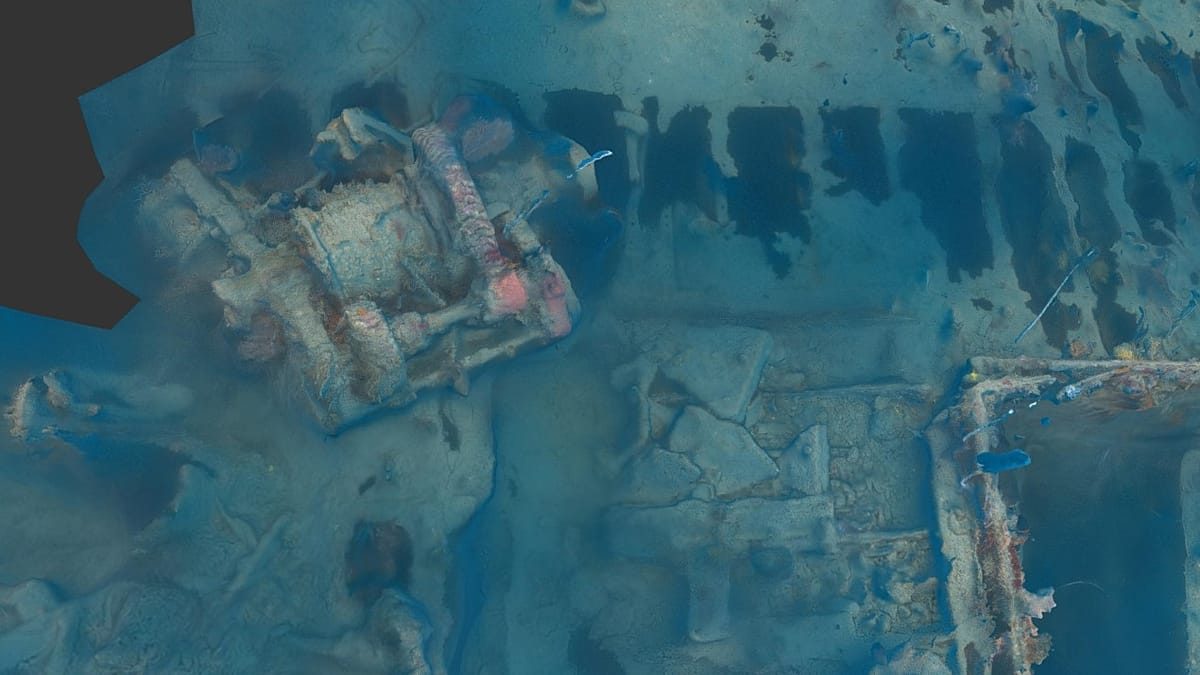
A team consisting of explorer Josh Gates, imaging specialist Evan Kovacs and archaeologist Calvin Mires then deployed sonar off Zambales province. They found the vessel at a depth of 50 metres, covered in volcanic ash from the 1991 Mount Pinatubo eruption. Five technical dives produced hundreds of photographs used to build a three-dimensional model of the wreckage.
The dimensions of the hull, the mast positions and the hold layout matched original shipyard plans. The wreck was found broken into sections, confirming both American and Japanese accounts of the immediate destruction. Because human remains were found among the debris, the site is now protected as a war grave under international law, and its exact coordinates are being withheld.
The Dutch government has announced it will coordinate with other nations to formally commemorate the victims. The Hellships Memorial Foundation is now reaching out to the families of those who died. While five other "hell ship" wrecks remain unaccounted for, the location of the Hofuku Maru closes a painful chapter for hundreds of European households.