The great aluminum squeeze: London supply crunch deepens as warehouse stocks slide
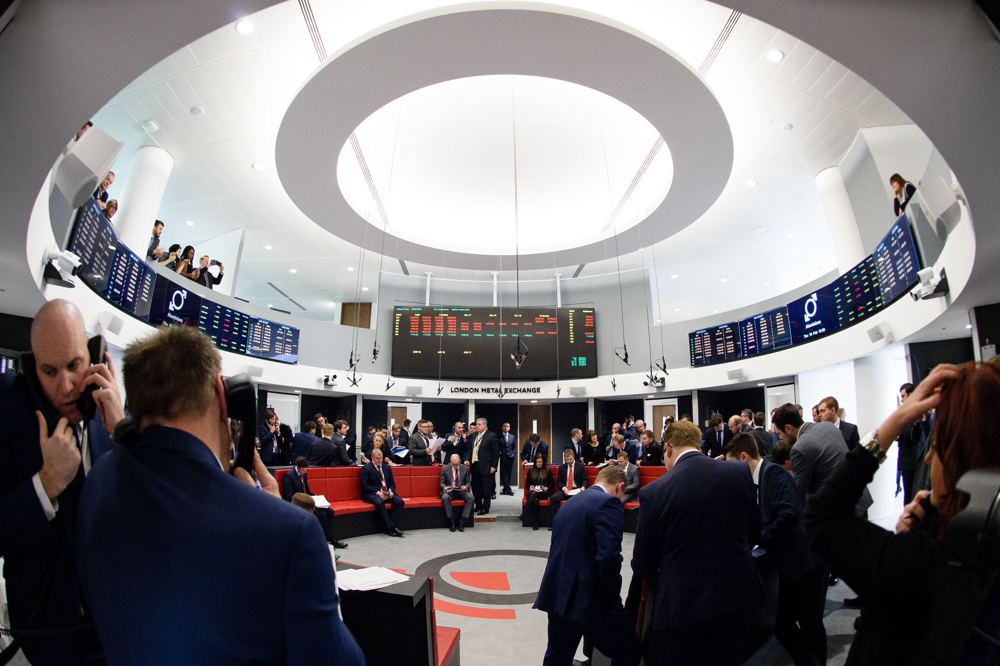
Iran war disruption has driven the historic London Metal Exchange's warehoused stock of aluminum to levels not seen in decades — forcing it to act.
Iran war disruption has driven the historic London Metal Exchange's warehoused stock of aluminum to levels not seen in decades, forcing it to act.
LME-registered warehouses' available aluminum stocks have declined by 51% since the war began in late February, according to a Nov. 10 Reuters report.
The Middle East accounts for about 9% of global aluminum supply. But now the overwhelming majority of stock in LME warehouses, more than 99%, is of Russian origin, a source many Western traders are unwilling to touch.
This created severe market backwardation, with the price spread between supply for immediate delivery and contracts for three-month delivery hitting $405 a metric ton on Monday, its highest since 1988.
A shortage of immediate supply can push business costs higher, particularly in sectors for which aluminum is critical, such as automakers, construction companies and can makers. Buyers with fixed-price supply contracts or hedges may only be insulated from costs for a while, and a hedge won't necessarily cover a jump in the local delivery premium.
Such a shortage might be expected to be a self-correcting problem. Traders, drawn by the extreme premium, would in theory bring metal into exchange warehouses.
"The LME would normally regard a backwardated market as a natural consequence of such an environment, and indeed would expect it to draw stock into warehouse," the exchange said in a statement on Tuesday, adding that "such backwardations" are not "inherently unhealthy for the market."
But warehouse inflows remain limited, the LME said, "due to (amongst other reasons) a combination of currently physical market tightness and a general market expectation of significant production expected to come on-stream through 2027."
The market is expected to swing from deficit to surplus in 2027, thanks to a recovery in Middle East production and improved Indonesian supply, contributing to backwardation. A factory with enough aluminum stock might wait to buy more if it expects cheaper metal next year, for example. A factory that needs metal this week can't wait.
The LME responded on Tuesday with new rules effectively making it cheaper for traders to delay delivery when borrowing from certain large position holders. If traders can postpone delivery for less, they don't have to bid as much for metal right now, taking pressure off the cash price relative to the three-month price.
The impact on the backwardation gap was immediate, narrowing from $331.50 to $89 a metric ton at the Thursday fixing after the first overnight session under the new rule.
Commodities strategists at ING, Ewa Manthey and Warren Patterson, in a note on Thursday also highlighted reports that the LME is moving to boost the amount of metal that can enter its warehouse system by approving delivery from an Indonesian producer and cutting the waiting time for new aluminum smelters to qualify their metal for delivery.
"More Indonesian supply should eventually help ease the underlying tightness," they said. "Indonesia is rapidly expanding aluminium production capacity."
However, the strategists said that while the LME's latest intervention "removes some immediate pressure at the front of the curve," inventories "remain low and spreads are still backwardated."
"We expect the squeeze to continue easing as positioning adjusts and more deliverable supply becomes available, although LME inventories remain historically low."