Turkey faces abuse claims after Afghan migrants lose limbs to frostbite
Allegations that Turkish border guards beat and stranded dozens of Afghan youths in sub-zero temperatures highlight the brutal reality behind Europe's outsourced migration controls.
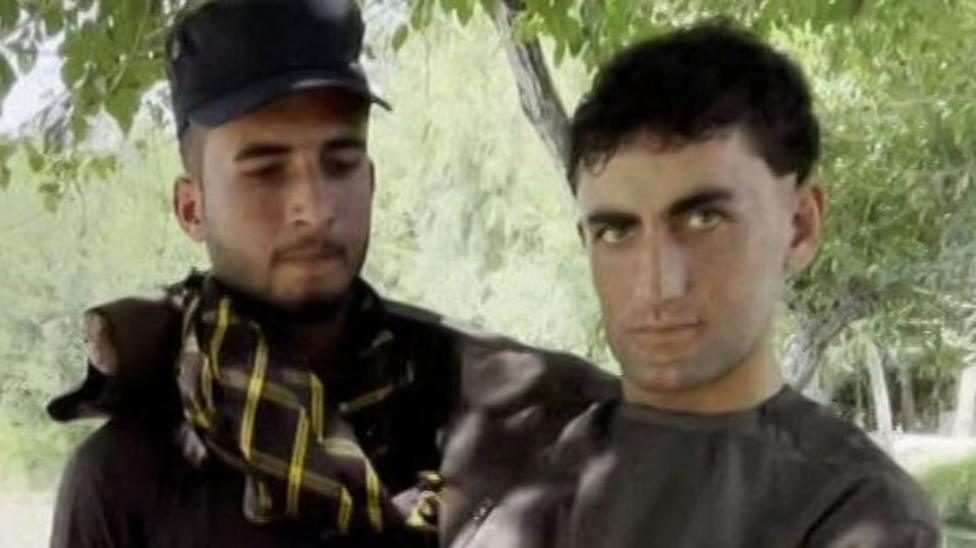
A dozen young Afghans have alleged that Turkish border guards beat them with iron rods, stripped them of their clothes, and forced them into sub-zero snow towards the Iranian border in January. The group, all aged 25 or under, stated that at least 20 of the roughly 50 migrants died of exposure. Eleven of the survivors who spoke out, including a 13-year-old boy, subsequently had limbs amputated due to severe frostbite.
The migrants were arrested in the eastern Turkish city of Van after crossing from Iran with people smugglers, where temperatures had plummeted to -15C. Shahsawar, 21, said guards detained the group in a freezing warehouse for several days, feeding them only dry bread and water while forcing them to clear snow. On 25 January, he said the guards beat the migrants with iron bars, broke some of their heads, and tied their hands before stripping them down to their trousers.
Forced to crawl on their stomachs toward a hill, the migrants were pushed through barbed wire in groups of eight during a heavy snowstorm. Shahsawar sheltered behind a rock with 13-year-old Asim and Ahmad, where Ahmad later died in his arms. "Ahmad was lying in my arms. And after a while, I noticed that he had stopped breathing," Shahsawar said. Another boy, Danial, became lost immediately and was later found dead in the snow.
Asim was eventually discovered by other migrants and saved after pointing toward Shahsawar's rock. However, the survivors were refused hospital treatment in Iran before being transferred to Kabul by the Red Crescent Society in early February. By then, the frostbite had turned parts of their bodies black, forcing surgeons to amputate both the hands and legs of Shahsawar and ten others.
Migration lawyers and activists in Van said these accounts fit a broader pattern of abuse at the border. Åafak Bozkurt, who chairs the Van Bar Association Human Rights Centre Migration and Asylum Commission, noted familiarity with such push-backs and hypothermia cases. Activist Zakira Hikmat linked the increasing danger to heightened Turkish border surveillance that has forced Afghans onto more perilous routes since 2021.
For European policymakers, the allegations carry direct implications for the bloc's external border strategy. Turkey functions as the European Union's primary buffer against irregular migration from the Middle East and Asia. While declining to address the specific allegations, the Turkish foreign ministry claimed its measures meant flows toward the EU had been "almost completely halted."