UK bank tax clash risks London's competitive edge
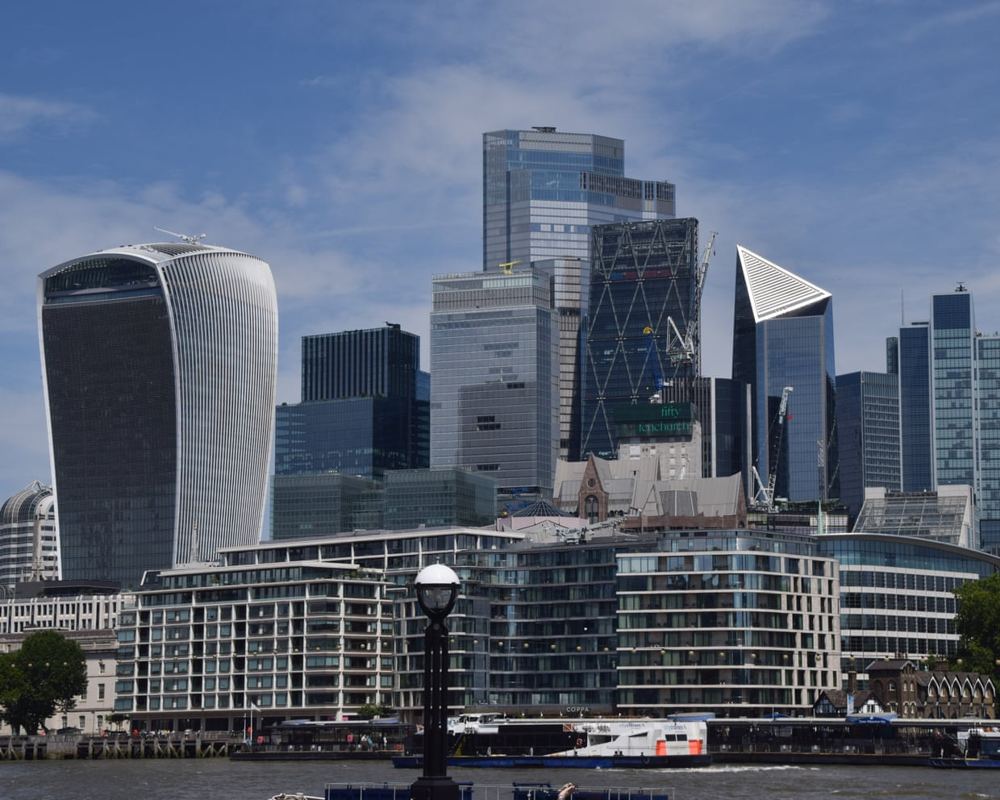
A proposed windfall tax on UK banks by likely next prime minister Andy Burnham has triggered a fierce clash with City lobbyists, threatening London's competitiveness against European and US financial hubs.
Andy Burnham, the politician widely expected to replace Keir Starmer as the UK's next prime minister, is weighing a windfall tax on banks to fund winter cost-of-living support. The proposal has sparked an immediate clash between trade unions demanding relief for struggling households and City executives who warn it would damage the country's most productive sector.
Union leaders argue banks should contribute more after sustained interest rate hikes fueled bumper profits across the sector. NatWest posted £7.7bn in pre-tax profits for 2025, up 24%, while Lloyds climbed 12% to £6.7bn and Barclays rose 13% to £9.1bn. Barclays is now preparing £15bn in shareholder payouts between 2026 and 2028.
The Trades Union Congress (TUC) estimates the government could raise £9bn over four years by reversing a previous Conservative cut to the banking surcharge. TUC leader Paul Nowak urged Burnham to ignore “vested interests”, stating: “When one in five people are skipping meals, you can’t afford to be held hostage by people defending the status quo.”
Bankers counter that the UK's tax burden is already uncompetitive compared to European and American rivals, a critical issue as London seeks to maintain its status post-Brexit. Industry group UK Finance calculates the total tax rate for UK banks reaches 46.4% when factoring in employment taxes and VAT. This compares unfavourably with 38.9% in Frankfurt and 27.9% in New York.
One senior banker labelled the potential tax “economic suicide”, arguing financial services is a rare growing sector that should be emulated rather than penalised. Profits have recently been boosted further as interest rates rose in response to the US-Israeli war on Iran. The industry fears additional levies will drive investment and jobs to rival financial centres.
The debate carries immediate consequences for major real estate and employment investments. JP Morgan's £3bn plan for a new Canary Wharf headquarters, approved last autumn after banks were spared fresh tax hikes, could be scrapped if the incoming premier proves hostile. The bank's boss, Jamie Dimon, recently issued that warning directly.
Burnham's own policy advisors are pushing back against the union demands. Jim O'Neill, the former Goldman Sachs chief economist assisting Burnham, told Sky News that the government “certainly shouldn’t raise” taxes on business. City lobbyists are currently holding fire, waiting to see who Burnham appoints as chancellor before formally mobilising their opposition.