Southern French Wildfires Disrupt Tourism as Heat Deaths Hit 1,000
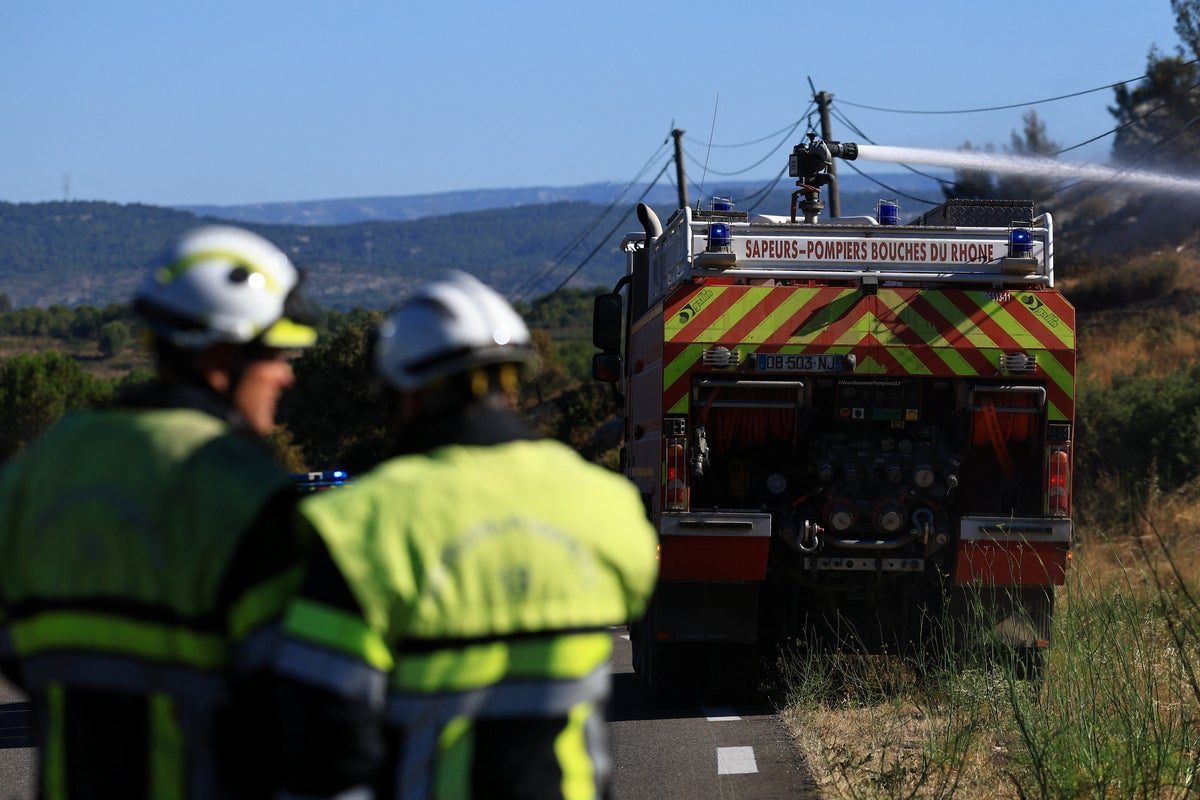
Raging wildfires across southern France have forced thousands of tourists to evacuate and disrupted transport links, highlighting the mounting economic and human cost of Europe's extreme heatwaves.
Firefighters are battling three major wildfires across southern France that have destroyed 1,210 hectares of land, forced thousands to evacuate, and disrupted transport links.
The blazes arrive at the peak of the summer tourist season, threatening a vital economic sector. In the Var department, authorities evacuated more than 2,000 people from six campsites near the resort town of Frejus, located just 35 kilometers from Cannes. Near Marseille, smoke from the fires drifted over the city's airport, where pilots were forced to reassure landing passengers that the acrid smell was not originating from their aircraft.
The largest incident spans 900 hectares in the Aude department near the Spanish border. Efforts to contain it have tied down 800 firefighters, who are severely impeded by powerful winds. A separate 260-hectare blaze in Lancon-Provence has been brought under control, while crews continue to work on a smaller fire near the Marseille airport in Rognac. French officials reported no casualties from these specific blazes.
A mounting public health burden
The physical damage compounds a severe public health crisis. Health authorities estimate the late June heatwave caused approximately 1,000 excess deaths in France alone. The World Meteorological Organisation had warned that the record-breaking temperatures, combined with low humidity and desiccated vegetation, would significantly elevate wildfire risks across Western Europe. France's weather office is now warning that another spell of extreme heat could arrive next week, threatening further economic and infrastructural strain.
Continental response and risk
The wildfire threat remains acute across the continent, even in regions spared the recent heatwaves. In Greece, a father and his 12-year-old son were killed by a fire near Thessaloniki on Tuesday, leaving the boy's mother hospitalized with burns. On Wednesday, 135 firefighters and 25 aircraft were deployed to central Greece's Fthiotida region to battle a separate forest and agricultural fire, prompting the evacuation of two villages. Three additional fires in Halkidiki, Salamina, and southern Greece were quickly contained.
Southern Europe's increasing vulnerability is driving significant state investment in disaster response. Greece recently integrated a dedicated array of four low-orbit satellites, launched in May, to monitor for wildfires. The technological upgrade reflects the new reality for European economies: the 2023 fire in northeastern Greece became the largest ever recorded in the EU, following a 2018 blaze east of Athens that killed more than 100 people.