UK shop facial recognition to trigger instant police alerts
Civil liberties groups say Facewatch system in stores such as Sainsbury’s and B&M is ‘dangerous escalation’ Facial recognition technology in shops will soon alert police in real time to the presence of serious offenders, with civil liberties groups warning of a “dangerous escalation” towards surveillance and criminalisation in the retail sector. Facewatch, a facial recognition system used by more than 100 businesses including Sainsbury’s, B&M and Spar to monitor thieves, said it was launching a UK-first feature to “alert police instantly when the most serious offenders trigger a live f
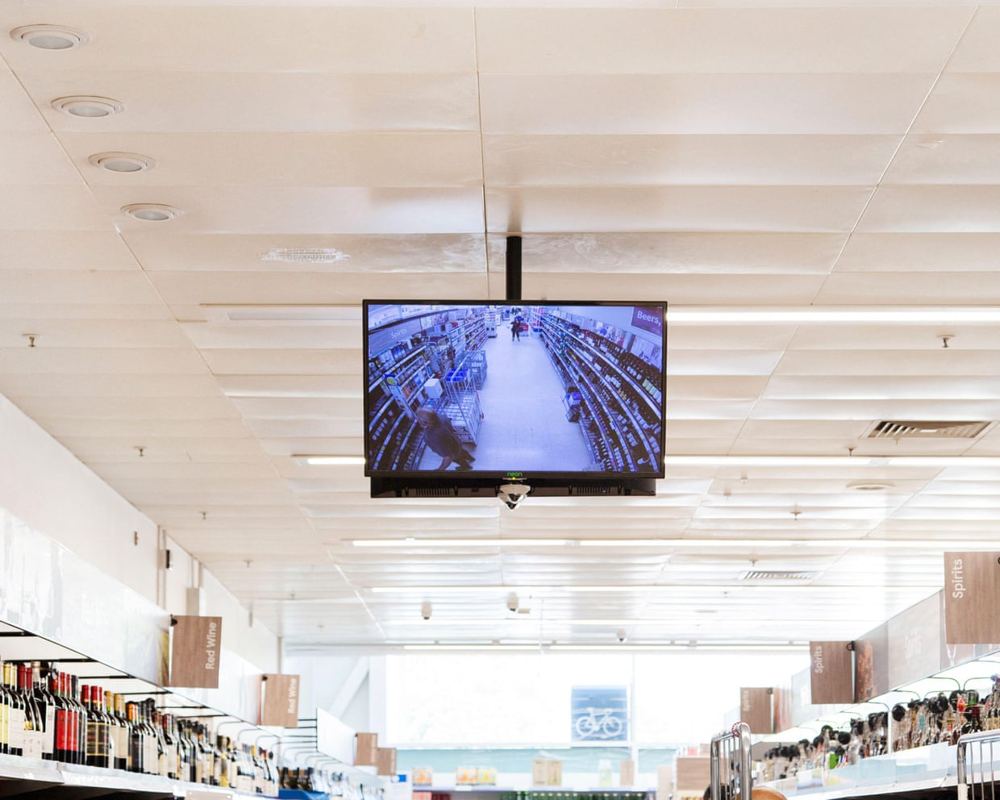
Facewatch, a facial recognition system used by over 100 UK retailers including Sainsbury’s, B&M and Spar, is launching a feature this autumn that will notify police within an average of four seconds when a serious offender is detected. The company says the tool targets only the most prolific offenders rather than the general public.
The deployment comes amid a sharp rise in retail crime, with 509,566 shoplifting offences recorded in England and Wales in the year to December 2025. The British Retail Consortium has warned that theft and violence are "spiralling out of control," prompting Sainsbury’s to expand Facewatch from 55 stores to more than 200 by year-end.
Facewatch reported alerting retailers nearly 300,000 times in the first half of 2026 that a "known repeat offender" had entered a store. Chief executive Nick Fisher framed the instant police alerts as a "unique technical development" aimed at the small number of prolific offenders causing disproportionate harm.
However, civil liberties groups and UK biometrics watchdogs warn the technology has shot far ahead of regulation. Nuala Polo of the Ada Lovelace Institute noted that planned UK government legislation for facial recognition will not apply to the private sector.
"If we agree this technology poses significant risks in police use, but we continue to let it be used unchecked in the private sector, there’s a discrepancy there," Polo said. "We could be creating backdoors into this technology that is partnered with the police but isn’t held to the same standards."
Big Brother Watch criticised police for "inserting themselves into this cowboy operation," arguing people would be matched against a "secret blacklist compiled by unaccountable businesses." Liberty’s Charlie Whelton criticised the idea of alerting police to someone who had not yet committed a crime in that instance. "It’s not against the law to walk into a shop even if you’ve committed crimes in the past," he said.
Evidence indicates black and Asian people are more likely to be falsely identified by the systems than white people. Shoppers wrongly flagged by Facewatch have previously been forced to leave stores, describing the experience as "Orwellian" and leaving them feeling "guilty until proven innocent."
Sarah Lasoye of Open Rights Group argued the surveillance technology fails to address the economic drivers of shoplifting. “Fundamentally, it’s an infringement of data and privacy rights,” she said, warning it only serves to "further criminalise working-class communities."