Swiss emergency services urge public to avoid ERs in heat
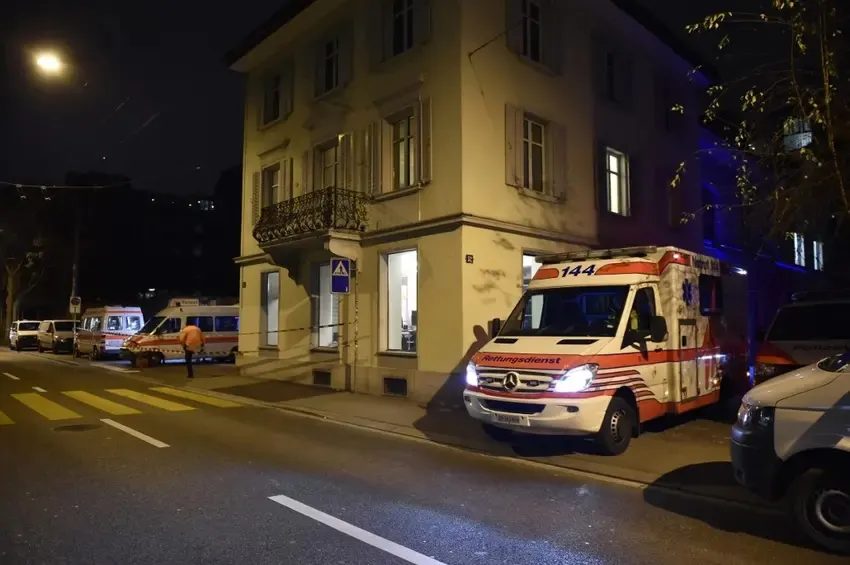
Extremely hot weather can cause many people, and not just the elderly, to feel unwell. But Switzerland has strict rules about the use of hospital ERs. How do you know whether the use of emergency services is justified during a heatwave?
Swiss emergency services are facing mounting pressure during the current heatwave. In response, senior medical staff have issued strict guidance on when hospital treatment is actually necessary.
Unlike some countries where ambulances are routinely called for minor ailments, Switzerland limits emergency room access to life-threatening situations. Minor cases are currently putting an unsustainable strain on the system.
Thomas Sauter, head of the University Clinic for Emergency Medicine at Inselspital in Bern, warned that people often misjudge the severity of their symptoms in hot weather. He advised the general public, excluding babies, young children, the elderly, and those with chronic conditions, to remain calm and avoid automatic hospital visits.
Sauter clarified that simply feeling sweaty and uncomfortable from overheating is “not a medical term, more of a temporary condition." The required treatment is moving to a cooler area and drinking water. Heat exhaustion, which involves significant fluid and salt loss, also does not immediately warrant an ER visit. “Once again, the motto is: cool down, cool down, cool down,” Sauter said.
However, ignoring these baseline conditions can quickly escalate the strain on the healthcare system, as “if someone suffers a true heatstroke, this can lead to organ failure and consequently death.” Sunstroke only requires emergency care if it causes severe headaches, vomiting, confusion, or loss of consciousness, which “is clearly a case for the emergency room." In those extreme cases, ambulance or helicopter transport becomes necessary.
True medical emergencies remain clearly defined: heart attacks, strokes, head trauma, severe respiratory distress, heavy bleeding, and serious injuries where treatment delays risk life or health. For anything less severe during a heatwave, residents are being directed to primary physicians or city walk-in clinics to keep emergency infrastructure clear.
Tourists and residents without a local doctor can instead call regional duty doctor services, which operate 24/7, including nights, weekends, and public holidays. Triage staff assess symptoms over the phone to determine if a patient needs hospital care, a home visit, or simply time to recover.
Contact numbers for these duty doctors vary by canton. The dedicated lines include 0800 33 66 55 in Zurich, 022 748 49 50 in Geneva, 061 261 15 15 in Basel, and 0848 133 133 in Vaud.