European music fans prioritise live performance and physical media over chart success
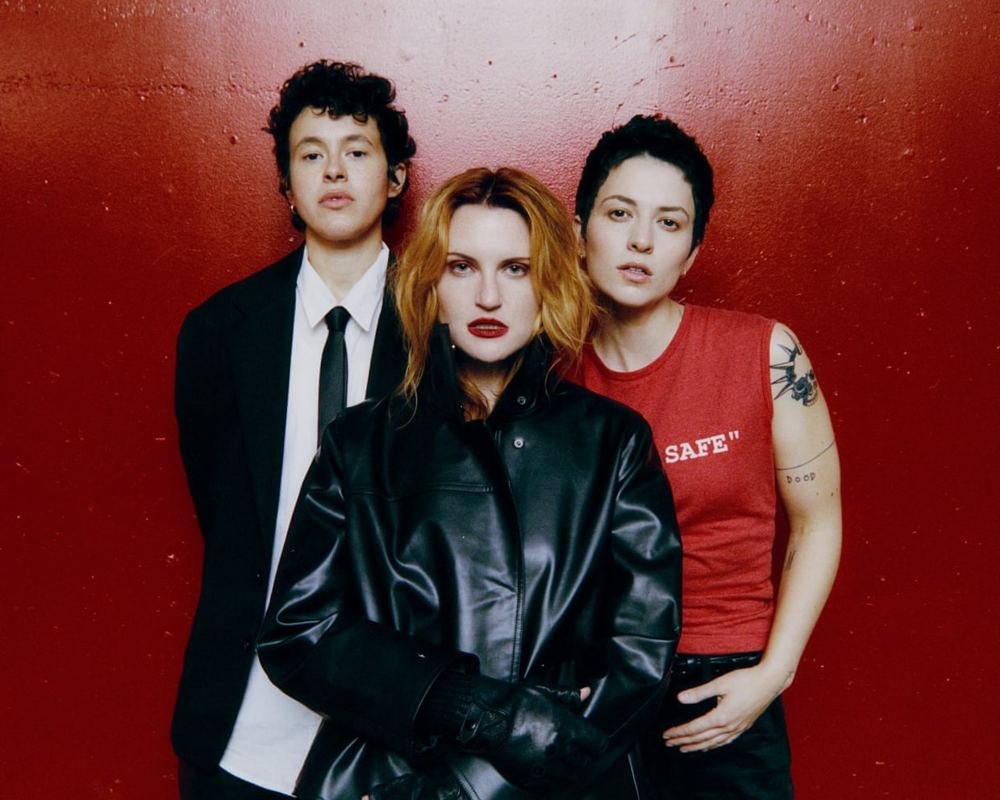
After the Guardian’s music critics chose their best of the half-year, we asked you for your picks – from Brian Jackson and Arlo Parks to Maya Hawke, Flea and more • The best albums of 2026 so far • ‘I saw it seven times in the cinema’: readers’ favourite films of 2026 so far The album is a fun, punchy dance record that will definitely be the soundtrack of my summer. It’s propulsive, full of queer joy, cheeky lyricism, and relatable insecurities as they ruminate on “being past their prime” as pop stars in their early 30s. It will undoubtedly be an amazing live show and is a testament to the imp
European music consumers are demonstrating a clear divergence between traditional chart success and actual market viability. This trend is evident in recent reader feedback regarding the year’s most notable album releases across the continent.
While mainstream metrics often dictate industry investment, audience behaviour suggests a stronger economic reliance on live performances and direct fan support. For instance, artist Aldous Harding recently failed to chart with her latest release, yet continues to sell out concert venues, maintaining dedicated followings in cities like Bristol.
This pattern indicates that dedicated fanbases can sustain an artist’s touring revenue independently of mainstream radio play or streaming algorithms. The live music sector remains a critical financial pillar for musicians who cultivate deep, rather than broad, audience engagement.
Physical media also retains unexpected purchasing power in this evolving market. The group Boards of Canada recently issued their first release in 13 years, prompting immediate vinyl purchases from fans at retail listening events. This demonstrates that long gaps between releases can generate pent-up demand for tangible products, challenging the assumption that constant digital output is required.
Furthermore, the trajectory of artist Raye illustrates the long-term conversion of live festival exposure into sustained album consumption. Following a widely viewed 2024 Glastonbury performance, her latest record has captured significant audience goodwill and commercial interest. This proves that major festival slots remain highly valuable marketing investments for long-term catalog growth.
Industry observers note that artists taking strategic breaks to develop their craft are being actively rewarded by audiences. Whether it is the group Muna emphasising the need for rest, or musicians dedicating years to mastering instruments before a solo debut, listeners value authentic lived experience. This consumer preference could fundamentally influence how record labels structure future artist development contracts.
Ultimately, the 2026 landscape suggests that the European music economy is increasingly driven by niche loyalty and authentic artistic cycles. It also highlights the enduring financial value of the live concert experience and physical media sales.