£1 tickets bring theatre to Cornish banger racers in radical arts experiment
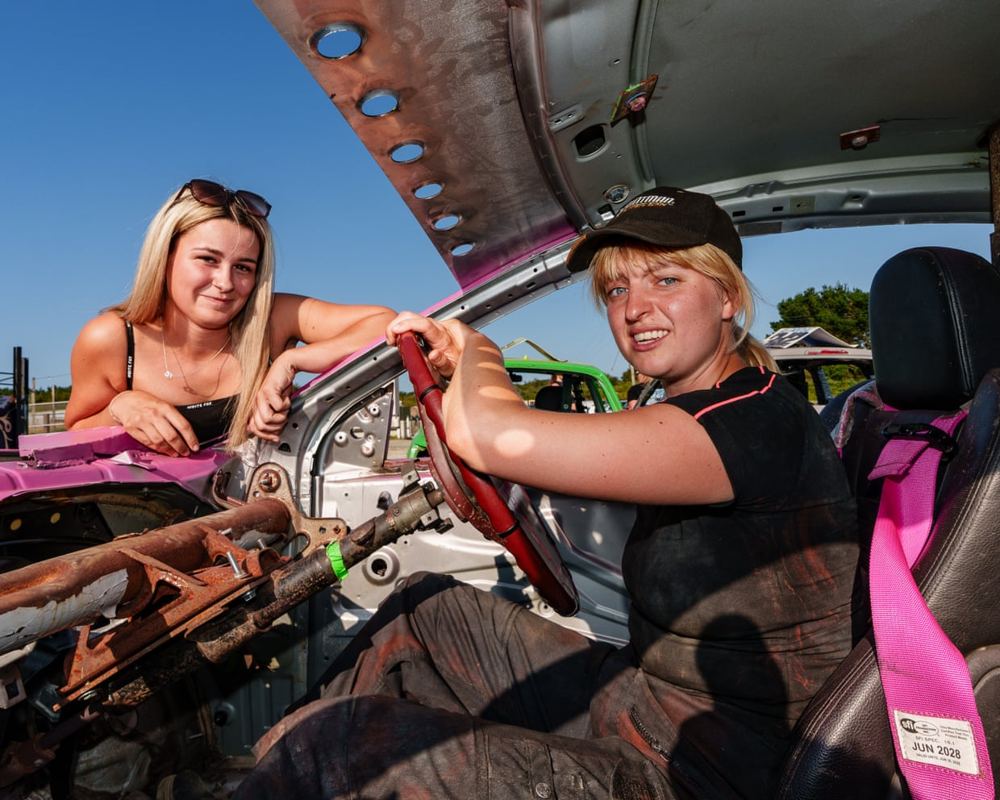
The Kneebone Cadillac is about a sport in which community is fostered yet collisions are encouraged. Actors, audiences and drivers explain the rush Lexi Crosbie was five days old when she went to her first ever banger race. “I grew up around the track,” the 14-year-old says. At nine, her racer dad gave her a chance at the Micro F2s, the junior league, and Crosbie has been racing ever since. “You’re so filled with adrenaline,” she says of the motorsport. “It’s the best feeling ever.” This month, Crosbie went to her local Cornish track, United Downs Raceway (also known as St Day), for a differen
United Downs Raceway in Cornwall is hosting "The Kneebone Cadillac," a play by Carl Grose performed directly on the tarmac, with tickets starting at just £1. The production, running until 29 July, brings amateur motorsport to the stage while deliberately sacrificing profit to keep the arts accessible to the local racing community.
The staging highlights a broader challenge in European public life: the disconnect between traditional arts institutions and working-class communities. Director Kyla Goodey was determined that the show should not exclude the people it portrays. Track co-promotor Crispen Rosevear cleared the venue's schedule to accommodate the production by Wildworks, despite it not being a moneymaker. "I do it out of my love for the play," Rosevear says.
United Downs, built on a former tin mine, has become a vital community anchor for Cornwall's racers as other regional tracks have shut down. The radical £1 pricing mirrors the track's existing economy of mutual aid, where drivers rely on each other for spare parts and mechanical help. "If anything goes wrong," says 14-year-old racer Lexi Crosbie, "you’ve always got someone there to help you fix it."
The play itself follows young racer Maddy Kneebone through a chaotic inheritance involving a precious Cadillac and a stash of gold. For the regulars attending, many of whom had never seen a theatre show, the production reflects their reality. "The crowd are there for the crashes," acknowledges Leeta Rawling-Aldridge, a 27-year-old local racer.
The event also underscores shifting demographics within a historically male-dominated sport. Women like 19-year-old Caitlin Emery, a multiple championship winner, are now competing in national categories where aggressive contact is permitted. Like the theatre production, the sport operates at a financial loss for its participants, funded purely by passion. "You can’t buy excitement like that," Rosevear says.
By merging grassroots theatre with a regional motorsport subculture, the production demonstrates that cultural engagement can thrive outside conventional venues. As Grose notes, the goal was to capture the authentic spirit of the Raceway: "Chaotic and thrilling and a little bit dangerous."