Could this mysterious disappearing organ hold the key to longevity?
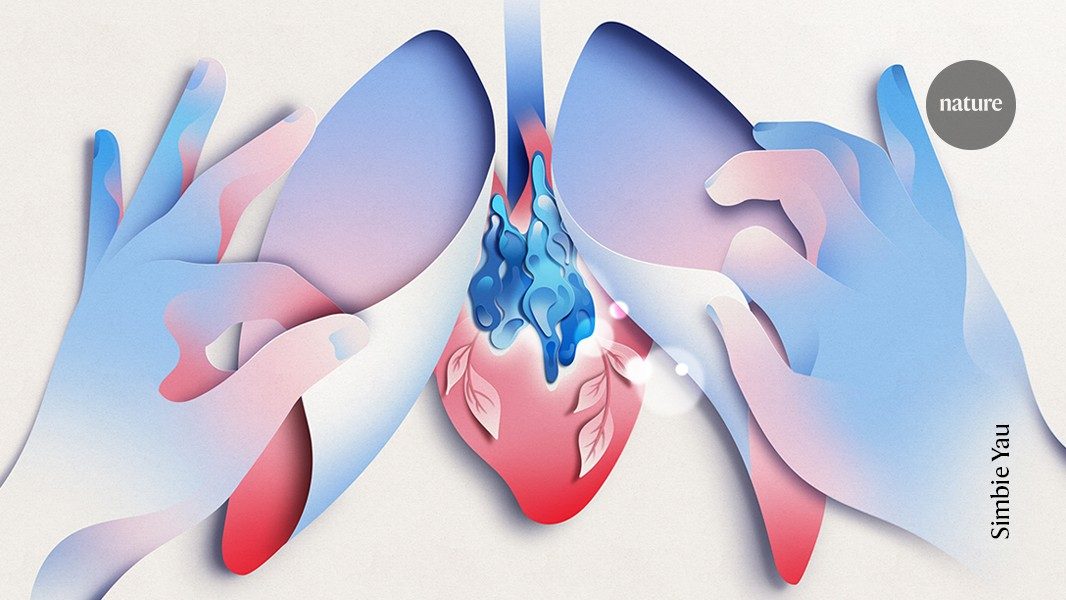
Researchers are racing to regrow the thymus, an ephemeral immune organ, in the hope that it will slow ageing.
In 1996, cryobiologist Gregory Fahy walked into his physician’s office and talked his way into a month’s supply of growth hormone. His hope, bolstered by a single study in rats 1 , was that the injections would help him to regrow his thymus, a peculiar immune organ that atrophies and practically disappears as people age. Regenerating it, Fahy thought, would help him to live a longer, healthier life.
Prices may be subject to local taxes which are calculated during checkout
Kelley, K. W. et al. Proc. Natl Acad. Sci. USA 83 , 5663-5667 (1986).
Bains, I., Thiébaut, R., Yates, A. J. & Callard, R. J. Immunol. 183 , 4329-4336 (2009).
Kooshesh, K. A. et al. N. Engl. J. Med. 389 , 406-417 (2023).
Resio, B. J., Canavan, M., Caturegli, G., Detterbeck, F. & Boffa, D. J. J. Thorac. Oncol. 21 , 186-194 (2026).
Sutherland, J. S. et al. J. Immunol. 175 , 2741-2753 (2005).
Tech titans are hacking their bodies for a longer life: is there science behind their methods?
Is the peptide craze backed by science? The promise behind the hype
Testosterone therapy is trending. Who really needs it, and why?
How your brain controls ageing, and why zombie cells could be key
Sleuth identifies dozens of studies that used the wrong antibody
How do people live beyond 110? Abundance of cancer-killing cells might be key
First-of-its-kind narcolepsy drug opens door to new therapies for the brain
HIV vaccines guide rare immune cells to make broadly neutralizing antibodies
Does the shingles vaccine cut heart-disease risk? Mounting evidence suggests a link
A binding-to-release strategy for targeted anticancer drug delivery
Researcher, heal thyself: meet the scientists studying their own diseases
Dongguan Institute of Materials Science and Technology, Chinese Academy of Sciences (DIMST, CAS)
The University of Texas Southwestern Medical Center (UT Southwestern Medical Center)
Tohoku University invites applications for Tenure-Track Principal Investigator (PI) positions in medicine and dentistry.