UK unveils overnight social media curfew for 16- and 17-year-olds
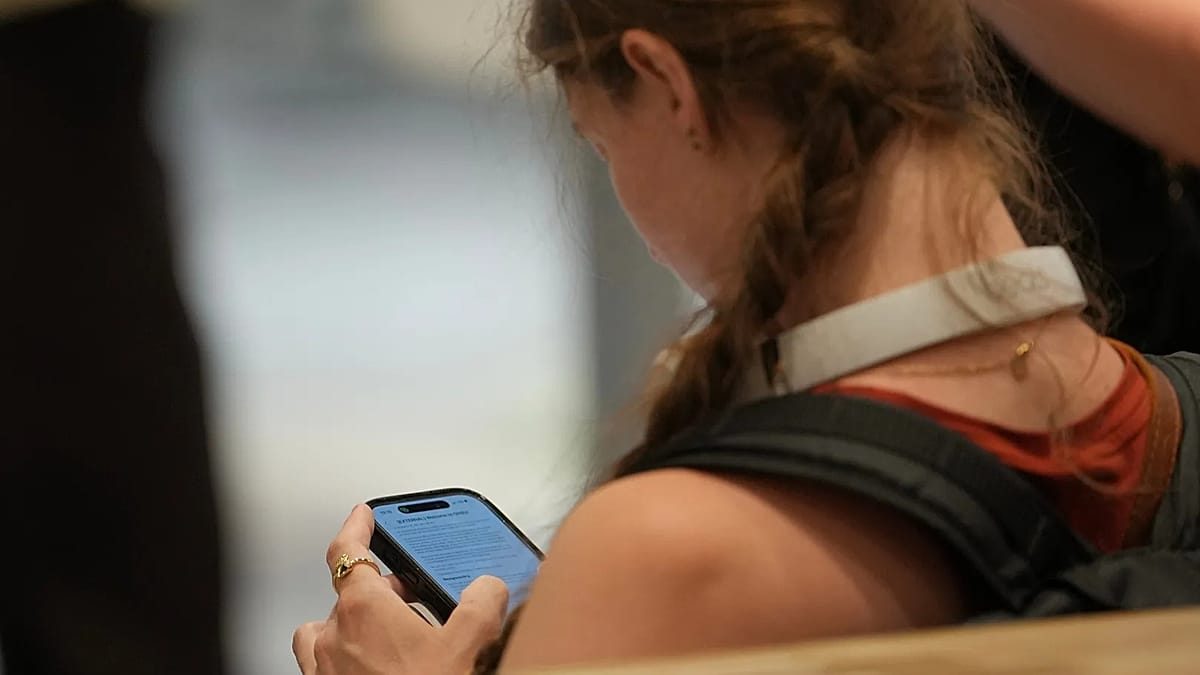
The ban will apply to platforms including Snapchat, TikTok, YouTube, Instagram, Facebook and X, but not messaging services such as WhatsApp and Signal.
The British government announced plans on Wednesday to introduce a voluntary overnight social media curfew for 16- and 17-year-olds. The proposal targets major platforms including Snapchat, TikTok, YouTube, Instagram, Facebook and X, though messaging services like WhatsApp and Signal remain exempt. Auto-playing videos and other features designed to extend scrolling will also be switched off by default for this age group.
For the tech companies involved, the measures represent a direct intervention into the engagement mechanics that drive advertising revenue. By forcing platforms to disable infinite scroll and auto-play features by default, regulators are challenging the core product designs that maximize time-on-app. As one of Europe's largest digital economies, the UK's approach often influences broader continental regulatory thinking regarding online safety.
The curfew is among the final policy initiatives of Prime Minister Keir Starmer's administration and will require new legislation to take effect. However, the proposals are widely expected to survive the political transition, as they are anticipated to be carried forward by his likely successor, Andy Burnham.
Critics have questioned the efficacy of default settings, arguing teenagers will simply bypass the restrictions. UK Online Safety Minister Kanishka Narayan rejected that argument, pointing to a recent pilot program involving more than 300 teenagers and parents. “In October, for example, some platforms introduced these defaults of this sort, 90%-plus teenagers said to us that they’ve maintained those defaults as well,” Narayan told Sky News, noting the pilot saw overnight usage drop alongside improved sleep and concentration. “And so the evidence base is clear, the motivation is very clear and I wouldn’t do the disservice to teenagers of saying they’re all going to switch it off.”
Child safety advocates remain unconvinced that defaults alone will force structural changes in platform design. Chris Sherwood, chief executive of the NSPCC, warned that without stronger measures, the curfew will be a “sticking plaster that fails to address the addictive design features which are driving high screentime and undermining children’s wellbeing.” Children’s Commissioner for England Rachel de Souza called the move a “positive step” but stressed the need for clarity on delivery.