The hidden art of taking control of French conversations
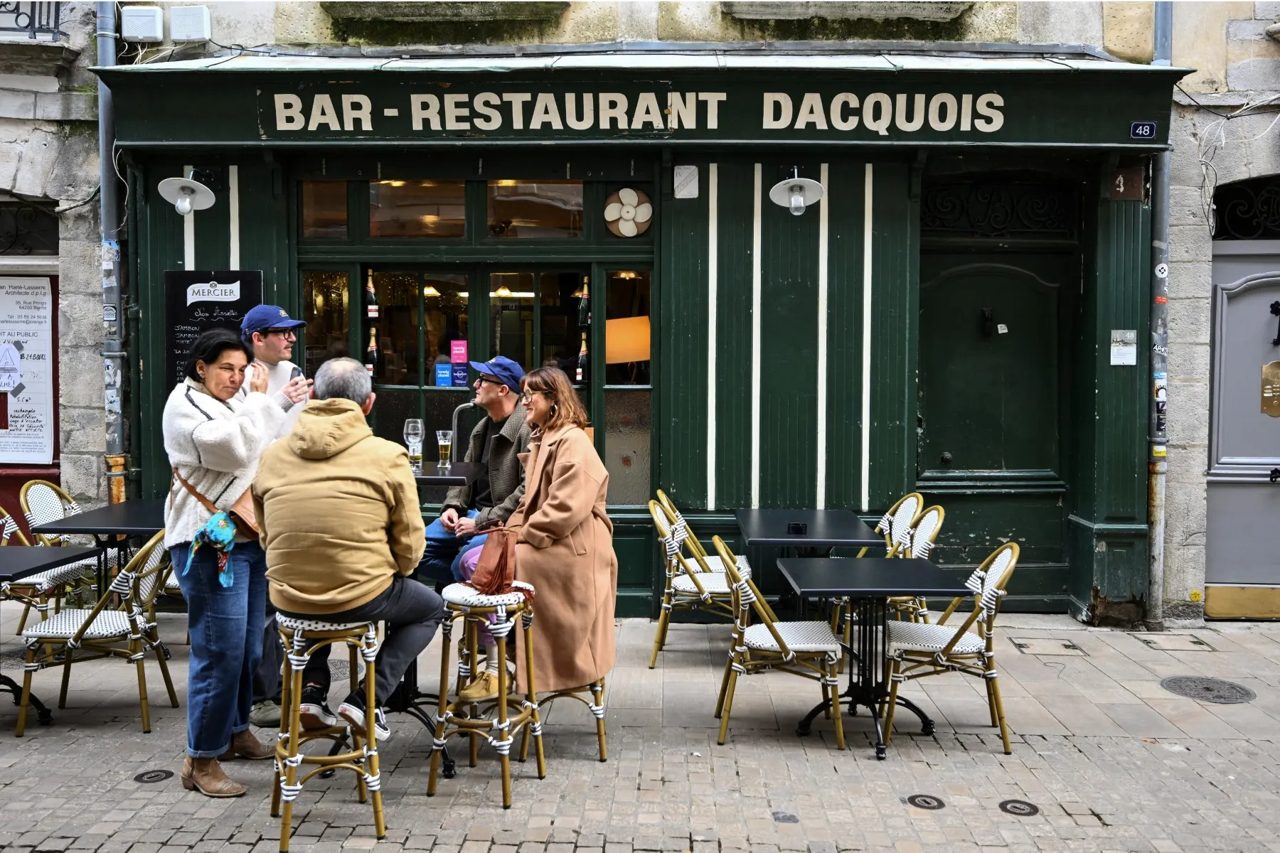
Learning French in the classroom is one thing, launching into conversation with a French person is quite another - French language coach Llyane Stanfield has some tips for taking control so that conversations remain calm and comprehensible.
Learning French in the classroom is one thing, launching into conversation with a French person is quite another - French language coach Llyane Stanfield has some tips for taking control so that conversations remain calm and comprehensible.
One of the most common frustrations for people learning French is that native speakers seem to speak too fast. You may know the vocabulary. You may understand French when it is spoken slowly. You may even follow a lesson or a structured conversation quite well.
You ask a question in a shop, at a café, or during an appointment, and the answer comes back quickly. Words blend together. The rhythm changes. Before you know it, you are no longer listening to the meaning. You are simply trying to keep up.
You don’t feel like you’re in control of the conversation; you’re just trying to stay afloat.
The usual advice is to ask: “ Pouvez-vous parler plus lentement, s’il vous plaît ?” (could you please speak more slowly).
That can help, of course. But anyone who has tried it knows the effect does not always last. The other person may slow down for one sentence, then naturally return to their usual pace.
READ ALSO : 5 tips for having a casual conversation in French
This is not because they are being unkind. People simply speak at the pace that feels natural to them.
So the real question becomes: what can you do when that pace is too fast to follow?
The answer isn't asking people to slow down, because that effect is only temporary. What you really need is the ability to influence the rhythm of the conversation yourself, so that it naturally unfolds at a pace that's comfortable for you.
This is what I call the Godfather Effect: the ability to guide the rhythm of a conversation without directly asking the other person to change how they speak.
In the movie The Godfather, Don Corleone is the slowest and softest speaker in the room, which naturally encourages everyone else to lean in, listen more carefully, and match his pace. The same principle can be applied to French conversations. By slowing your own delivery, you can slow the overall rhythm of the exchange, give yourself more time to find your words, and project a quiet confidence that puts both you and your conversation partner more at ease.
There are 3 key patterns that make up the formula which you can focus on: mirrored pace, sentence economy and strategic rephrasing.
In real conversations, people tend to mirror each other more than they realise. If you speak quickly, answer nervously, or rush to fill every silence, the conversation speeds up. If you slow your own pace, pause before answering, and keep your sentences clear, you can often create a calmer rhythm.
This does not mean speaking artificially slowly or trying to control the other person. It means using your own communication style to make the exchange easier to follow.
For example, instead of rushing to answer immediately, you can pause for a second and begin with a short phrase such as “ Oui, je vois ” (Yes, I see) or “ D’accord, alors …” (OK, so . . .) This gives you time to think and signals that the conversation can slow down slightly.
You can also use shorter sentences. Many learners try to produce long, complete answers because they want to sound fluent. But longer sentences create more pressure. A shorter sentence, delivered clearly, keeps the conversation moving while giving your brain more room to process what comes next.
Another useful habit is to confirm part of what you understood. If someone gives you directions, explains a form, or answers a question too quickly, you do not always need to ask them to repeat everything.
You can say, “ Donc, je dois revenir demain ?” (So, I have to come back tomorrow?) or “ Si j’ai bien compris …” (If I understand correctly).
This naturally slows the exchange because the other person has to respond to your version of the information. You can also ask a more specific question instead of a general one. “Can you repeat?” may lead to the same sentence at the same speed. But “ Vous voulez dire aujourd’hui ou demain ?” (you mean today or tomorrow?) narrows the conversation and gives you something clearer to work with.
The key is to stop thinking of conversation as something that happens to you.
A conversation is an exchange. Even when your French is not perfect, you are still part of shaping it. This is usually where learners underestimate themselves. They believe they need more vocabulary before they can feel comfortable. But sometimes the missing skill is not vocabulary at all. It is learning how to manage the rhythm of the exchange.
This is how you take control of conversations allowing them to unfold at a pace that helps you understand, think, and respond naturally.
French conversations become easier when you stop trying to chase every word and begin to guide the interaction more consciously.
That is the hidden art: not forcing the other person to slow down, but creating the conditions where the conversation naturally becomes easier to follow.
And once you realise you can influence the pace, French stops feeling like something racing ahead of you. It becomes something you can take part in.
Are you in control of your conversations or are you being dragged along in them?
Llyane B Stanfield is a French Conversation Coach - find more information on having confident French conversations on her website here