UK to cut direct African aid by up to 90% by 2029
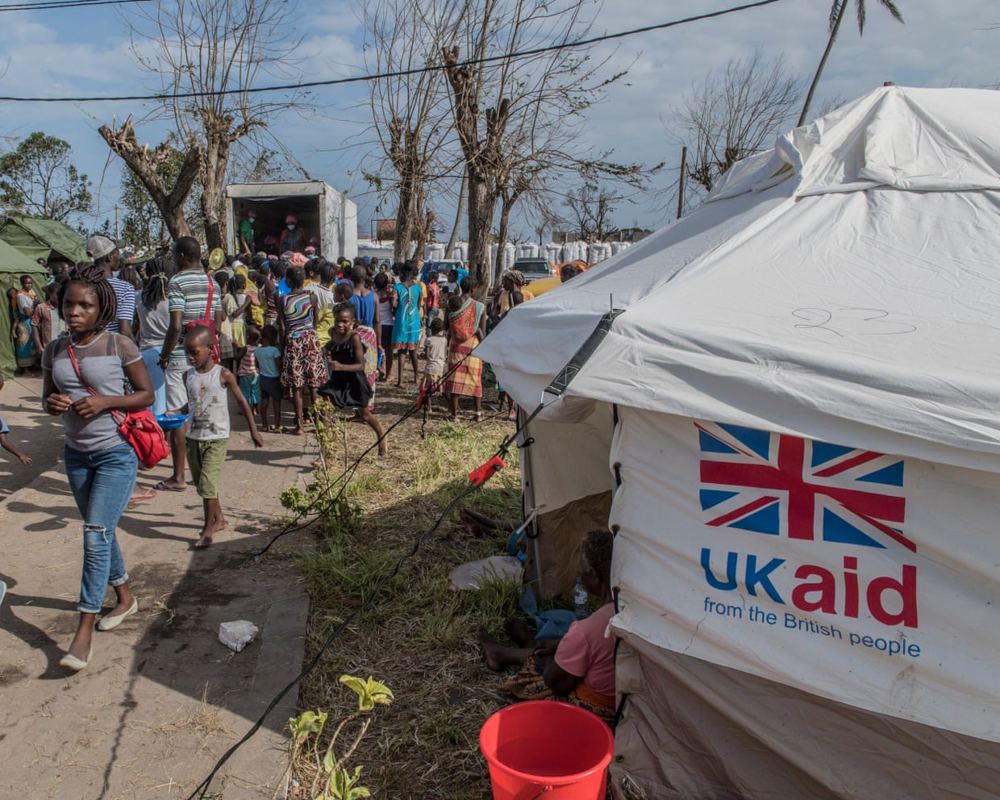
The UK is shifting its foreign aid strategy away from direct African support, risking regional instability and economic spillover just as it prepares to chair the G20.
The UK will reduce bilateral aid to some African nations by as much as 90% by 2029, according to new Foreign Office figures. The department’s annual report details how a broader reduction in the overseas aid budget will hit individual countries over the next three years.
Mozambique and Malawi will bear the steepest reductions at 90%, followed by Rwanda and Sierra Leone at 80%, and Somalia at 49%. Funding for Ethiopia and Uganda is also facing severe slashes.
The Labour government is redirecting these funds towards defence spending and multilateral institutions like the World Bank. Foreign Secretary Yvette Cooper argued this is a more efficient use of constrained resources, stating: “In a range of countries, we will transition away from spending high levels of grant ODA [overseas development assistance], but our ambition and effort will remain high, delivering through modernised partnerships, and making the most of what the UK has to offer.”
For European economies, these cuts carry tangible risks. Severing direct funding to nations vulnerable to climate shocks threatens to fuel the poverty and instability that drive irregular migration and disrupt neighbouring markets. Development Minister Jenny Chapman defended the strategy by pointing to global economic spillover effects: “The world has changed. Crises in one part of the world now affect us all. Just this year, conflict in the Middle East has driven up food and fertiliser costs and the Ebola outbreak that began in the DRC is an urgent reminder why global health security matters.”
Charities warn this pivot will devastate vital infrastructure and humanitarian projects. Lisa Wise of Save the Children said the allocations send a clear “global message about the role the UK wants to play on the international stage”. Romilly Greenhill, chief executive of the Bond development network, said the government is “abandoning communities on the frontlines of conflict and the climate crisis and risks plunging these countries’ populations into poverty and instability.”
This policy shift comes after the resignation of development minister Anneliese Dodds last year over the cuts. The next phase of this strategy will fall to incoming Prime Minister Andy Burnham, with Energy Secretary Ed Miliband widely tipped as the next foreign secretary.
Some MPs are urging Burnham to restore the 0.7% of national income aid target. As the UK assumes the chair of the G20 next year, Greenhill urged the new leadership to use that platform “to champion the global reforms needed to address poverty and inequality among the world’s marginalised communities.”