Hockney’s Pop pals, Warhol’s American republic and Linder punks Blackpool, the week in art
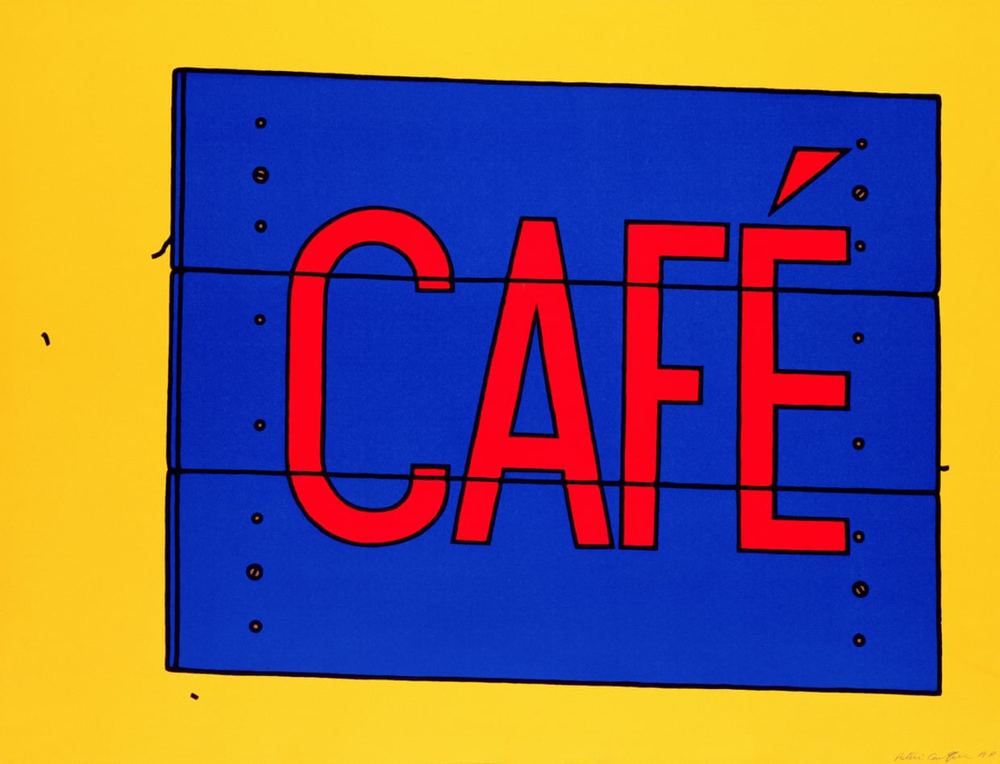
Patrick Caulfield, Claes Oldenburg and Jasper Johns put Hockney in context while Helen Chadwick’s provocations have a wild Welsh setting – all in your weekly dispatch Pop Revisited David Hockney’s brilliantly inventive prints are shown with other graphic masterpieces of the 1960s by Richard Hamilton, Claes Oldenburg, Jasper Johns and more. • Cristea Roberts Gallery, London, from 23 July to 20 August Continue reading...
Patrick Caulfield, Claes Oldenburg and Jasper Johns put Hockney in context while Helen Chadwick’s provocations have a wild Welsh setting, all in your weekly dispatch
Pop Revisited David Hockney’s brilliantly inventive prints are shown with other graphic masterpieces of the 1960s by Richard Hamilton, Claes Oldenburg, Jasper Johns and more. Cristea Roberts Gallery, London, from 23 July to 20 August
Linder From her cover design for the Buzzcocks’ Orgasm Addict to more recent films and textiles, the punk artist brings her vision to Blackpool. Grundy Art Gallery, Blackpool, from 18 July to 3 October
Helen Chadwick Organic interactions between body and nature - such as urinating in snow - were at the heart of this powerful artist’s work and here she is shown in a wild Welsh coastal setting. Oriel y Parc National Park Discovery Centre, Pembrokeshire, until 10 January 2027
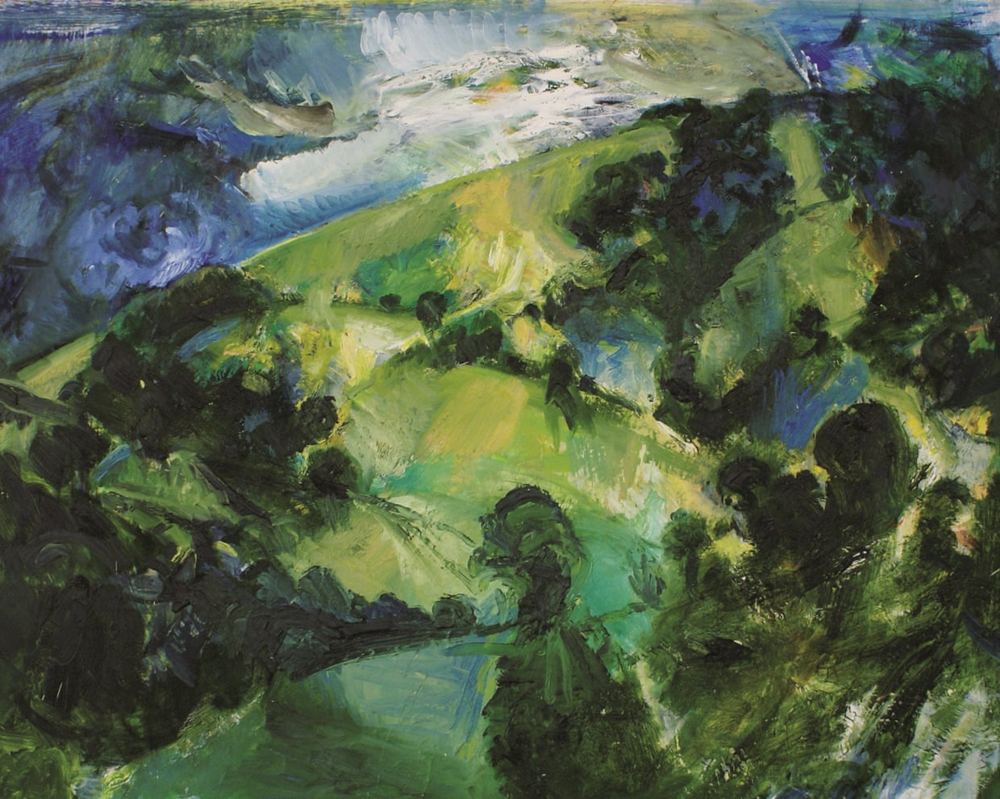
Gillian Ayres Vivid and bright abstract paintings by this British artist who loved to splash around the colours. The Box, Plymouth, until 4 October
Andy Warhol The American republic is 250 years old and Warhol saw into its soul like no other artist. Wolverhampton Art Gallery until 4 October
It appears even street art is susceptible to bouts of World Cup fever. This mural by Black Country artist Dion Kitson depicts the locally raised England footballers Jude Bellingham and Morgan Rogers sharing a portion of orange chips, a spiced and battered Midlands delicacy. Kitson says he created the image to challenge “the dark side of patriotism” he had seen online, but that it is not meant “to be a statement politically, it’s just about feeling good”.
Textile artist Enid Marx was a one-woman war against ‘washed-out William Morris stuff’
Madelon Vriesendorp’s witty works delighted in New York’s sensual skyscrapers
Were Ana Mendieta still alive she’d be at the forefront of art in this century
Fantastical painter Richard Dadd’s vision was unconfined by his 43 years in an asylum
The Bayeux tapestry made its historic trip from France to England at dead of night
Del LaGrace Volcano photographed S&M scenes, leather-clad lesbians and a drag king
Highlights from Arles 2026 photography festival include dogs, diners, UFOs and more
Debjani Banerjee blends British suburbia with ancient Bengal
Amazing posters depict 40 years of protest by Aboriginal artists
US performance artist MPA is to reviving Yoko Ono’s Cut Piece, where an audience scissors away her clothes
Renzo Piano’s glass cube is really the only contender for the Stirling prize
Rome: The Interior of St Peter’s by Giovanni Paolo Panini, before 1742
By the 18th century the days when Italy led Europe in art and science were gone, and artists like Giovanni Paolo Panini found their best market in selling views to aristocratic tourists. Panini painted St Peter’s alone 30 times. But who wouldn’t want to take such a souvenir home? He uses a sharp mastery of perspective to lead the eye deep into this magnificent building, making use of the crowds of elegant visitors to articulate its scale. They are tiny among the colossal arches as they admire the greatest architectural structure of the Renaissance. Begun in the early 1500s when the ambitious, imperial Pope Julius II decided to demolish the ancient basilica housing St Peter’s tomb and raise a new, classically inspired church in its place, it took decades to complete and exhausted and frustrated a series of architects until Michelangelo took over. Although he was already an old man he brought new energy and determination to this grand design, and his feel for the sublime is stamped on it indelibly. Panini captures this immense wonder in a painting whose very precision conveys Michelangelo’s holy terror.