Scottish cemetery to correct grave of WW1's final casualty
Heritage organisation Scapa 100 is replacing a tombstone in the Orkney Islands to correct the date of death for Karl Eversberg, a German sailor murdered days after the armistice, restoring historical accuracy to a major European diving site.
The Scapa 100 organisation is working to replace the headstone of Karl Eversberg at the Lyness Royal Naval Cemetery in the Orkney Islands. His current marker bears the date of the 1919 scuttling of the German fleet, obscuring the fact that his death actually occurred days later. This error has long hidden his status as the final casualty of the First World War.
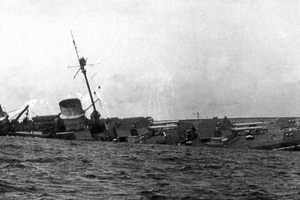
Eversberg was a sailor aboard the SMS Frankfurt, one of 74 German vessels interned at Scapa Flow following the armistice. Facing the threat of Allied confiscation, fleet commander Admiral Ludwig Von Reuter ordered a coordinated scuttling on 21 June 1919. While the British guard fleet was away on training, German crews opened portholes and loosened watertight doors, sending 52 ships to the bottom.
This destruction of over 400,000 tons of shipping remains the largest loss of vessels in a single day. Eight German sailors were killed and 16 injured during the chaos as British forces opened fire on escaping lifeboats. Eversberg, however, safely evacuated the Frankfurt before it was beached and later salvaged by the British.
Taken as a prisoner of war aboard the HMS Resolution, Eversberg became a target for revenge. Admiralty paperwork from the time noted: "There is evidence [James Woolley] had told some of his messmates that he intended to kill a German, having lost relatives himself during the war." The note concludes: "Eversberg was shot by Woolley and the German POW later died of his wounds."
Woolley was later tried for murder but was ultimately found not guilty. Because his death occurred after the sailors shot during the scuttling itself, Eversberg holds the tragic distinction of being the war's last casualty. He was buried at Lyness alongside the others, but his tombstone was incorrectly engraved with the date of the fleet's sinking.
Researchers with Scapa 100 discovered documents in the 2010s that proved the timeline discrepancy and are now replacing the stone. Correcting the record matters for a site that has become a globally renowned scuba diving destination. The remaining wrecks of the German High Seas Fleet draw international visitors, making the accurate commemoration of these final deaths an important part of managing Europe's physical wartime heritage.