Kyiv fires drone chief, risking EU defence supply chain
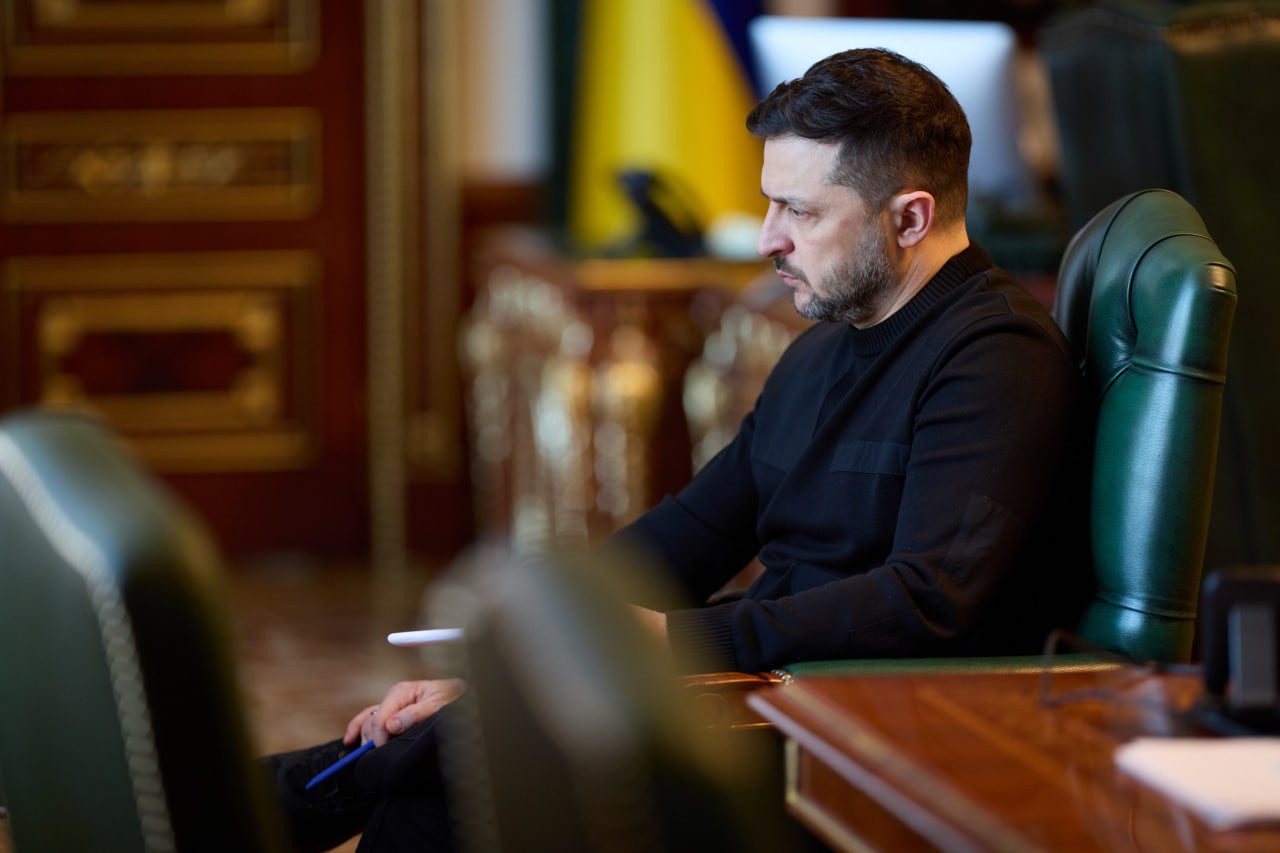
Ukraine's dismissal of the minister who anchored its drone warfare and EU defence supply chains threatens to derail the procurement reforms European arms firms depend on.
Ukraine has dismissed Mykhailo Fedorov as defence minister, removing the architect of its military drone procurement just as he finalised key integration agreements with the European defence industry. President Volodymyr Zelensky replaced him with Yevhen Khmara, the acting SBU chief who ran the deep-strike campaign.
A broken link to European industry
For European defence contractors, the timing is alarming. The day before his firing, Fedorov stood alongside the European Commission and the European Defence Agency to name the first six companies—from Estonia, Latvia, Poland, Germany, Finland and France—selected under the BraveTech EU programme. These firms will test their systems on the Ukrainian battlefield, a critical step for eastern-flank armies rebuilding their own drone and air-defence programmes around Kyiv's proven models. Fedorov had just signed the agreements opening EU funding and joint production to Ukrainian firms, acting as the central counterpart for this industrial integration.
The cost of procurement reform
Fedorov's removal stems from internal conflicts rather than battlefield failures. He had openly clashed with commander-in-chief Oleksandr Syrskyi, accusing him of blocking initiatives and making decisions based on loyalty rather than data. "He figured out how to split the country," Fedorov said of Syrskyi. However, his reforms also made him domestic enemies. By moving procurement to competitive tenders and polygraphing contractors, Fedorov blocked attempts to steer lucrative contracts to favoured firms, saving €87m on a single artillery contract. Zelensky reportedly offered him an advisory role, which he refused.
The speed advantage at risk
Ukraine's military edge has always been its ability to field and replace methods faster than Russia can adapt. That tempo is now under threat. Russia is copying the model, building a 100,000-strong drone force with instructors trained in China. The risk of removing the official who aligned procurement and approval cycles is that the reform process slows down precisely when the enemy is catching up. The immediate fallout included the resignation of Colonel Pavlo Yelizarov, the deputy air force commander brought in to rebuild short-range air defence. He called the dismissal "a great evil for the country's defence capability."
Khmara brings deep-strike credentials, but his appointment leaves a fundamental question for Europe's defence sector: whether the transparent tender systems and procurement discipline that made Ukraine a viable partner will survive without the man who built them. Thousands of protesters in Kyiv, Lviv, Odesa and Dnipro suggest the stakes are already understood at home.