German coalition loses parliamentary leader in Spahn surrogacy row
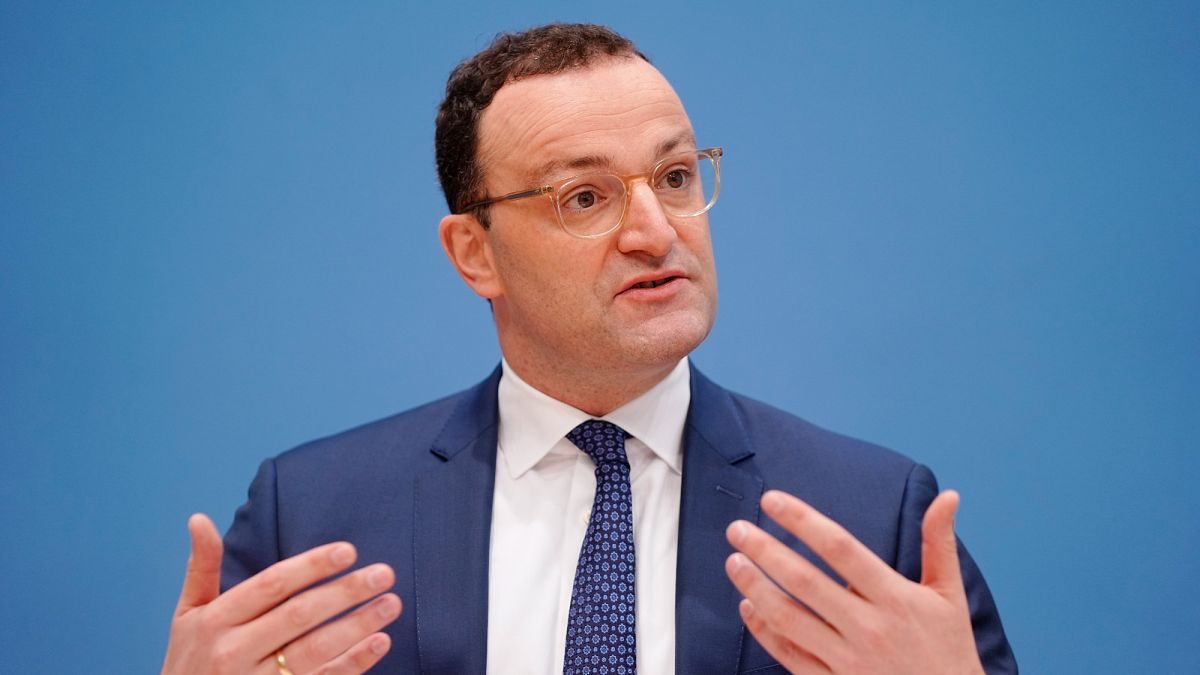
The resignation of Jens Spahn as Germany's top coalition lawmaker over a surrogacy controversy creates a leadership vacuum for Chancellor Friedrich Merz ahead of key state elections.
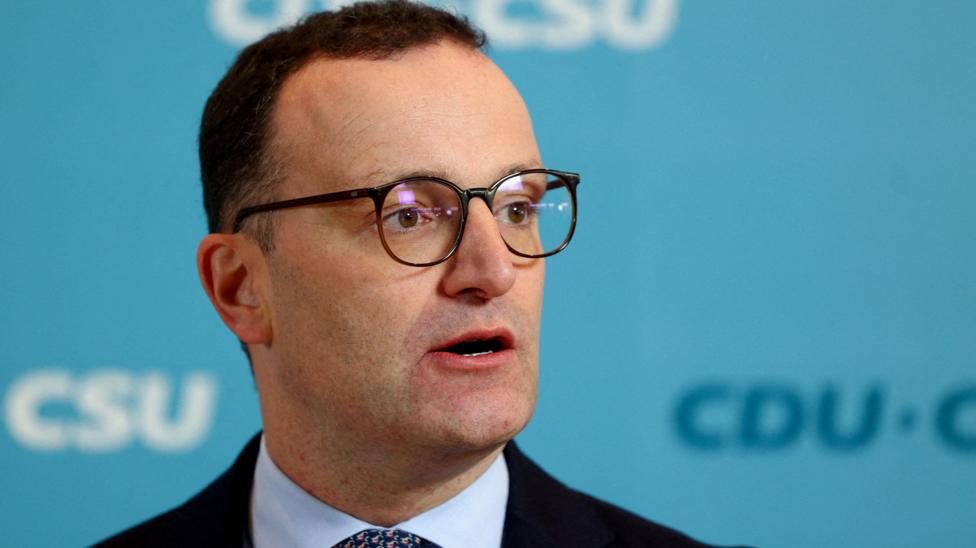
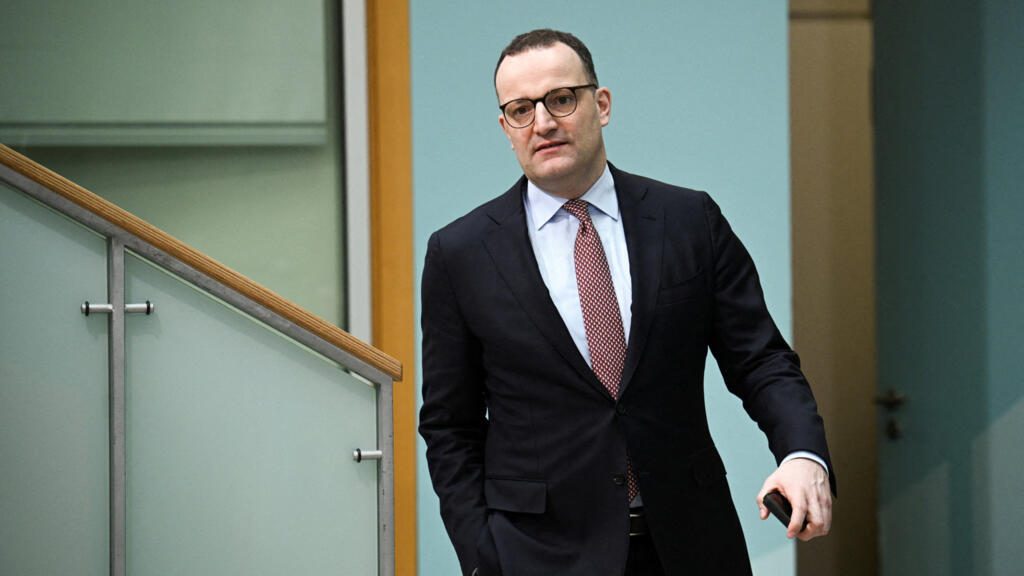
Jens Spahn, the head of the CDU/CSU parliamentary group in the Bundestag, has stepped down following intense scrutiny of his decision to father a child through a surrogate mother in the United States. The departure strips Chancellor Friedrich Merz’s governing coalition of its top legislative manager just weeks before a critical state election in Saxony-Anhalt.
Spahn and his husband Daniel Funke announced the birth of their child on Wednesday. Surrogacy is banned in Germany, and Spahn’s own party has long opposed its legalisation, creating an immediate conflict between his private actions and his political platform.
Merz moved quickly to force the issue. After consulting with several state party leaders on Saturday morning, the chancellor concluded that Spahn had to go. Merz described the resignation as "the right one" and "unavoidable," adding that "credibility is the highest asset in politics."
The internal backlash had been building for days. The CDU branch in Brilon, Merz’s hometown, published an open letter arguing that bypassing German law to secure a surrogate child sent a "disastrous signal." Senior party figure Wolfgang Bosbach had also publicly urged Spahn to step down to avoid a prolonged debate over his fitness for office.
The controversy also drew sharp condemnation from Germany’s major churches. Catholic bishop Stefan Oster of Passau called the situation a "real scandal," while Protestant regional bishop Ernst-Wilhelm Gohl accused Spahn of "double standards."
In his resignation letter, Spahn acknowledged that the "balancing act between my private decision to have a child via surrogacy and the understandable expectation of me as leader of our group has become greater than I had anticipated." He stated that his "personal happiness, starting a family with my husband and becoming a father, is not compatible with my political office."
Spahn’s exit creates an immediate vacancy at the highest level of the German parliament's legislative machinery. He specifically praised SPD group leader Matthias Miersch for providing a "stabilising anchor for the coalition," a dynamic that will now need to be recalibrated under new CDU/CSU leadership.
The parliamentary group is not scheduled to hold its first regular post-summer meeting until 8 September. That gathering comes just two days after the key state election in Saxony-Anhalt, leaving Merz to manage the legislative agenda without a permanent group chairman during a sensitive political period.