Iranian rial hits record low as naval blockade and US strikes bite
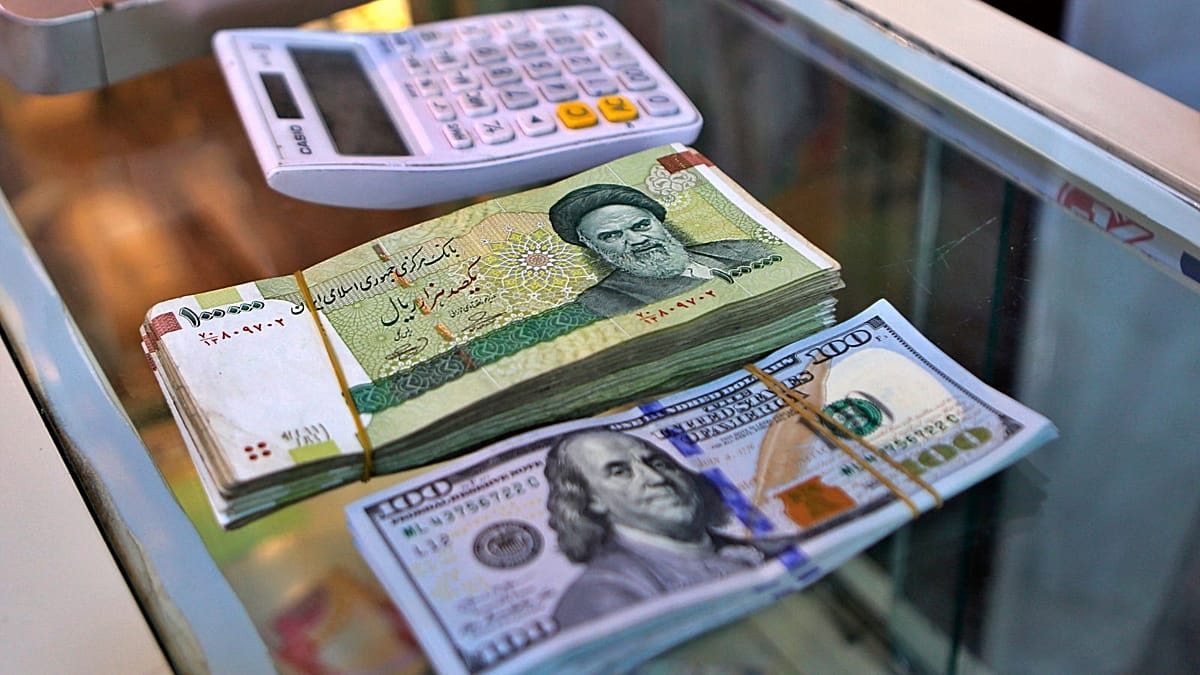
The Iranian rial has fallen to a record low against the euro and dollar following a new US naval blockade and air strikes, deepening an inflation crisis that threatens to further destabilise the Strait of Hormuz.
The US dollar surged to a record high of 1.941 million rials on Tehran’s free market on Saturday, while the euro climbed to 2.22 million rials, as a fresh wave of military escalation triggered a sharp sell-off in the Iranian currency.
The immediate catalyst for the latest depreciation is a new US naval blockade combined with air strikes on Iran's southern regions. Washington stated these operations are designed to degrade Iran's military capabilities and prevent threats to shipping through the Strait of Hormuz.
For European policymakers and markets, the strategic priority is the stability of this vital energy chokepoint. While direct Eurozone trade with Iran is heavily restricted, the euro's simultaneous rise to 2.22 million rials illustrates how the conflict's financial shockwaves are reverberating across regional currencies.
Inside Iran, the currency collapse is accelerating a severe domestic crisis. The rial has lost roughly 43.7 percent of its value against the dollar since the start of the year, when it traded at 1.35 million. This rapid depreciation is feeding a vicious cycle where a weaker currency drives up import costs, which in turn fuels inflation and pushes consumer prices even higher.
Official data shows annual consumer price inflation reached 88.6 percent last month, the highest level since the Second World War. This represents a steep acceleration from 52.6 percent in December 2025 and 68 percent in February 2026. The government has estimated wartime damage at $300 billion, a burden that is rapidly eroding household purchasing power.
The currency has whipsawed throughout the year, reacting to every diplomatic and military development. It initially spiked to 1.72 million rials after US and Israeli strikes in late February before recovering as commercial activity temporarily paused. A similar pattern followed US threats in April, a subsequent ceasefire, and a brief memorandum of understanding between Tehran and Washington.
Those diplomatic interventions have now been entirely erased by renewed tensions. With the latest blockade and southern strikes in effect, expectations are mounting that the rial's downward spiral and the accompanying inflation surge will only intensify.