US EV fast-charging network doubles, reliability hits mid-90s
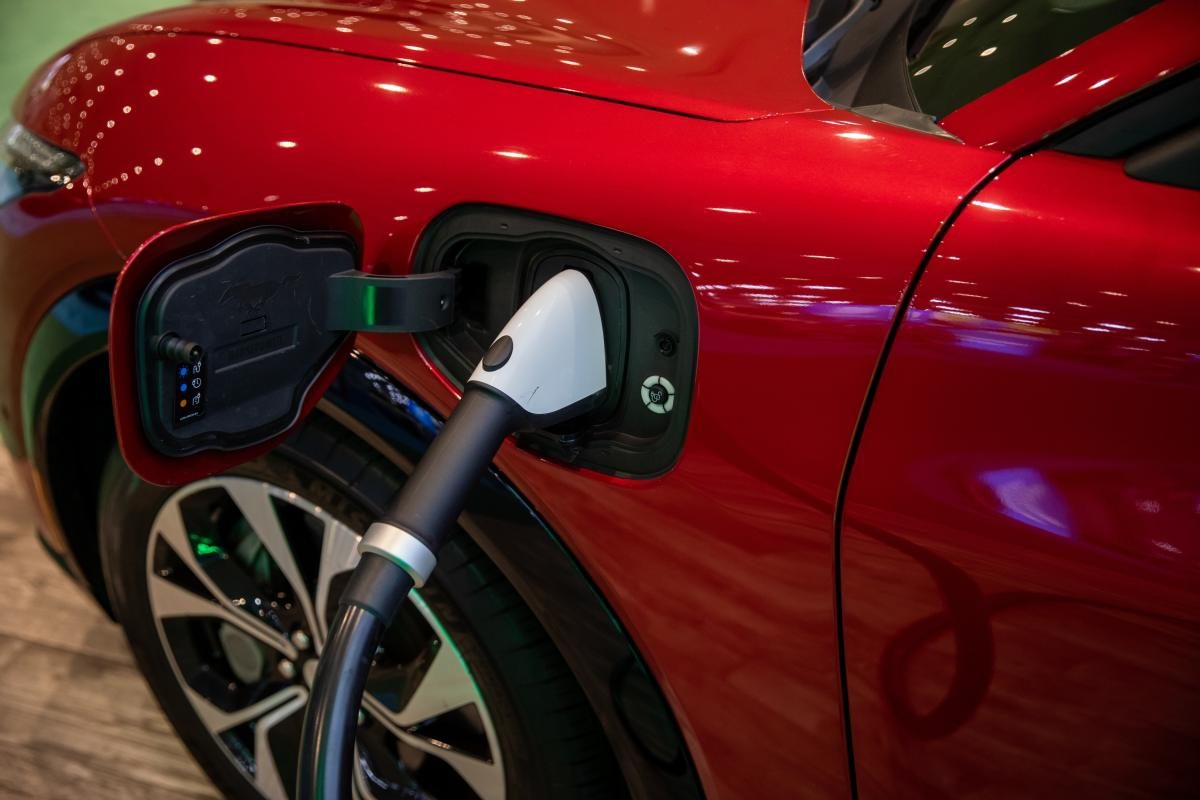
A recent road trip in an EV revealed just how much faster and more reliable DC Fast charging has become in the U.S.
The number of public fast chargers in the United States has more than doubled since 2023, while reliability scores have surged into the mid-90s. This rapid improvement suggests the US market is finally overcoming the charging anxiety that has long stifled electric vehicle sales.
In July 2023, the US had roughly 32,000 DC fast chargers, many restricted to Tesla drivers. Today, widespread access to Tesla’s network and expansion by rivals have pushed that figure past 64,000. According to Paren’s reliability index, which measures successful sessions and station downtime, network dependability has climbed nearly 10 points from 85 last year.
For European carmakers like Audi, this is a critical development. Their sales potential in the US was previously capped by a fragmented and unreliable public charging experience. A functional, open network levels the playing field against Tesla, which historically leveraged its proprietary chargers as a major selling point.
The turnaround also carries lessons for European infrastructure investors. The US experience proves that opening proprietary networks to third-party vehicles drives competition and forces rapid improvements. As Tesla’s dominance is challenged by operators like Rivian, the pressure to offer seamless credit card payments and high-speed 300-kilowatt hardware has intensified.
Just over half of prospective EV buyers still cite public charging as a key concern, according to an AAA survey. However, real-world data suggests these fears are becoming outdated, as a recent 600-mile road trip in a 220-mile range Audi e-tron required only three seamless 20-minute stops. This contrasts sharply with a shorter 350-mile trip in 2023 that required three customer service calls due to broken stalls.
Gaps remain, and individual chargers still break. But the trajectory in the US is clear: scale and competition are solving the infrastructure bottleneck. For Europe, the US recovery offers a timely case study in how quickly an EV market can mature once hardware and software align.