Homeless cleared from US World Cup host cities to secure image
Authorities in US World Cup host cities have systematically removed homeless people from public view, exposing the harsh social costs of hosting mega-events in a manner that dwarfs recent European controversies.
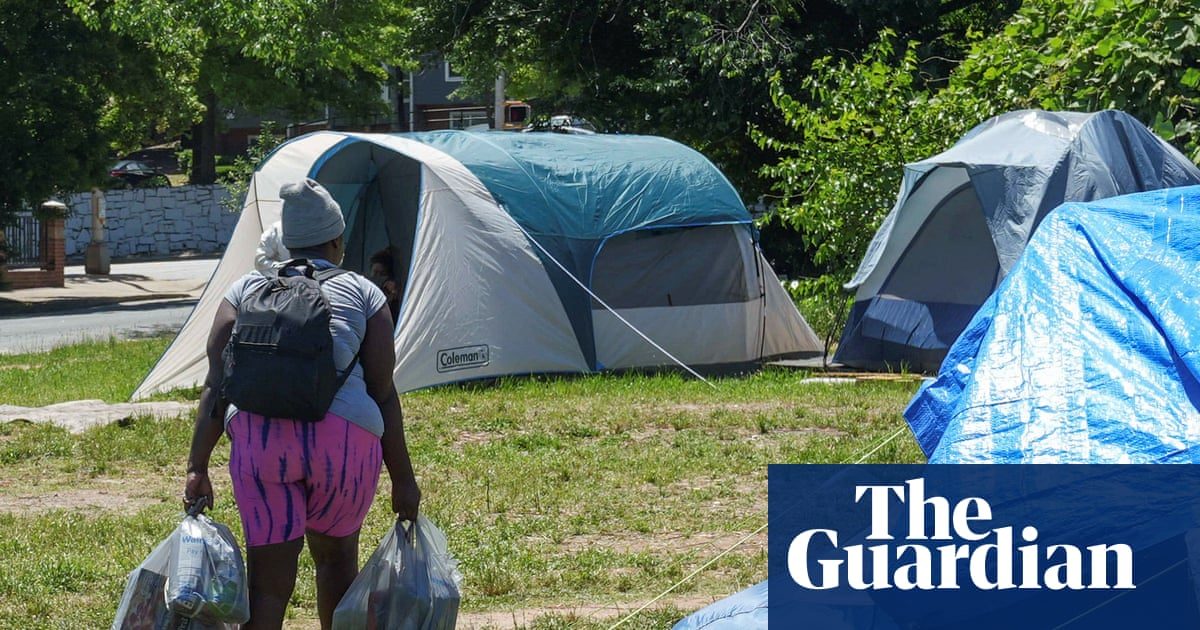
City workers in Atlanta entered Freedom Park without warning on the weekend before the final, removing tents, personal identification, and medication from unhoused residents. A city official defended the sweep as "routine park maintenance", arguing that because the park was not an official encampment, standard process rules did not apply. The clearance, located less than a mile from a World Cup fan-watch area, left the space entirely empty ahead of England's semi-final against Argentina.
Atlanta is not an isolated case, as the displacement of homeless populations has become a defining feature of the tournament across the US, Canada, and Mexico. The US has at least 770,000 unhoused people, and lawmakers have passed hundreds of bills in the past two years criminalising sleeping outside. The World Cup has accelerated this enforcement, with Seattle building only 50 of a promised 500 homes, and Dallas clearing a 200-tent encampment near city hall.
Mayor Andre Dickens explicitly tied the efforts to the tournament, stating last year that officials wanted to ensure unsheltered individuals "don’t come anywhere near downtown". This stance aligns with federal policy, as Vice-President JD Vance told a crowd last August that people should not have to cross the street to avoid a "crazy person yelling at your family". Atlanta’s Downtown Rising programme claims to have housed 500 people, but the reality of enforcement has proved lethal.
In January last year, council workers conducting a street clearance in the historic Sweet Auburn neighbourhood crushed Cornelius Taylor to death with a five-tonne bulldozer as he slept in his tent. His fiancée later discovered blood and body parts among his belongings. Despite promises of new protocols, care workers near Freedom Park report that during the World Cup, vulnerable people simply vanished without clear explanations of where they were taken or whether they had any choice in the matter.
Those displaced describe being transported far from city centres. One homeless man, Sirius, said he was dropped in the middle of the night at a facility he likened to a Fema camp, stating: "They’re trying to make it look good for tourists." Another resident, Drayvon Clark, said the community felt pushed out and treated "less than human" for the sake of profit.
For European observers, the scale of these clearances evokes the 2024 Paris Olympics, where authorities bussed homeless people out of the city centre. However, the American approach carries a distinct severity, rooted in the recent wave of criminalisation and the involvement of heavy machinery. The contrast is particularly stark given FIFA president Gianni Infantino’s presence at high-profile diplomatic events while host cities aggressively police their most vulnerable residents.
The disconnect between FIFA’s stated mission of global unity and the reality on the ground has not been lost on those displaced. "They always bring a big event that everybody’s blinded by," Sirius said. "It’s a distraction. They treat us like trash and trampled over us."