Chinese AI model Kimi K3 spooks US tech stocks
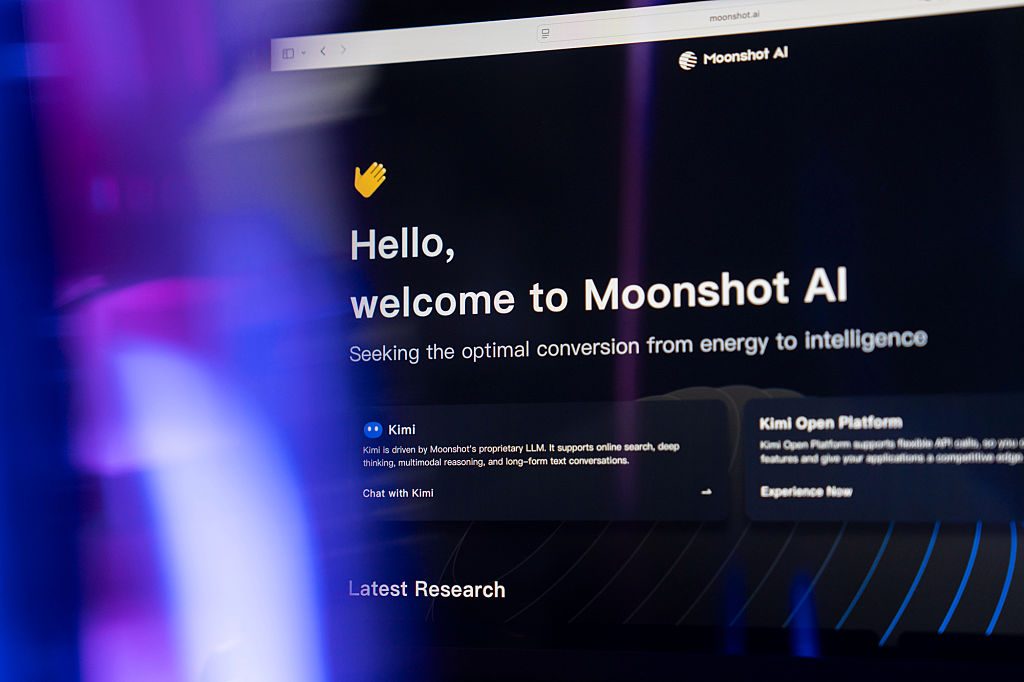
The release of a highly capable open-source AI model by China's Moonshot AI triggered a chip stock sell-off and reignited transatlantic regulatory debates that will shape Europe's access to next-generation technology.
Chinese startup Moonshot AI released Kimi K3 this week, an open-source model that independent benchmarks suggest matches leading western systems. The launch, timed alongside President Xi Jinping’s address at the World AI Conference in Shanghai, immediately hit US markets. The Nasdaq fell roughly 1% on Friday as investors dumped semiconductor stocks, including Nvidia.
Moonshot conceded that Kimi still trails top proprietary models like Claude Fable 5 and GPT 5.6 Sol. However, analyses from Arena.ai and Vals AI confirm it operates at a frontier level, echoing the market shock caused by DeepSeek’s R1 release in January. For European investors, the immediate takeaway is that the geopolitical premium attached to western AI hardware remains fragile.
The release has exposed deep anxiety in Washington about its competitive edge, amplified by the ongoing US-China tariff war. David Sacks, the former US AI czar, argued the US is "tying itself in knots" by banning new data centers and piling on state regulations. For European policymakers, this serves as a stark warning that excessive bureaucracy risks ceding the AI sector to Beijing just as major companies prepare to go public.
Allegations of intellectual property theft have also resurfaced, carrying implications for Europe's own open-source champions. Former Uber CEO Travis Kalanick accused Chinese developers of "distilling off" American models, though he acknowledged US companies have similarly trained on Chinese outputs like Kimi. This mutual dependence complicates the enforcement landscape for Brussels, which is attempting to implement its AI Act without isolating itself from global advances.
More pressing for European businesses is the emerging US strategy to restrict Chinese open-source software through bureaucratic friction rather than outright bans. OpenAI’s Dean Ball predicted the Trump administration will direct agencies to issue warnings designed to create "fear, uncertainty, and doubt" around Chinese models. "You just create enough regulatory risk that every regulated enterprise backs off," Ball said.
Such a fragmented regulatory environment would force European banks and corporations to navigate conflicting transatlantic rules. While Ball framed the rise of open-weight models as a path to "AI communism," others pushed back. Shakeel Hashim of Transformer argued the panic is overblown, noting Kimi likely lacks dangerous cyber capabilities and that Beijing will eventually face the same incentives to restrict its own open-source models.